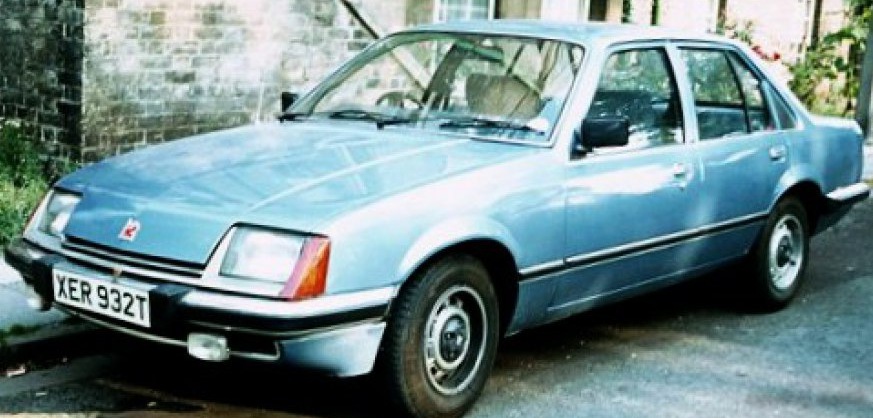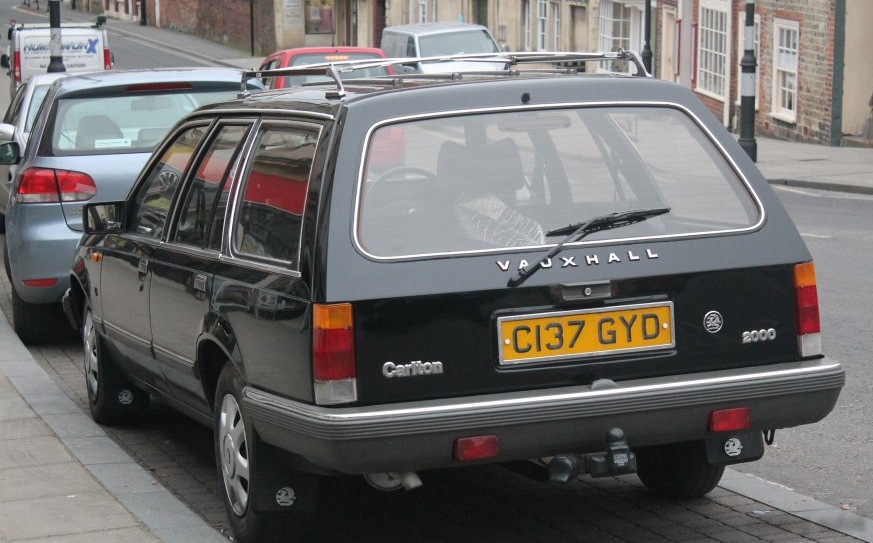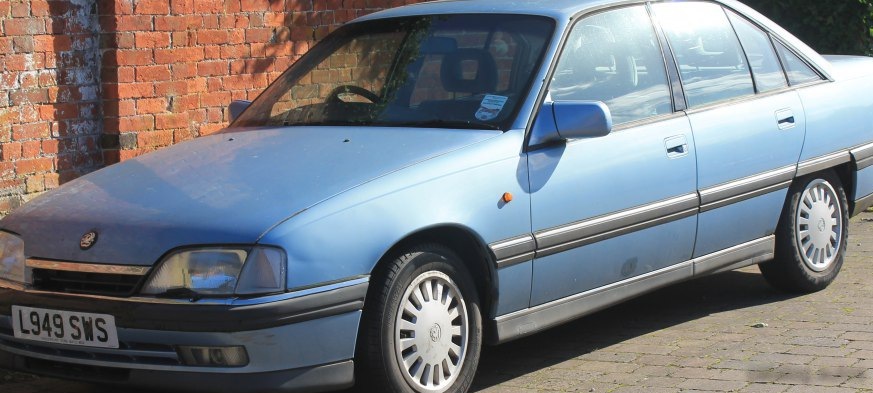
The Vauxhall Carlton Mk III 3.0 3000 CAT, produced for a limited run in 1987, represented a significant offering within the third generation of the Carlton (A1986-1992). Positioned as a premium executive saloon, this variant aimed to provide a balance of performance and refinement for the discerning UK buyer. The “CAT” designation signified the inclusion of a catalytic converter, reflecting growing environmental concerns and regulations at the time. This model year was a transitional one, with the Mk III undergoing refinements throughout its production run, and the 3.0 CAT occupied a middle ground in the lineup, offering more power than the base models but falling short of the flagship 2.8 and later 3.0 GSi variants.
Technical Specifications
| Brand | Vauxhall |
| Model | Carlton Mk III |
| Type (Engine) | 3.0 3000 CAT (156 Hp) |
| Start of production | 1987 |
| End of production | 1987 |
| Powertrain Architecture | Internal Combustion engine |
| Body type | Sedan |
| Seats | 5 |
| Doors | 4 |
| Fuel Type | Petrol (Gasoline) |
| Power | 156 Hp |
| Engine Model/Code | C30LE |
| Engine aspiration | Naturally aspirated engine |
| Engine oil capacity | 5.5 l (5.81 US qt | 4.84 UK qt) |
| Coolant capacity | 10.2 l (10.78 US qt | 8.97 UK qt) |
| Trunk (boot) space – minimum | 520 l (18.36 cu. ft.) |
| Trunk (boot) space – maximum | 870 l (30.72 cu. ft.) |
| Fuel tank capacity | 75 l (19.81 US gal | 16.5 UK gal) |
| Length | 4768 mm (187.72 in.) |
| Width | 1812 mm (71.34 in.) |
| Width including mirrors | 1933 mm (76.1 in.) |
| Height | 1435 mm (56.5 in.) |
| Wheelbase | 2730 mm (107.48 in.) |
| Drivetrain | Rear wheel drive |
Powertrain & Engine Architecture
The heart of the Carlton 3.0 CAT was the C30LE engine, a 2,998 cc (183.0 cu in) straight-six cylinder petrol engine. This engine was a development of the earlier ‘E’ series Vauxhall engines, known for their smoothness and durability. The C30LE featured a single overhead camshaft (SOHC) design with two valves per cylinder. Fuel delivery was managed by Bosch Motronic fuel injection, a sophisticated system for its time that optimized fuel efficiency and emissions. The catalytic converter, integral to the “CAT” designation, reduced harmful exhaust emissions, complying with increasingly stringent European regulations. The engine produced 156 horsepower (117 kW) and approximately 230 lb-ft of torque. While not a high-revving engine, it delivered a broad torque curve, making it well-suited for relaxed cruising and effortless overtaking. The transmission paired with the C30LE was a four-speed automatic gearbox, offering smooth shifts but sacrificing some of the responsiveness of a manual transmission.
Driving Characteristics
The Carlton 3.0 CAT, with its automatic transmission, provided a comfortable and refined driving experience. Acceleration was respectable, with a 0-60 mph time of around 9.5 seconds, but it wasn’t designed for outright performance. The automatic gearbox, while smooth, did result in some power loss compared to the available manual transmission. Gear ratios were geared towards comfortable cruising, with a focus on maximizing fuel efficiency rather than providing aggressive acceleration. The rear-wheel-drive configuration offered balanced handling, although the Carlton’s relatively large size and weight meant it wasn’t a particularly nimble car. Compared to the more powerful 2.8 and 3.0 GSi models, the 3.0 CAT felt less urgent, but it offered a more relaxed and refined driving experience, appealing to drivers prioritizing comfort over outright performance.
Equipment & Trim Levels
The Carlton 3.0 CAT was positioned as a well-equipped executive saloon. Standard features typically included central locking, electric windows, power-assisted steering, and an adjustable steering column. Interior upholstery was typically cloth, although leather options were available. The dashboard layout was functional and straightforward, with clear instrumentation. Optional extras included a sunroof, upgraded sound system, and climate control. The trim level generally fell between the base Carlton models and the more luxurious GSi variants. It aimed to provide a good balance of features and value for money.
Chassis & Braking
The Carlton Mk III utilized a MacPherson strut front suspension and a live axle rear suspension. The rear axle was equipped with trailing arms and a Panhard rod to control lateral movement. Braking was initially specified with front disc brakes and rear drum brakes, although later models often featured all-round disc brakes. The braking system was power-assisted, providing adequate stopping power for a car of its size and weight. Stabilizer bars were fitted to both the front and rear axles to reduce body roll during cornering. The suspension setup prioritized ride comfort over sporty handling, providing a smooth and compliant ride on most road surfaces.
Market Reception & Comparison
The Vauxhall Carlton 3.0 CAT was generally well-received by automotive critics. It was praised for its comfortable ride, refined engine, and spacious interior. However, some critics noted that the automatic transmission dulled the driving experience and that the car’s size and weight made it less agile than some of its competitors. Compared to other trims in the Carlton lineup, the 3.0 CAT offered a good balance of performance and fuel economy. It was more economical than the 2.8 and 3.0 GSi models, but it offered more power than the base 2.0 and 2.2-liter variants. Reliability was generally good, although the complexity of the fuel injection system and catalytic converter could potentially lead to higher maintenance costs.
Legacy
The Vauxhall Carlton Mk III 3.0 CAT, while not the most iconic variant of the Carlton, remains a respected and sought-after classic car. The C30LE engine is known for its durability and relatively straightforward maintenance. However, finding parts can be challenging due to the car’s age and limited production numbers. Today, well-maintained examples of the 3.0 CAT are prized by enthusiasts for their comfortable ride, refined engine, and classic styling. The car represents a bygone era of British motoring, offering a glimpse into the executive saloons of the late 1980s. Its status in the used car market is steadily increasing, with prices reflecting its rarity and desirability among collectors.