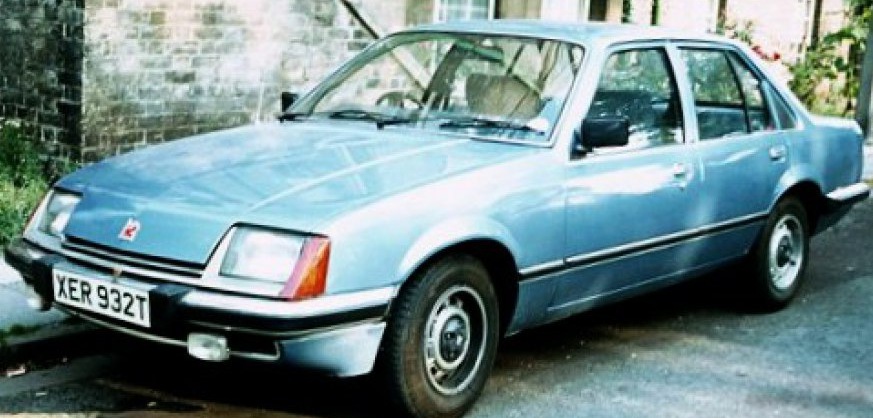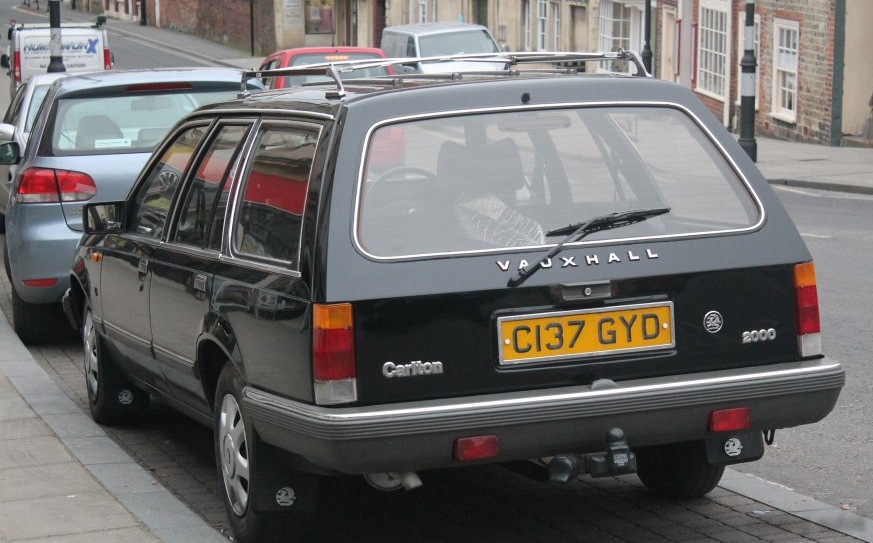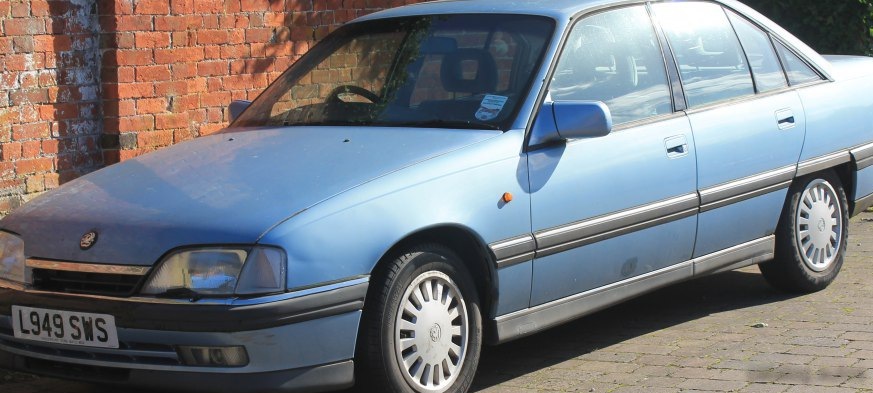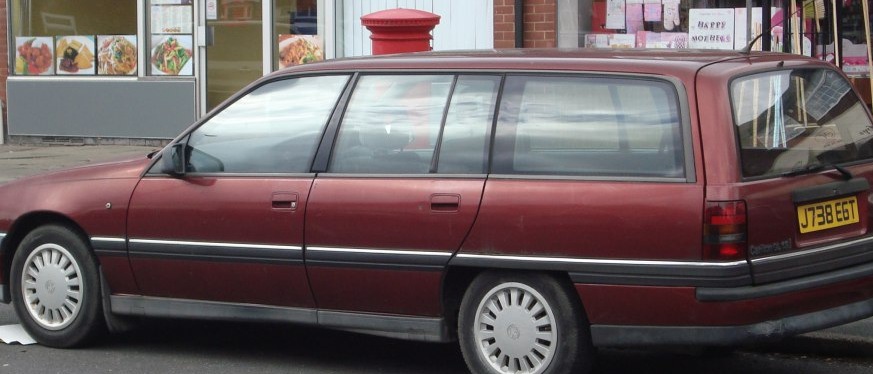
The Vauxhall Carlton Mk III Estate 1.8 N CAT, produced between 1986 and 1987, represented the entry-level powertrain option for the third generation of the Carlton estate. Positioned as a practical and affordable family vehicle, it offered a spacious interior and the utility of a station wagon body style. This variant utilized the 18NV engine, a naturally aspirated 1.8-liter petrol engine, paired exclusively with a three-speed automatic transmission. It was a key offering in the UK market, catering to buyers prioritizing comfort and convenience over outright performance. The Carlton Mk III, built on the GM X-body platform, aimed to provide a more modern and refined experience compared to its predecessors.
Technical Specifications
| Brand | Vauxhall |
| Model | Carlton Mk III Estate |
| Type (Engine) | 1.8 N CAT (82 Hp) |
| Start of Production | 1986 |
| End of Production | 1987 |
| Powertrain Architecture | Internal Combustion Engine |
| Body Type | Station Wagon (Estate) |
| Seats | 5 |
| Doors | 5 |
| Fuel Type | Petrol (Gasoline) |
| Power | 82 Hp |
| Engine Model/Code | 18NV |
| Engine Aspiration | Naturally Aspirated |
| Engine Oil Capacity | 4.5 l (4.76 US qt | 3.96 UK qt) |
| Coolant Capacity | 6.4 l (6.76 US qt | 5.63 UK qt) |
| Drivetrain | Rear Wheel Drive |
Powertrain & Engine Architecture
The heart of the Carlton Mk III Estate 1.8 N CAT was the 18NV engine, a 1799cc inline-four cylinder petrol engine. This engine was a relatively simple design, featuring a single overhead camshaft (SOHC) operating two valves per cylinder. Fuel delivery was managed by a Bosch Jetronic fuel injection system, a step up from the carburetors used in earlier Vauxhall models, improving fuel efficiency and reducing emissions. The ‘N CAT’ designation indicated the presence of a catalytic converter, mandated by increasingly stringent emissions regulations in Europe. The 18NV produced 82 horsepower at approximately 5200 rpm and 128 lb-ft of torque at 3200 rpm. This engine was known for its durability, but not for its performance. It was designed for smooth, reliable operation rather than spirited driving.
The engine was paired with a three-speed automatic transmission, a GM-sourced unit known as the TH700R4 (though often referred to simply as a three-speed automatic in contemporary marketing materials). This transmission was chosen for its ease of use and comfort, appealing to the target demographic of family buyers. The automatic transmission featured a torque converter, providing smooth acceleration from a standstill. However, the three-speed configuration meant that the engine often operated at higher revs during highway cruising, impacting fuel economy and noise levels.
Driving Characteristics
The 1.8L automatic Carlton Estate offered a comfortable, if uninspiring, driving experience. Acceleration was modest, with a 0-60 mph time estimated around 13-14 seconds. The three-speed automatic transmission, while providing smooth shifts, lacked the responsiveness of a manual gearbox or a more modern automatic with additional gears. The gear ratios were optimized for fuel economy and drivability in urban environments, rather than for performance. Overtaking maneuvers required careful planning, and the engine could feel strained when climbing hills or carrying a full load. Compared to the more powerful 2.0L and 2.8L (six-cylinder) Carlton variants, the 1.8L automatic was significantly slower and less refined. However, it offered a more relaxed driving experience, particularly in city traffic.
Equipment & Trim Levels
The 1.8 N CAT Estate typically represented the base trim level for the Carlton Estate range. Standard equipment included central locking, electric front windows, and a basic stereo system. Interior upholstery was typically cloth, available in a range of muted colors. The dashboard featured a straightforward layout with analog gauges for speed, fuel level, coolant temperature, and battery voltage. Optional extras included a sunroof, upgraded stereo systems, and metallic paint finishes. Air conditioning was often an optional extra, adding to the vehicle’s cost. The trim level was designed to provide essential comfort and convenience features without the added expense of more luxurious options.
Chassis & Braking
The Carlton Mk III Estate featured independent suspension at the front, utilizing MacPherson struts and coil springs. The rear suspension employed a live axle with trailing arms and coil springs. This setup provided a reasonable balance between ride comfort and handling. Braking was initially specified with disc brakes at the front and drum brakes at the rear. Later models sometimes featured disc brakes all around, depending on the specific trim level and market. The steering was power-assisted, making it relatively easy to maneuver, especially at low speeds. Stabilizer bars were fitted to both the front and rear axles to reduce body roll during cornering, though the Carlton Estate was not designed to be a sporty vehicle.
Market Reception & Comparison
The Vauxhall Carlton Mk III Estate 1.8 N CAT was generally well-received as a practical and affordable family vehicle. Critics praised its spacious interior, comfortable ride, and reasonable fuel economy (around 25-30 mpg combined). However, the engine’s lack of power and the three-speed automatic transmission were often criticized. Compared to the 2.0L and 2.8L Carlton Estates, the 1.8L automatic offered significantly less performance but at a lower purchase price. The 1.8L variant appealed to buyers who prioritized practicality and affordability over driving excitement. It competed with other mid-size estates such as the Ford Sierra Estate and the Austin Montego Estate.
Legacy
The 18NV engine, while not a performance powerhouse, proved to be a reliable and durable unit. Carlton Estates with this engine configuration are still occasionally seen on UK roads today, testament to their build quality and longevity. However, finding well-maintained examples can be challenging, as many have succumbed to rust or have been scrapped. In the used car market, the 1.8 N CAT Estate is typically the most affordable Carlton Estate variant, making it an attractive option for budget-conscious buyers looking for a classic British estate car. Parts availability can be an issue, but many components are still available through specialist suppliers. The Carlton Estate, in all its forms, remains a fondly remembered vehicle from the 1980s, representing a practical and spacious family car from a bygone era.