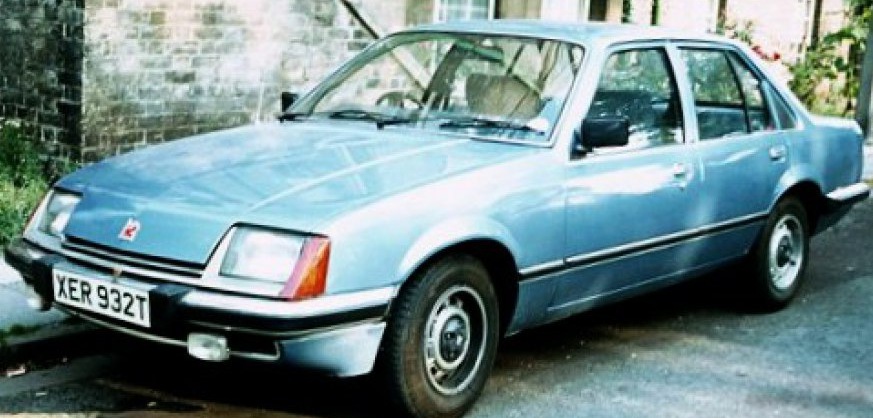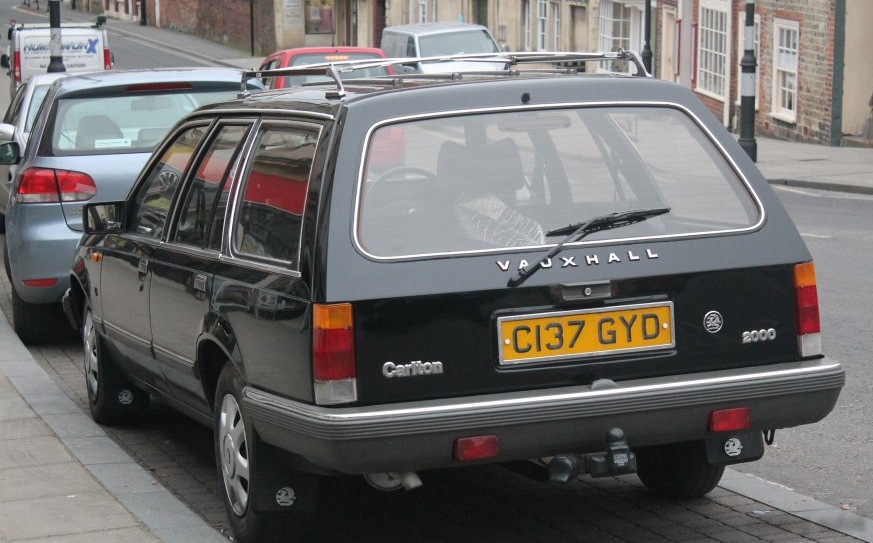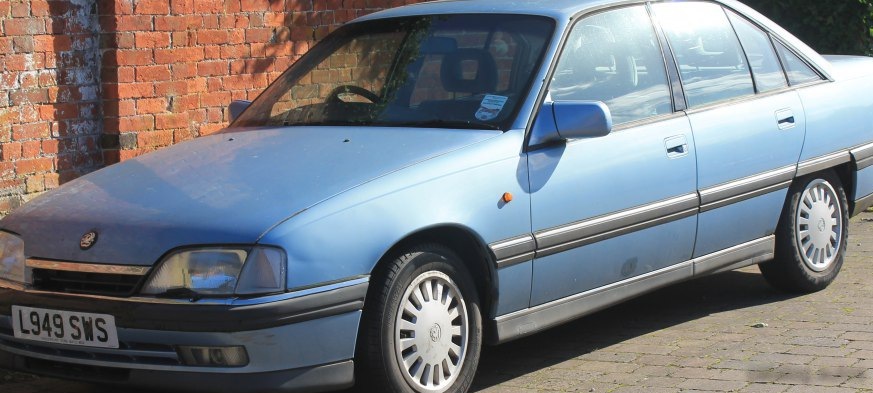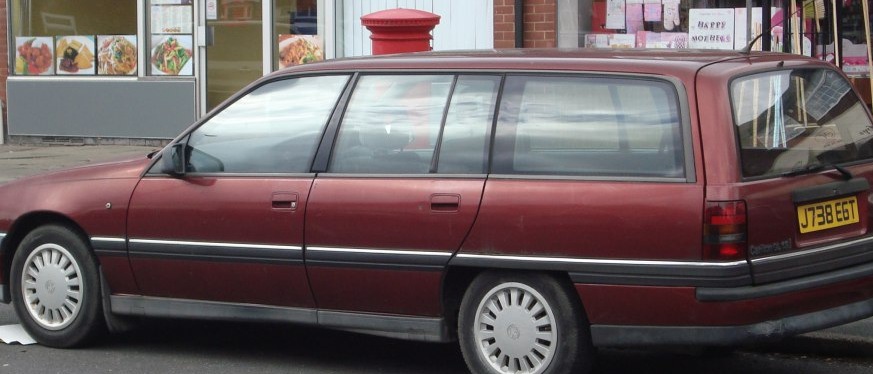
The Vauxhall Carlton Mk III Estate 1.8 S, produced between 1987 and 1994, represented the entry-level powertrain option for the third generation of the Carlton estate. Positioned as a practical and affordable family vehicle, it offered a spacious interior and large cargo capacity within the British market. The Mk III Carlton, built on the GM X-body platform (internally known as the Holden Commodore platform in Australia), aimed to provide a comfortable and reliable experience, though the 1.8 S variant prioritized economy over outright performance. It served as a more accessible alternative to the higher-specification models, such as the 2.0, 2.4, and the flagship 3.0-liter inline-six versions.
Technical Specifications
| Brand | Vauxhall |
| Model | Carlton Mk III Estate |
| Type (Engine) | 1.8 S (88 Hp) |
| Start of Production | 1987 |
| End of Production | 1994 |
| Powertrain Architecture | Internal Combustion Engine |
| Body Type | Station Wagon (Estate) |
| Seats | 5 |
| Doors | 5 |
| Fuel Type | Petrol (Gasoline) |
| Power | 88 Hp |
| Engine Model/Code | E18NVR |
| Engine Aspiration | Naturally Aspirated |
| Engine Oil Capacity | 4.5 l (4.76 US qt | 3.96 UK qt) |
| Coolant Capacity | 6.4 l (6.76 US qt | 5.63 UK qt) |
| Drivetrain | Rear Wheel Drive |
Powertrain & Engine Architecture
The Carlton 1.8 S Estate utilized the E18NVR engine, an 1,799 cc (1.8 liter) naturally aspirated four-cylinder petrol engine. This engine was part of Vauxhall’s ‘Family II’ series, known for its relatively simple design and durability. The E18NVR featured a single overhead camshaft (SOHC) valvetrain with two valves per cylinder. Fuel delivery was managed by a Bosch Jetronic fuel injection system, a common setup for the era, providing a balance between efficiency and performance. The engine produced 88 horsepower (66 kW) and approximately 138 lb-ft (187 Nm) of torque. The engine was mated to a three-speed automatic transmission, a GM-sourced unit known as the TH700R4 (or 3L40 in some markets). This transmission was chosen for its smoothness and ease of use, appealing to buyers prioritizing comfort over sporty driving dynamics.
Driving Characteristics
The 1.8 S automatic Carlton Estate offered a comfortable, if uninspiring, driving experience. The three-speed automatic transmission, while smooth, resulted in noticeable gear changes and a lack of the responsiveness found in manual transmission or higher-powered variants. Acceleration was modest, with a 0-60 mph time estimated around 12-14 seconds. The rear-wheel-drive layout provided balanced handling, but the relatively narrow tires and soft suspension tuning prioritized ride comfort over sharp cornering. The gear ratios were optimized for fuel economy and cruising, making it a suitable vehicle for long journeys, but less engaging on twisty roads. Compared to the 2.0 or 2.4-liter versions, the 1.8 S felt noticeably slower, particularly when fully loaded with passengers and luggage. The automatic transmission also diminished the engine’s available power, as it lacked the direct connection and control of a manual gearbox.
Equipment & Trim Levels
The 1.8 S trim level represented the base specification for the Carlton Estate. Standard equipment typically included central locking, electric front windows, and a basic stereo system. Interior upholstery was generally cloth, with a durable but unremarkable finish. The dashboard layout was functional and straightforward, featuring analog gauges for speed, fuel level, coolant temperature, and a clock. Optional extras included a sunroof, upgraded stereo systems, and alloy wheels. Air conditioning was also available as an option, though not standard. The trim level aimed to provide essential comfort and convenience features without the added cost of more luxurious appointments found in higher-spec models.
Chassis & Braking
The Carlton Mk III Estate utilized a traditional body-on-frame construction, providing a robust and durable chassis. Suspension consisted of independent front suspension with MacPherson struts and a live axle rear suspension with trailing arms. The 1.8 S variant typically featured smaller diameter wheels and tires compared to higher-spec models, contributing to a softer ride. Braking was initially equipped with front disc brakes and rear drum brakes. Later models saw the introduction of rear disc brakes on some trims, but the 1.8 S generally retained the drum setup. Anti-lock braking system (ABS) was not standard on the 1.8 S, but was available as an optional extra. Stabilizer bars were fitted to both the front and rear axles, helping to reduce body roll during cornering, though their effectiveness was limited by the soft suspension tuning.
Market Reception & Comparison
The Vauxhall Carlton 1.8 S Estate was generally well-received as a practical and affordable family vehicle. Critics acknowledged its spacious interior and large cargo capacity, but often noted its lack of performance and somewhat dated styling. Compared to rivals like the Ford Sierra Estate and Rover 200 Estate, the Carlton offered a more refined driving experience and a larger interior, but lacked the sporty appeal of the Sierra. Fuel economy was reasonable for the time, averaging around 25-30 mpg, but was lower than some of its competitors. Reliability was generally good, though the automatic transmission could be prone to issues if not properly maintained. The 1.8 S appealed to buyers prioritizing practicality and affordability over performance and luxury.
Legacy
The Vauxhall Carlton Mk III Estate 1.8 S, while not the most exciting variant in the lineup, remains a relatively common sight on British roads today. The E18NVR engine is known for its durability and relatively simple maintenance requirements, making it a popular choice for classic car enthusiasts. Parts availability is generally good, though some trim-specific components can be difficult to find. The automatic transmission, while reliable when maintained, can require more attention than the manual gearbox. In the used car market, the 1.8 S Estate represents an affordable entry point into Carlton ownership, offering a spacious and comfortable classic car experience. Its enduring appeal lies in its practicality, reliability, and nostalgic charm.