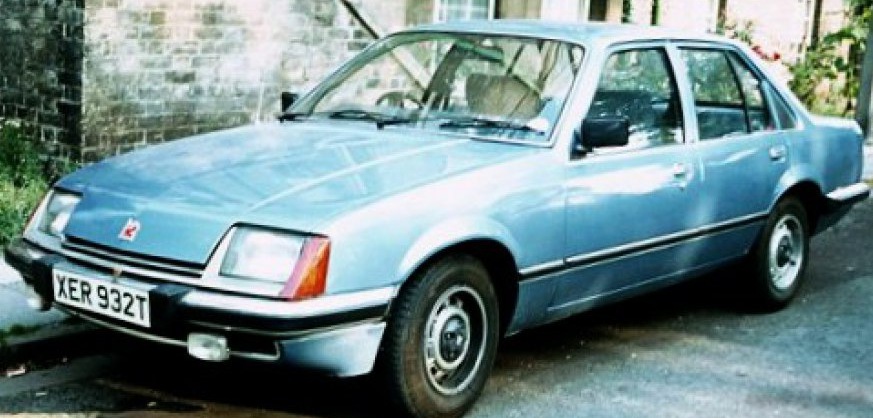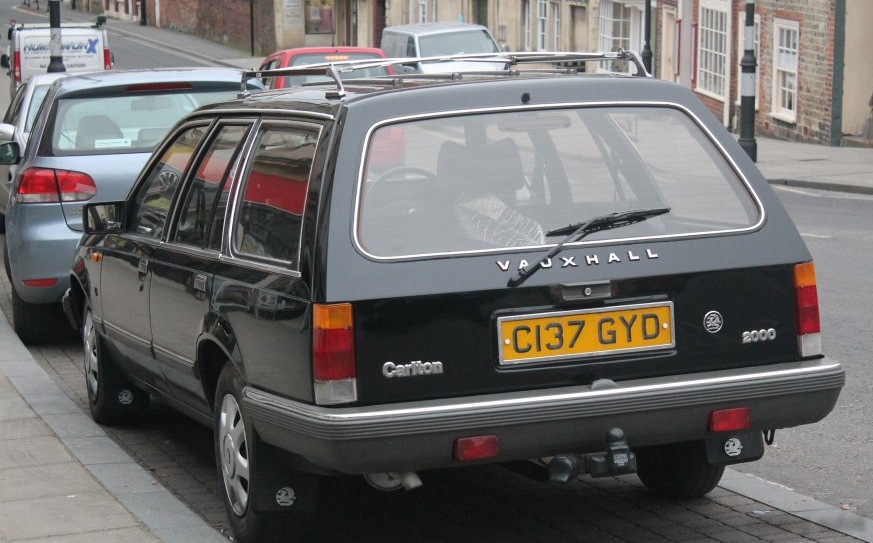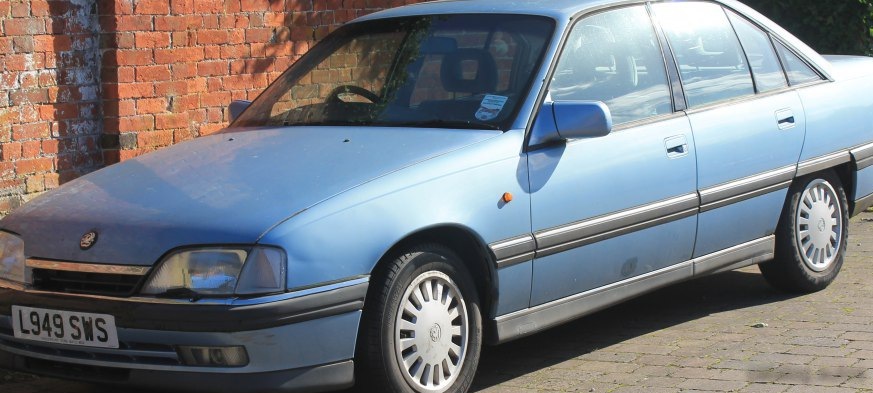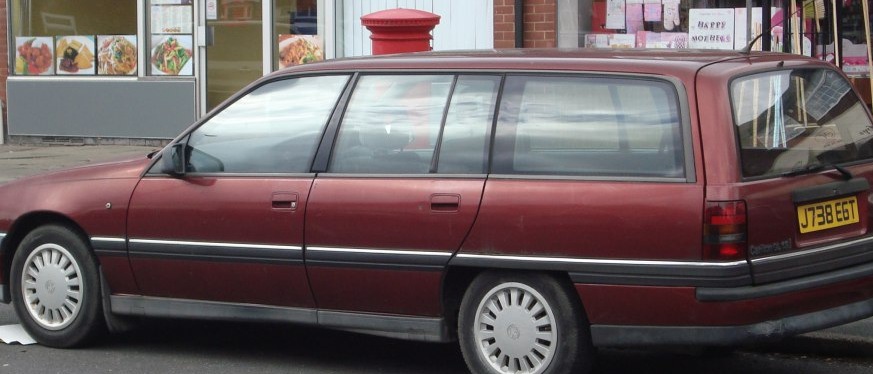
The Vauxhall Carlton Mk III Estate 2.0 CAT (115 hp) was a variant of the Carlton estate produced between 1986 and 1994. Positioned as a mid-range offering within the Mk III Carlton lineup, it aimed to provide a balance of practicality, comfort, and reasonable performance for family and business users. The Carlton Mk III, based on the GM X-body platform (internally known as the H-platform), represented a significant step up in sophistication and size compared to its predecessors, aligning with the trend towards larger, more comfortable executive cars of the era. The estate version, or ‘Country Estate’ as it was sometimes marketed, offered increased cargo capacity without sacrificing the Carlton’s refined driving experience.
Technical Specifications
| Brand | Vauxhall |
| Model | Carlton Mk III Estate |
| Type (Engine) | 2.0 CAT (115 hp) |
| Start of Production | 1986 |
| End of Production | 1994 |
| Powertrain Architecture | Internal Combustion Engine |
| Body Type | Station Wagon (Estate) |
| Seats | 5 |
| Doors | 5 |
| Fuel Type | Petrol (Gasoline) |
| Power | 115 hp |
| Engine Model/Code | C20NE |
| Engine Aspiration | Naturally Aspirated |
| Engine Oil Capacity | 4.5 liters (4.76 US qt, 3.96 UK qt) |
| Coolant Capacity | 6.4 liters (6.76 US qt, 5.63 UK qt) |
| Drivetrain | Rear Wheel Drive |
Powertrain & Engine Architecture
The 2.0 CAT variant was powered by the C20NE engine, a 1998cc (121.8 cubic inch) naturally aspirated inline-four cylinder engine. This engine was a mainstay of Vauxhall and Opel models throughout the 1980s and 90s, known for its relative reliability and smooth operation. The ‘CAT’ designation refers to the catalytic converter fitted to meet increasingly stringent emissions regulations. The C20NE featured a cast iron block and an aluminum cylinder head, employing a single overhead camshaft (SOHC) design with two valves per cylinder. Fuel delivery was managed by Bosch Motronic fuel injection, a sophisticated system for its time that optimized fuel efficiency and reduced emissions. The engine produced 115 horsepower at 5200 rpm and 137 lb-ft of torque at 3600 rpm. Paired with this engine was a four-speed automatic transmission, offering convenient operation but at the expense of some performance and fuel economy compared to the available five-speed manual gearbox.
Driving Characteristics
The Carlton 2.0 CAT automatic offered a comfortable, if not particularly sporty, driving experience. The automatic transmission, while smooth, resulted in noticeable acceleration lag. The gear ratios were geared towards cruising comfort rather than outright performance. 0-60 mph times were typically in the 11-12 second range, making it slower than the manual version or the higher-powered 2.4 and 2.8-liter variants. The rear-wheel-drive layout provided balanced handling, but the relatively soft suspension tuning prioritized ride comfort over sharp cornering. The automatic transmission did detract from driver engagement, and the engine could feel strained when pushed hard, particularly when fully loaded. However, for everyday driving and long journeys, the 2.0 CAT automatic provided a relaxed and refined experience.
Equipment & Trim Levels
The 2.0 CAT Estate typically came equipped with a reasonable level of standard features. These included central locking, electric front windows, a basic stereo system, and cloth upholstery. The interior was generally well-appointed for its class, with a functional dashboard layout and comfortable seating. Optional extras included leather upholstery, sunroof, upgraded stereo systems, and air conditioning. Trim levels varied slightly depending on the year of manufacture, but generally, the 2.0 CAT sat in the middle of the range, offering more features than the base models but lacking the luxury appointments of the higher-spec 2.4 and 2.8-liter versions. The estate body style itself added to the practicality, with a large cargo area accessible through a rear tailgate.
Chassis & Braking
The Carlton Mk III Estate utilized a MacPherson strut front suspension and a semi-trailing arm rear suspension. The suspension was tuned for comfort, providing a smooth ride over most road surfaces. Stabilizer bars were fitted to both the front and rear axles to reduce body roll during cornering. Braking was initially provided by disc brakes on the front wheels and drum brakes on the rear wheels. Later models often featured disc brakes all around, offering improved stopping power. The steering was power-assisted, making it light and easy to maneuver, particularly at low speeds. The chassis was robust and well-built, contributing to the Carlton’s reputation for durability.
Market Reception & Comparison
The Vauxhall Carlton Mk III Estate 2.0 CAT was generally well-received by the motoring press as a practical and comfortable family car. Critics praised its spacious interior, comfortable ride, and relatively refined engine. However, the automatic transmission was often criticized for its sluggishness and impact on fuel economy. Compared to its siblings, the 2.0 CAT offered a more affordable entry point into the Carlton range. The 2.4 and 2.8-liter models provided significantly more performance, but at a higher price. The 1.8-liter models were even more economical but lacked the power for comfortable long-distance cruising. Fuel economy for the 2.0 CAT automatic was typically around 22-26 mpg, which was reasonable for a car of its size and weight in the late 1980s and early 1990s. Reliability was generally good, although the automatic transmission could be prone to issues if not properly maintained.
Legacy
The Vauxhall Carlton Mk III Estate 2.0 CAT, while not the most exciting variant in the lineup, remains a popular choice among classic car enthusiasts and those seeking a comfortable and practical classic estate car. The C20NE engine is known for its durability and relative ease of maintenance, making it a relatively affordable classic to own. Parts availability is generally good, although some trim-specific items can be difficult to find. Today, well-maintained examples of the 2.0 CAT Estate are increasingly sought after, representing a piece of British automotive history and offering a unique blend of comfort, practicality, and classic styling. The car’s reputation for solid build quality and the engine’s longevity contribute to its continued presence on UK roads.