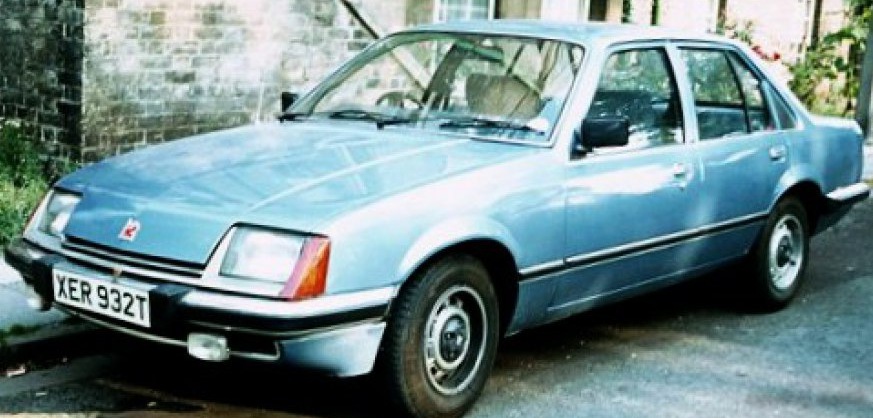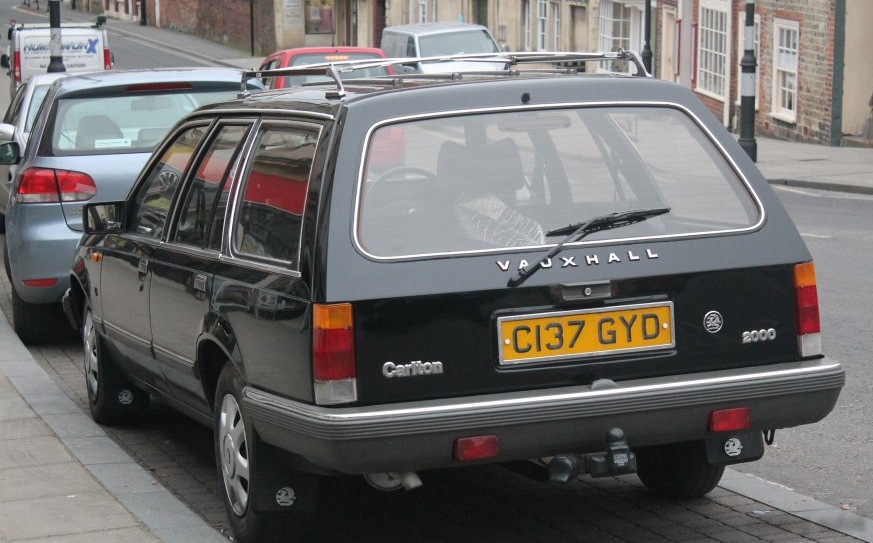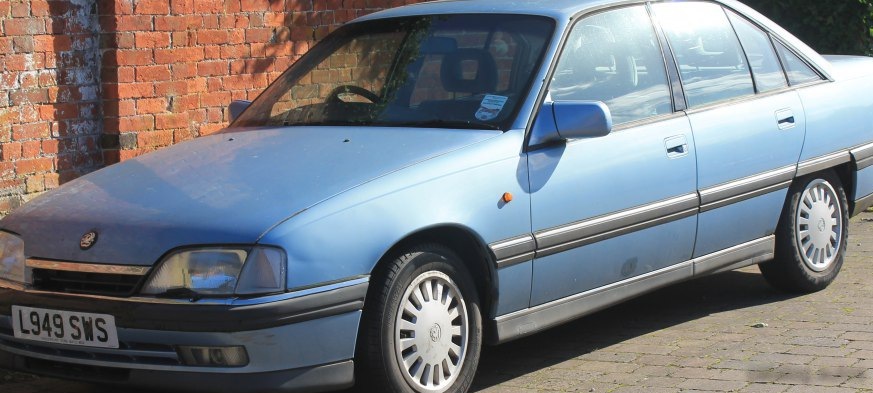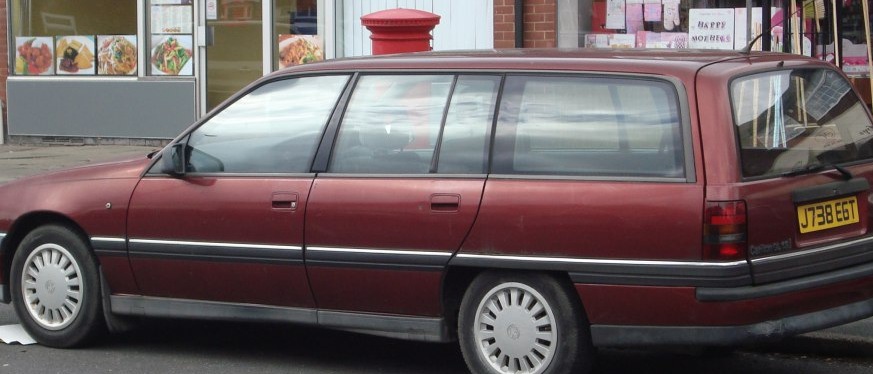
The Vauxhall Carlton Mk III Estate 2.0i CAT, produced between 1990 and 1994, represented a practical and relatively affordable entry point into the Carlton estate range. Part of the Mk III generation (1986-1994), the Carlton aimed to provide a spacious and comfortable family vehicle, competing with rivals like the Ford Granada and Rover 800. The ‘CAT’ designation signified the inclusion of a catalytic converter, reflecting increasing environmental regulations in Europe. This 2.0i variant, with its 99 horsepower output, was positioned as the mainstream choice, prioritizing fuel economy and usability over outright performance. It served as a workhorse for families and businesses alike, offering a substantial cargo capacity combined with a degree of refinement expected from a large Vauxhall.
Technical Specifications
| Brand | Vauxhall |
| Model | Carlton Mk III Estate |
| Type (Engine) | 2.0i CAT (99 Hp) |
| Start of production | 1990 |
| End of production | 1994 |
| Powertrain Architecture | Internal Combustion engine |
| Body type | Station wagon (estate) |
| Seats | 5 |
| Doors | 5 |
| Fuel Type | Petrol (Gasoline) |
| Power | 99 Hp |
| Engine Model/Code | C20NEJ |
| Engine aspiration | Naturally aspirated engine |
| Engine oil capacity | 4 l (4.23 US qt | 3.52 UK qt) |
| Coolant capacity | 6 l (6.34 US qt | 5.28 UK qt) |
| Drivetrain | Rear wheel drive |
Powertrain & Engine Architecture
The Carlton 2.0i CAT was powered by the C20NEJ engine, a 1998cc (2.0-liter) naturally aspirated inline-four cylinder unit. This engine was a mainstay of Vauxhall’s lineup during the late 1980s and early 1990s, known for its robustness and relative simplicity. It featured a single overhead camshaft (SOHC) design with two valves per cylinder. Fuel delivery was managed by Bosch Motronic fuel injection, a system that provided improved efficiency and reduced emissions compared to earlier carbureted engines. The catalytic converter, indicated by the ‘CAT’ in the model name, was a crucial component in meeting increasingly stringent European emission standards. The engine produced 99 horsepower at 5200 rpm and 132 lb-ft of torque at 3600 rpm. Paired with a four-speed automatic transmission, the powertrain was designed for smooth, comfortable cruising rather than spirited acceleration.
Driving Characteristics
The 2.0i CAT automatic Carlton Estate offered a relaxed driving experience. The four-speed automatic transmission, while not particularly sophisticated by modern standards, provided smooth gear changes, prioritizing comfort over performance. Acceleration was adequate for everyday driving, but the 99 horsepower output meant that overtaking maneuvers required careful planning. The rear-wheel-drive configuration provided a balanced feel, although it wasn’t as engaging as some of its more sporting rivals. The automatic transmission’s gear ratios were geared towards fuel efficiency, resulting in a relatively high cruising speed at lower engine revolutions. Compared to the more powerful 2.4 and 2.8-liter versions of the Carlton, or even the manual transmission 2.0i, the 2.0i CAT automatic felt noticeably slower, particularly when fully loaded. However, this trade-off was accepted by many buyers in exchange for lower running costs and a more relaxed driving experience.
Equipment & Trim Levels
The 2.0i CAT trim level generally represented the entry-level specification for the Carlton Estate. Standard equipment typically included central locking, electric front windows, and a basic stereo system. Interior upholstery was usually cloth, available in a range of muted colors. The dashboard layout was functional and straightforward, with clearly labeled controls. Optional extras included a sunroof, upgraded stereo systems, and leather upholstery. Air conditioning was also available as an option, although it wasn’t a standard feature. The trim level aimed to provide a comfortable and well-equipped vehicle without the expense of the higher-specification models. The focus was on practicality and value for money.
Chassis & Braking
The Carlton Mk III Estate utilized a traditional body-on-frame construction, providing a robust and durable chassis. Suspension consisted of independent front suspension with MacPherson struts and a live axle rear suspension with trailing arms. The 2.0i CAT variant typically featured drum brakes on the rear wheels and disc brakes on the front, providing adequate stopping power for its weight class. Stabilizer bars were fitted to both the front and rear axles to reduce body roll during cornering. The suspension setup prioritized ride comfort over handling precision, resulting in a smooth and compliant ride quality. The steering was power-assisted, making it relatively easy to maneuver, particularly at low speeds.
Market Reception & Comparison
The Vauxhall Carlton Mk III Estate 2.0i CAT was generally well-received by the motoring press as a practical and spacious family vehicle. Critics praised its comfortable ride, generous interior space, and relatively affordable price. However, the 2.0i engine was often criticized for being underpowered, particularly when paired with the automatic transmission. Fuel economy was considered reasonable for a vehicle of its size and weight, but it wasn’t class-leading. Compared to the higher-specification Carlton models, the 2.0i CAT offered a more economical option, but at the expense of performance. Against rivals like the Ford Granada and Rover 800, the Carlton offered a competitive package, with a reputation for reliability and durability.
Legacy
The C20NEJ engine, found in the Carlton 2.0i CAT, is generally considered a reliable unit, capable of high mileage with regular maintenance. The automatic transmission, while not as durable as some manual gearboxes, is also reasonably reliable if serviced correctly. Today, the Carlton Mk III Estate 2.0i CAT is becoming increasingly rare, and well-maintained examples are sought after by classic car enthusiasts. Its relatively simple mechanical design makes it easier to maintain and repair than more modern vehicles. While not a particularly collectible model, the 2.0i CAT represents a significant part of Vauxhall’s history and offers a nostalgic glimpse into the family cars of the early 1990s. Parts availability can be a challenge, but a dedicated network of Vauxhall enthusiasts and specialist suppliers continues to support these vehicles.