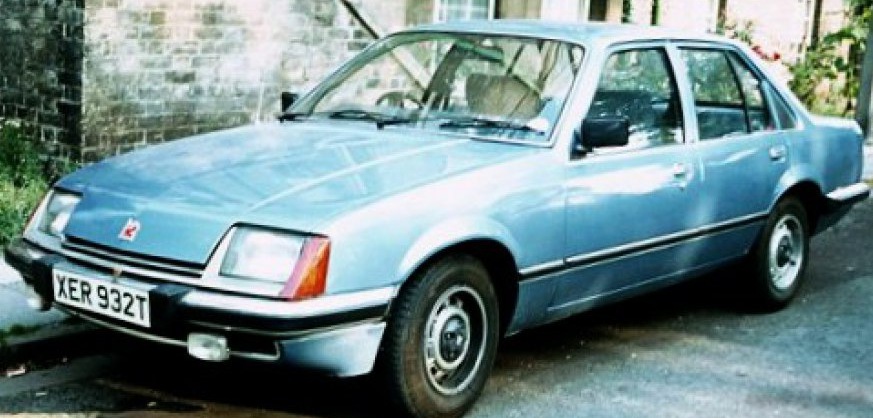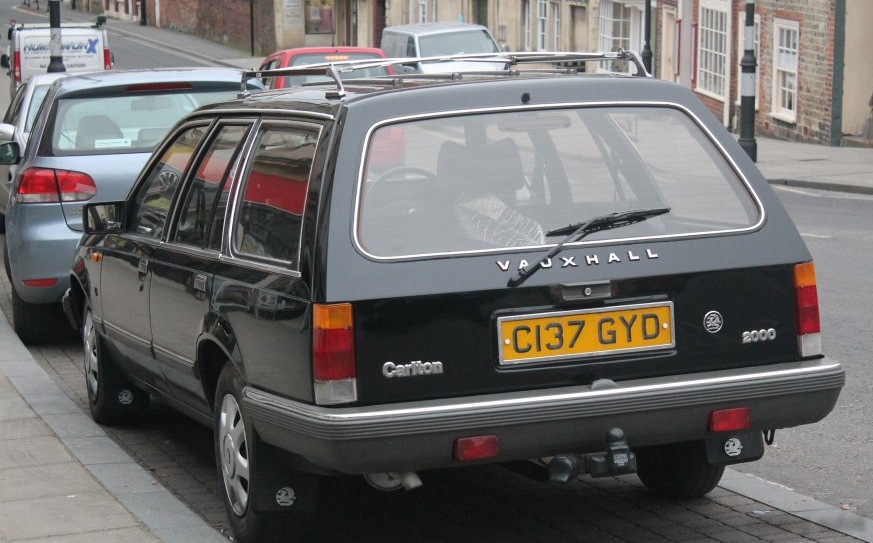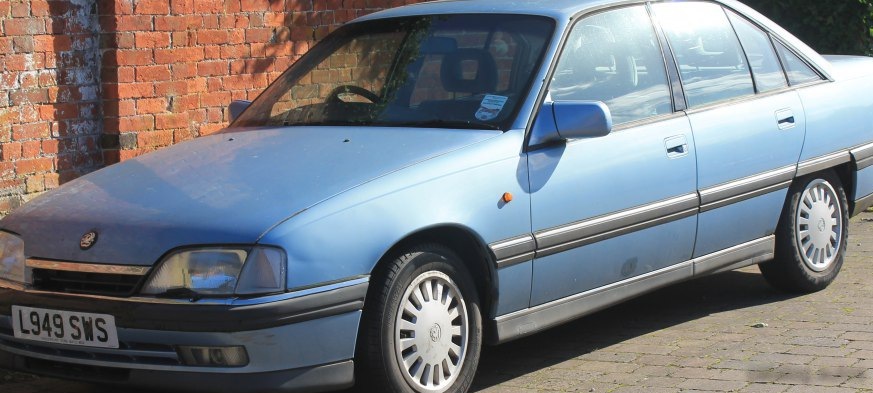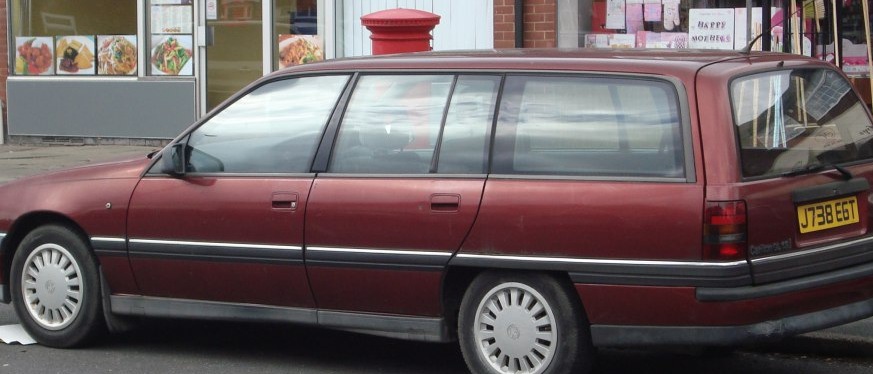
The Vauxhall Carlton Mk III Estate 2.3 D CAT, produced between 1986 and 1994, represented a practical and economical offering within the broader Carlton Mk III range. Positioned as the entry-level diesel variant of the estate (station wagon) body style, it catered to buyers prioritizing fuel efficiency and load-carrying capacity over outright performance. The Mk III Carlton, built on the GM X-body platform (internally designated as the Y10), was a significant model for Vauxhall, aiming to provide a comfortable and spacious family car with a touch of executive appeal. The estate version, in particular, was popular with those needing a versatile vehicle for both work and leisure.
Technical Specifications
| Brand | Vauxhall |
| Model | Carlton Mk III Estate |
| Type (Engine) | 2.3 D CAT (73 Hp) |
| Start of Production | 1986 |
| End of Production | 1994 |
| Powertrain Architecture | Internal Combustion Engine |
| Body Type | Station Wagon (Estate) |
| Seats | 5 |
| Doors | 5 |
| Fuel Type | Diesel |
| Power | 73 Hp |
| Engine Model/Code | 23YD |
| Engine Aspiration | Naturally Aspirated |
| Engine Oil Capacity | 5.5 l (5.81 US qt | 4.84 UK qt) |
| Coolant Capacity | 10.9 l (11.52 US qt | 9.59 UK qt) |
| Drivetrain | Rear Wheel Drive |
Powertrain & Engine Architecture
The heart of the Carlton 2.3 D CAT was the 23YD engine, a 2.3-liter naturally aspirated diesel engine. This engine was part of Vauxhall’s ‘O’ series of diesel engines, known for their robustness and relatively simple construction. It featured indirect injection, utilizing a Bosch rotary injection pump to deliver fuel into the pre-chamber, where it was partially combusted before entering the main combustion chamber. This system, while not as refined as direct injection, contributed to quieter operation and reduced emissions for the time. The engine employed a cast iron block and cylinder head, contributing to its durability. The ‘CAT’ designation indicates the presence of a catalytic converter, a relatively new technology in the mid-1980s aimed at reducing harmful exhaust emissions. The engine produced 73 horsepower and a modest amount of torque, figures typical for a diesel engine of this displacement and era. The transmission was a three-speed automatic, a Borg-Warner unit, chosen to provide ease of use for drivers prioritizing comfort over sporty performance. This automatic transmission was known for its smooth, if somewhat slow, shifts.
Driving Characteristics
The driving experience in the Carlton 2.3 D CAT Estate was defined by its practicality and relaxed pace. The 73 horsepower output, coupled with the three-speed automatic transmission, meant acceleration was leisurely. The engine delivered its peak torque at relatively low RPMs, making it suitable for hauling loads and tackling inclines, but it lacked the responsiveness of the petrol-powered Carlton variants. The automatic transmission’s gear ratios were geared towards fuel economy rather than performance. The rear-wheel-drive configuration provided a balanced feel, but the relatively soft suspension setup, designed for comfort, resulted in noticeable body roll during cornering. Compared to the more powerful 2.0L or 2.8L petrol versions, the diesel automatic Carlton felt significantly slower, but it offered a substantial advantage in fuel economy. The manual transmission versions of the 2.3 diesel offered slightly improved performance and fuel efficiency, but the automatic was favored by those seeking a more effortless driving experience.
Equipment & Trim Levels
The 2.3 D CAT Estate typically occupied the base trim level within the Carlton Estate range. Standard equipment included central locking, electric front windows, and a basic stereo system. Interior upholstery was typically cloth, in a durable but unremarkable pattern. The dashboard layout was functional and straightforward, with clearly labeled controls. Optional extras included a sunroof, upgraded stereo systems, and alloy wheels. Air conditioning was available, but not standard. The trim level was designed to appeal to buyers seeking a practical and affordable estate car, prioritizing functionality over luxury. Higher trim levels, available with the petrol engines, offered features such as leather upholstery, wood trim, and more sophisticated audio systems.
Chassis & Braking
The Carlton Mk III Estate utilized a conventional chassis layout, with independent suspension at the front and a live axle with trailing arms at the rear. The front suspension featured MacPherson struts, while the rear suspension was designed to provide a comfortable ride and adequate load-carrying capacity. Braking was initially provided by disc brakes at the front and drum brakes at the rear. Later models saw the introduction of rear disc brakes on some trim levels, but the 2.3 D CAT typically retained the rear drum setup. The braking system was adequate for the vehicle’s weight and performance, but lacked the stopping power of the more powerful Carlton variants. Stabilizer bars were fitted to both the front and rear axles to reduce body roll, but their effectiveness was limited by the soft suspension settings.
Market Reception & Comparison
The Vauxhall Carlton 2.3 D CAT Estate received a mixed reception from automotive critics. While praised for its fuel economy and spaciousness, it was often criticized for its lack of performance and somewhat agricultural engine. Compared to rivals such as the Ford Sierra Estate and the Rover 2000 Estate, the Carlton offered a more refined interior and a more comfortable ride, but it lacked the sporty handling of the Sierra. Fuel economy was a key selling point, with the diesel engine returning significantly better mileage than the petrol alternatives. Reliability was generally good, thanks to the robust construction of the engine and transmission, but maintenance costs could be higher due to the complexity of the indirect injection system. The 2.3 D CAT appealed to a specific segment of the market – those needing a practical and economical estate car for long distances or heavy loads.
Legacy
The Vauxhall Carlton 2.3 D CAT Estate, while not a performance icon, holds a place in automotive history as a practical and durable workhorse. The 23YD engine proved to be remarkably reliable, and many examples are still on the road today. In the used car market, these models are often sought after by enthusiasts looking for a classic British estate car with a simple and robust diesel engine. Parts availability can be a challenge, but the engine’s simplicity makes it relatively easy to repair. The Carlton Estate, in general, is remembered as a spacious and comfortable family car, and the 2.3 D CAT variant represents a cost-effective and economical option within the range. Its legacy is one of practicality and durability, rather than outright performance or luxury.