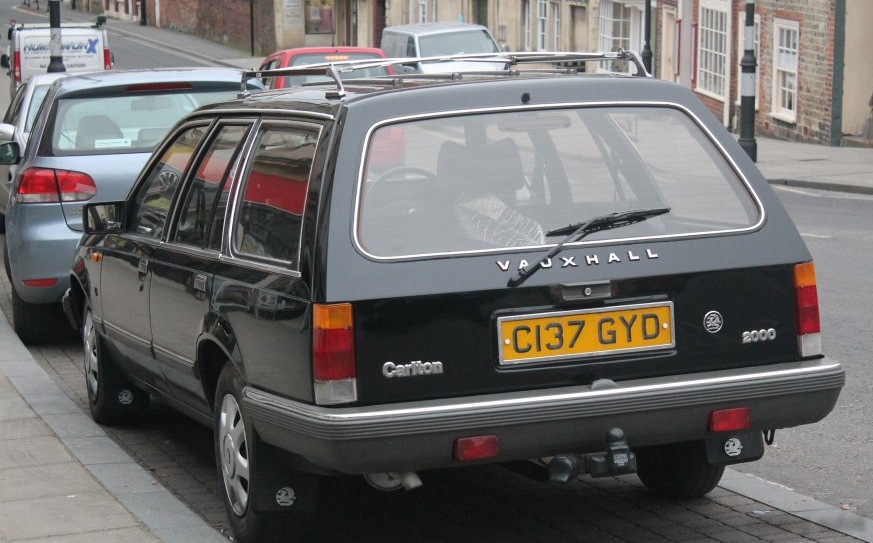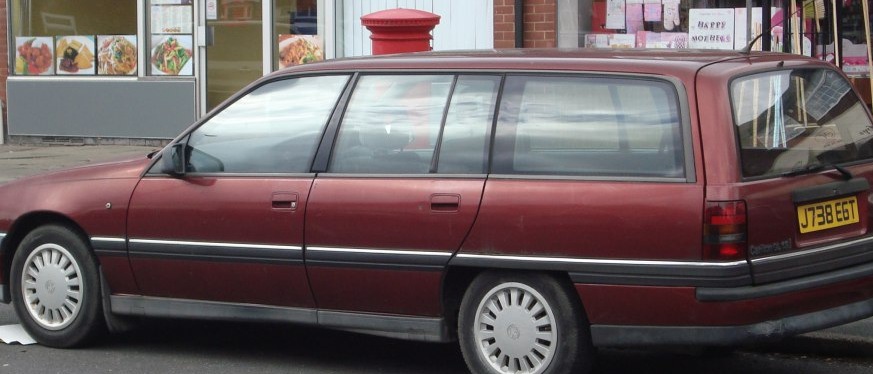
The Vauxhall Carlton Mk III Estate 2.3 TD Intercooled, produced between 1988 and 1994, represented a somewhat niche offering within the broader Carlton Mk III range. Positioned as a practical, fuel-efficient option for those needing substantial load-carrying capacity, it combined the Carlton’s spacious estate body style with a turbocharged diesel engine. The Mk III Carlton, built on the GM X platform (internally designated as the Y-body), was Vauxhall’s flagship model, aiming to compete with Ford’s Granada and Rover’s 800 series. The estate version, while less common than the saloon, provided a compelling alternative for families and businesses. This particular 2.3 TD Intercooled variant aimed to balance economy with reasonable performance, appealing to buyers who frequently undertook long journeys or required a vehicle capable of towing.
Technical Specifications
| Brand | Vauxhall |
| Model | Carlton Mk III Estate |
| Type (Engine) | 2.3 TD Intercooled (100 Hp) |
| Start of Production | 1988 |
| End of Production | 1994 |
| Powertrain Architecture | Internal Combustion Engine |
| Body Type | Station Wagon (Estate) |
| Seats | 5 |
| Doors | 5 |
| Fuel Type | Diesel |
| Power | 100 Hp |
| Engine Model/Code | 23DTR |
| Engine Aspiration | Turbocharger |
| Engine Oil Capacity | 5.5 l (5.81 US qt | 4.84 UK qt) |
| Coolant Capacity | 10.9 l (11.52 US qt | 9.59 UK qt) |
| Drivetrain | Rear Wheel Drive |
Powertrain & Engine Architecture
The heart of the Carlton 2.3 TD Intercooled was the 23DTR engine, a 2.3-liter inline-four cylinder diesel. This engine was a product of Vauxhall’s collaboration with Isuzu, who supplied the base engine design. The ‘Intercooled’ designation is crucial; the addition of an intercooler significantly improved performance by cooling the intake air, increasing its density and allowing more air to enter the cylinders. This resulted in a noticeable power boost compared to non-intercooled versions of the 2.3 diesel. The engine employed indirect injection, utilizing a Bosch fuel injection system. While not as sophisticated as direct injection systems found in later diesels, it provided reliable operation and reasonable fuel economy. The engine featured a single overhead camshaft (SOHC) valvetrain, operating two valves per cylinder. The 23DTR produced 100 horsepower and a respectable amount of torque for a diesel of its era, though exact torque figures varied slightly depending on the specific year and calibration. The engine was typically paired with a three-speed automatic transmission, a GM-sourced unit known for its durability but also its relatively conservative gear ratios. This transmission was chosen to provide smooth, effortless cruising, prioritizing comfort over outright acceleration.
Driving Characteristics
The driving experience in the Carlton 2.3 TD Intercooled Automatic was characterized by relaxed cruising and solid, if not sporty, performance. The automatic transmission, while smooth, meant that acceleration was not particularly brisk. The three-speed unit lacked the close ratios of a manual gearbox or a more modern automatic, resulting in noticeable gaps between gears. However, the turbocharger did provide a useful surge of power once boost pressure built up, making overtaking at highway speeds manageable. The rear-wheel-drive layout offered balanced handling, although the Carlton was a large and relatively heavy car, so it wasn’t particularly nimble. The suspension, tuned for comfort, absorbed bumps and imperfections in the road well, making it a pleasant long-distance cruiser. Compared to the manual transmission versions of the 2.3 TD, the automatic suffered a slight performance penalty due to the transmission’s inherent losses and less aggressive gearing. The higher-output 2.0-liter petrol engines and the flagship 3.0-liter straight-six offered significantly more performance, but at the cost of considerably worse fuel economy.
Equipment & Trim Levels
The Carlton Mk III Estate 2.3 TD Intercooled typically occupied a mid-range position within the Carlton lineup. Standard equipment included central locking, electric front windows, and a basic stereo system. Interior upholstery was generally cloth, although leather options were available as an extra. The dashboard layout was functional and straightforward, with clearly labeled controls. Optional extras included air conditioning, a sunroof, and upgraded sound systems. The estate body style itself added to the practicality, offering a large cargo area with a flat load floor when the rear seats were folded down. Trim levels varied slightly depending on the year, but generally, the 2.3 TD Intercooled was better equipped than the base models but lacked the luxury features found in the higher-spec 3.0-liter variants.
Chassis & Braking
The Carlton Mk III Estate utilized a traditional body-on-frame construction, providing a robust and durable chassis. The front suspension consisted of independent MacPherson struts, while the rear suspension employed a live axle with trailing arms. Stabilizer bars were fitted to both the front and rear axles to reduce body roll. Braking was initially provided by disc brakes on the front wheels and drum brakes on the rear wheels. Later models often featured disc brakes all around, offering improved stopping power. The steering was power-assisted, making it relatively light and easy to maneuver, despite the car’s size. The suspension was tuned for comfort, prioritizing ride quality over sharp handling.
Market Reception & Comparison
The Vauxhall Carlton 2.3 TD Intercooled Estate received generally positive reviews for its practicality, fuel economy, and comfortable ride. Critics praised the spacious interior and large cargo area, making it a suitable vehicle for families and businesses. However, the automatic transmission was sometimes criticized for its lack of responsiveness and the engine, while adequate, wasn’t considered particularly powerful. Compared to other trims in the Carlton lineup, the 2.3 TD Intercooled offered a compelling balance of economy and usability. It was significantly more fuel-efficient than the petrol-powered models, but offered a similar level of practicality and comfort. Against competitors like the Ford Granada and Rover 800 Estate, the Carlton offered a competitive package, particularly in terms of value for money.
Legacy
The Vauxhall Carlton 2.3 TD Intercooled Estate, while not a high-volume seller, has developed a loyal following among enthusiasts. The 23DTR engine, when properly maintained, proved to be remarkably durable, capable of covering high mileages. However, like all older diesels, it is susceptible to issues related to fuel system components and turbocharger wear. Today, these cars are relatively rare and are increasingly sought after by collectors and classic car enthusiasts. Parts availability can be a challenge, but a dedicated network of specialists and online forums exists to support owners. The Carlton 2.3 TD Intercooled represents a unique blend of practicality, durability, and understated style, making it a distinctive and increasingly appreciated classic vehicle.