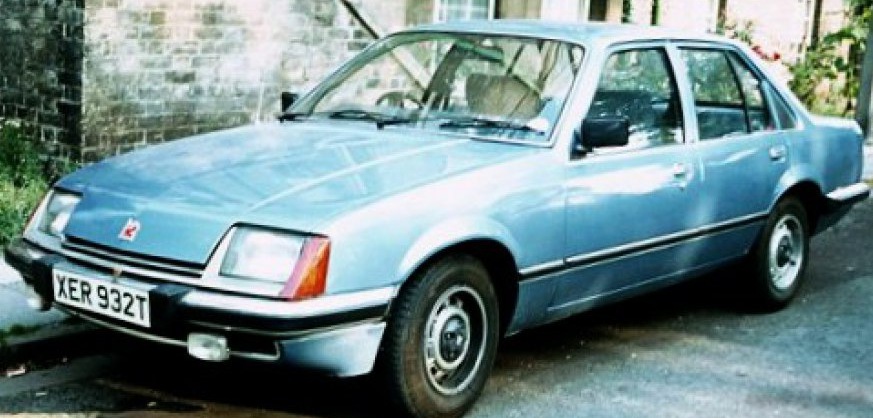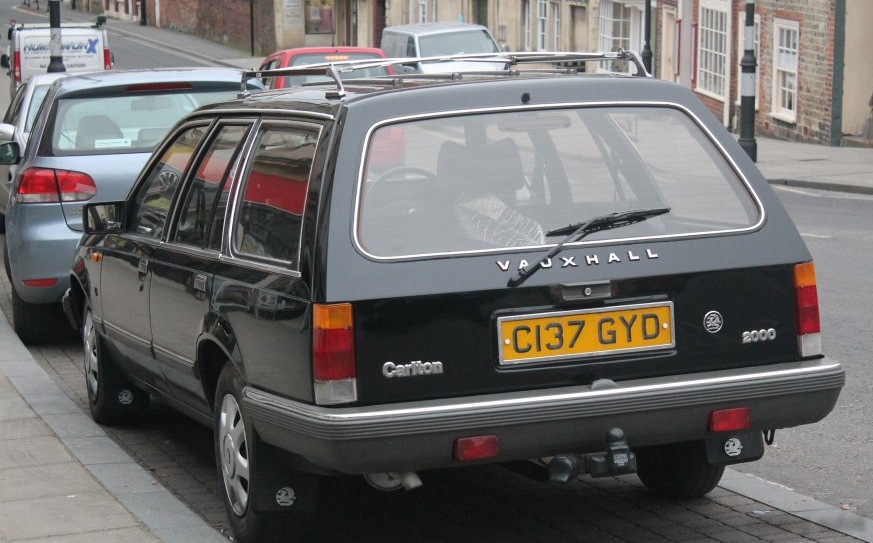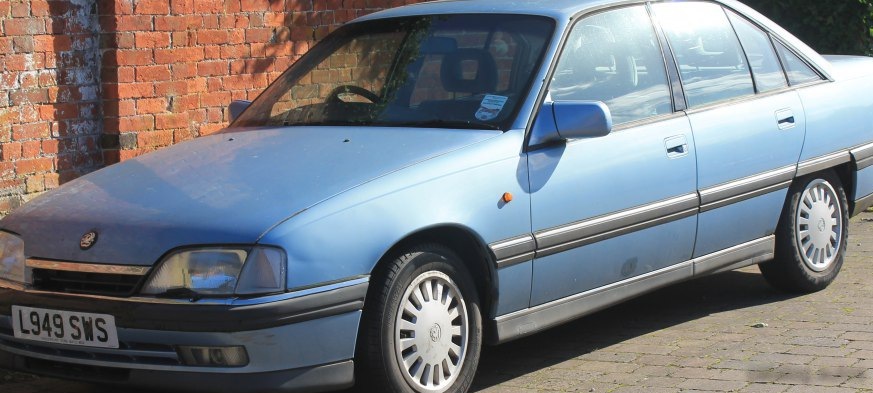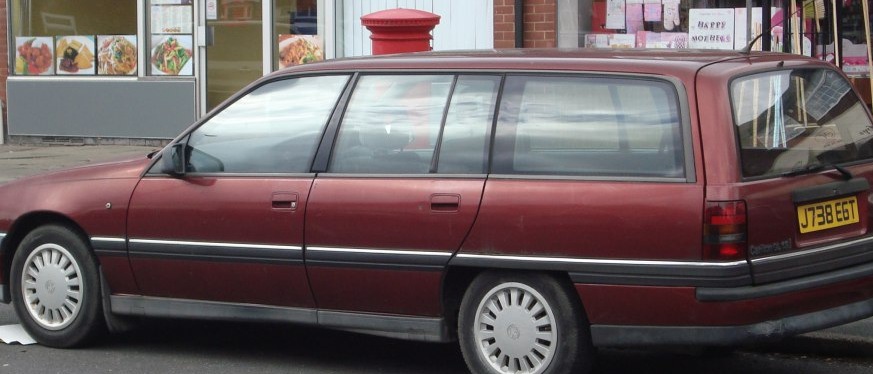
The Vauxhall Carlton Mk III Estate 2.4i CAT, produced between 1988 and 1994, represented a refined and practical offering within the third generation of the Carlton range. Positioned as a mid-range variant within the estate body style, it catered to buyers seeking a spacious, comfortable, and relatively economical family vehicle with a touch of understated luxury. The Mk III Carlton, built on the GM X-body platform (internally known as the Holden Commodore platform in Australia), aimed to bridge the gap between mainstream family cars and more executive-level vehicles. The ‘CAT’ designation refers to the catalytic converter fitted to meet increasingly stringent emissions regulations.
Technical Specifications
| Brand | Vauxhall |
| Model | Carlton Mk III Estate |
| Type (Engine) | 2.4i CAT (125 Hp) |
| Start of Production | 1988 |
| End of Production | 1994 |
| Powertrain Architecture | Internal Combustion Engine |
| Body Type | Station Wagon (Estate) |
| Seats | 5 |
| Doors | 5 |
| Fuel Type | Petrol (Gasoline) |
| Power | 125 Hp |
| Engine Model/Code | C24NE |
| Engine Aspiration | Naturally Aspirated |
| Engine Oil Capacity | 4.5 l (4.76 US qt | 3.96 UK qt) |
| Coolant Capacity | 7.8 l (8.24 US qt | 6.86 UK qt) |
| Drivetrain | Rear Wheel Drive |
Powertrain & Engine Architecture
The heart of the Carlton 2.4i CAT was the C24NE engine, a 2.4-liter (2394 cc) inline-four cylinder petrol engine. This engine was a development of the earlier 2.2-liter unit, featuring a Bosch Motronic fuel injection system. The C24NE utilized a single overhead camshaft (SOHC) design with two valves per cylinder. The engine’s relatively simple valvetrain contributed to its reliability and ease of maintenance. The ‘CAT’ designation signifies the inclusion of a catalytic converter, a crucial component for reducing harmful emissions and meeting European regulations. The engine produced 125 horsepower (93 kW) at 5200 rpm and 162 lb-ft (220 Nm) of torque at 3600 rpm. The engine was typically paired with a four-speed automatic transmission, although a five-speed manual gearbox was also available, albeit less common in this trim level. The automatic transmission, a GM-sourced unit, was known for its smooth operation but wasn’t particularly sporty or fuel-efficient by modern standards.
Driving Characteristics
The 2.4i CAT automatic Carlton Estate offered a comfortable and relaxed driving experience. The automatic transmission, while not offering rapid shifts, provided smooth acceleration and made it well-suited for everyday driving and long journeys. The rear-wheel-drive configuration provided a balanced feel, although it wasn’t as nimble as front-wheel-drive competitors. The 125 hp output was adequate for cruising on motorways and carrying a full load, but it wasn’t a particularly quick car. Acceleration from 0 to 60 mph took around 10-11 seconds. Compared to the more powerful 3.0-liter inline-six versions of the Carlton, the 2.4i felt noticeably less responsive. However, the 2.4i offered better fuel economy than the larger engine, making it a more practical choice for drivers prioritizing running costs. The gear ratios in the automatic transmission were geared towards comfort and fuel efficiency rather than outright performance.
Equipment & Trim Levels
The 2.4i CAT Estate typically came equipped with a reasonable level of standard features. These included central locking, electric front windows, power steering, and an adjustable steering column. Interior upholstery was typically cloth, although leather options were available as an extra. The dashboard layout was functional and straightforward, with clear instrumentation. Optional extras included a sunroof, upgraded stereo system, and air conditioning. The trim level sat comfortably in the middle of the Carlton Estate range, offering a good balance of features and affordability. It wasn’t as lavishly equipped as the top-of-the-line models, but it provided a comfortable and well-equipped environment for both driver and passengers.
Chassis & Braking
The Carlton Mk III Estate utilized a MacPherson strut front suspension and a live axle rear suspension. The suspension setup prioritized ride comfort over sharp handling. The rear axle was a semi-floating type. Braking was typically accomplished with disc brakes on the front wheels and drum brakes on the rear wheels. Anti-lock braking system (ABS) was available as an option, enhancing safety and control, particularly in wet or slippery conditions. Stabilizer bars were fitted to both the front and rear axles to reduce body roll during cornering. The chassis was robust and well-built, providing a solid foundation for the estate body style.
Market Reception & Comparison
The Vauxhall Carlton Mk III Estate 2.4i CAT was generally well-received by critics as a practical and comfortable family vehicle. It was praised for its spacious interior, comfortable ride, and relatively economical engine. However, it was also criticized for its somewhat bland styling and lack of sporting pretensions. Compared to the 3.0-liter Carlton, the 2.4i offered better fuel economy (around 24-28 mpg) but less performance. Against rivals such as the Ford Granada Estate and Rover 800 Estate, the Carlton offered a competitive package in terms of space, comfort, and value for money. The 2.4i CAT appealed to buyers who prioritized practicality and affordability over outright performance.
Legacy
The C24NE engine, while not known for being particularly exciting, proved to be a reliable and durable unit. Carlton Estates with this engine are still occasionally seen on the roads today, testament to their build quality and mechanical robustness. However, like many cars of this era, they are susceptible to rust, particularly in areas exposed to salt. The automatic transmission, if properly maintained, can also provide years of reliable service. In the used car market, the 2.4i CAT Estate represents an affordable and practical classic, appealing to enthusiasts seeking a spacious and comfortable family vehicle with a touch of retro charm. Parts availability is generally good, although some trim-specific items may be difficult to source. The Carlton Estate, in all its forms, remains a fondly remembered example of British family motoring from the late 1980s and early 1990s.