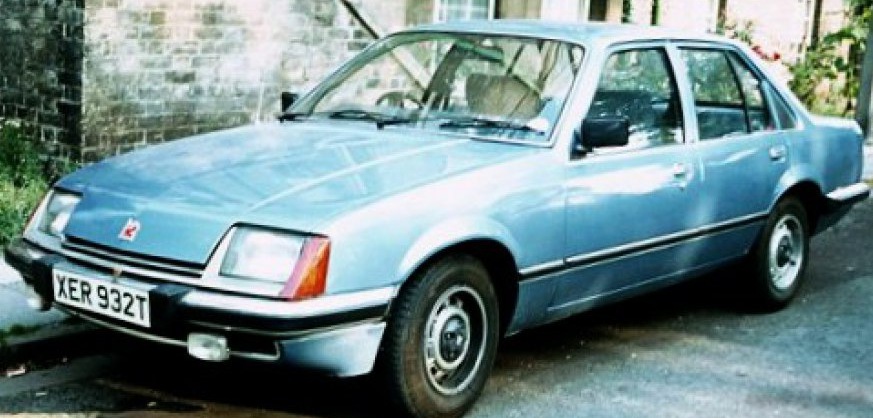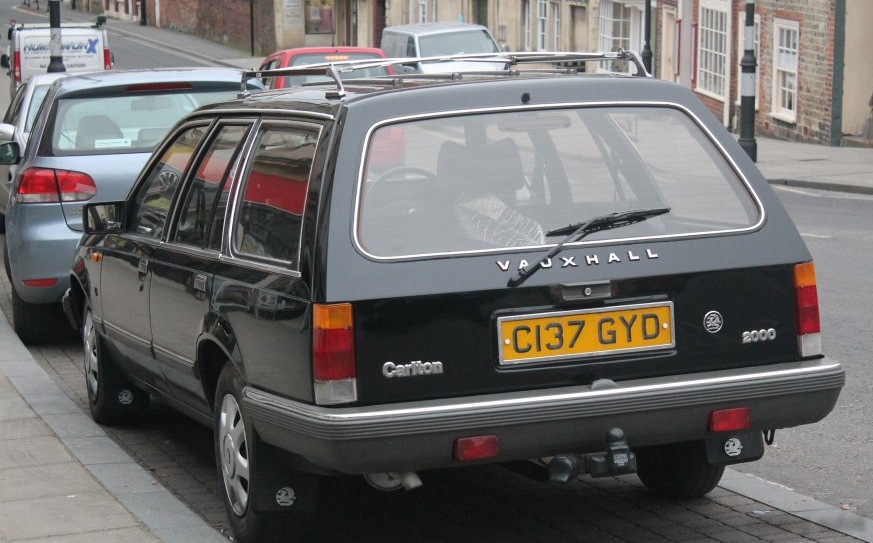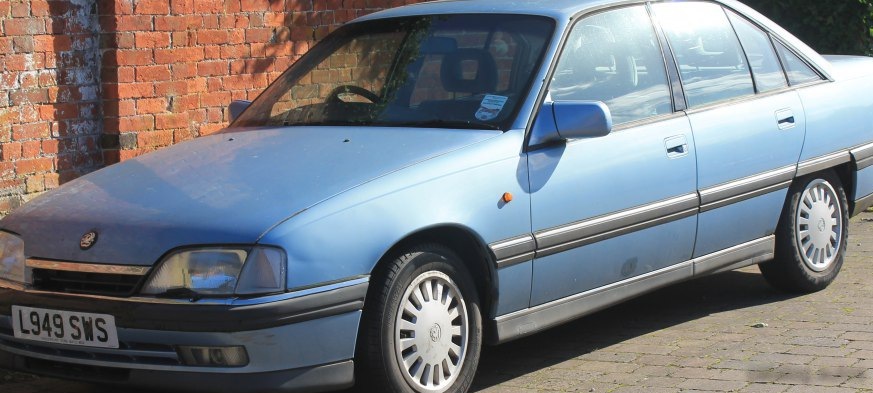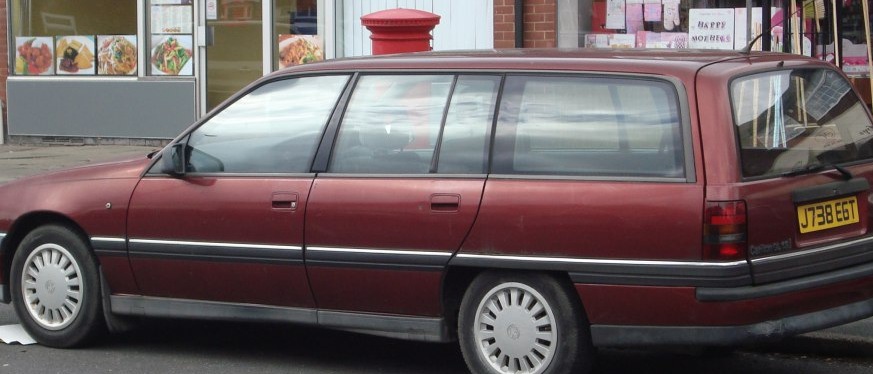
The Vauxhall Carlton Mk III Estate 2.6i CAT, produced between 1990 and 1994, represented a refined and practical offering within the third generation of the Carlton range. Positioned as a mid-range variant, it catered to buyers seeking a spacious, comfortable estate car with a respectable level of performance. The Mk III Carlton, built on the GM X-body platform (internally known as the Holden Commodore platform in Australia), aimed to provide a more upmarket alternative to Ford’s offerings in the UK market. The estate version, or ‘Station Wagon’ as it was often marketed, expanded the Carlton’s appeal to families and those requiring significant cargo capacity. This particular 2.6i CAT model, equipped with a catalytic converter to meet increasingly stringent emissions regulations, was a popular choice for those wanting a balance between economy and power.
Technical Specifications
| Brand | Vauxhall |
| Model | Carlton Mk III Estate |
| Type (Engine) | 2.6i CAT (150 Hp) |
| Start of Production | 1990 |
| End of Production | 1994 |
| Powertrain Architecture | Internal Combustion Engine |
| Body Type | Station Wagon (Estate) |
| Seats | 5 |
| Doors | 5 |
| Fuel Type | Petrol (Gasoline) |
| Power | 150 Hp |
| Engine Model/Code | C26NE |
| Engine Aspiration | Naturally Aspirated |
| Engine Oil Capacity | 5.5 l (5.81 US qt | 4.84 UK qt) |
| Coolant Capacity | 10.5 l (11.1 US qt | 9.24 UK qt) |
| Drivetrain | Rear Wheel Drive |
Powertrain & Engine Architecture
The heart of the Carlton 2.6i CAT was the C26NE engine, a 2.6-liter (2600cc) inline-six cylinder petrol engine. This engine was a mainstay of Vauxhall’s lineup for many years, known for its smoothness and relative durability. It featured a single overhead camshaft (SOHC) valvetrain operating two valves per cylinder. Fuel delivery was managed by Bosch Motronic fuel injection, a sophisticated system for its time, contributing to improved fuel efficiency and reduced emissions compared to earlier carbureted engines. The ‘CAT’ designation signifies the inclusion of a catalytic converter, essential for meeting the emissions standards of the early 1990s. The engine produced 150 horsepower at approximately 5200 rpm and 166 lb-ft of torque at 3600 rpm. The engine was mated to a four-speed automatic transmission, a GM-sourced unit known for its reliability, though not particularly sporty shift characteristics. This transmission was chosen to provide ease of driving, appealing to the target demographic of comfort-oriented buyers.
Driving Characteristics
The Carlton 2.6i CAT Automatic offered a comfortable and relaxed driving experience. The automatic transmission, while not offering manual control, provided smooth gear changes, making it well-suited for long journeys. Acceleration was adequate, with a 0-60 mph time of around 10-11 seconds, placing it firmly in the mid-range for cars of its size and era. Compared to the more powerful 3.0-liter inline-six versions of the Carlton, the 2.6i felt noticeably less responsive, particularly when overtaking. However, the 2.6i’s lighter weight (compared to the 3.0) and less stressed engine contributed to slightly better fuel economy. The rear-wheel-drive configuration provided a balanced feel, although it lacked the all-weather capability of front-wheel-drive rivals. The gear ratios were optimized for cruising, making it a comfortable highway car, but less engaging on twisty roads.
Equipment & Trim Levels
The 2.6i CAT Estate typically came equipped with a reasonable level of standard features. These included central locking, electric front windows, power steering, and an AM/FM stereo. Interior upholstery was typically cloth, available in a range of colors, though leather was offered as an optional extra. The dashboard layout was functional and straightforward, with clear instrumentation. Optional extras included a sunroof, upgraded stereo systems, and air conditioning, which was a popular addition, particularly in the UK climate. Trim levels were relatively simple, with the 2.6i CAT sitting above the base models but below the more luxurious 3.0-liter variants. The estate body style itself added to the practicality, with a large cargo area accessible through a rear tailgate.
Chassis & Braking
The Carlton Mk III Estate utilized a traditional body-on-frame construction, providing a robust and durable chassis. Suspension consisted of independent front suspension with MacPherson struts and a live axle rear suspension with trailing arms. The rear axle was often equipped with a stabilizer bar to reduce body roll. Braking was initially provided by disc brakes on the front wheels and drum brakes on the rear, although later models often featured disc brakes all around. The braking system was adequate for normal driving conditions, but lacked the stopping power of more modern systems. Steering was power-assisted, providing a light and easy driving experience. The suspension was tuned for comfort, prioritizing ride quality over sporty handling.
Market Reception & Comparison
The Vauxhall Carlton 2.6i CAT Estate was generally well-received by the motoring press as a practical and comfortable family car. Critics praised its spacious interior, smooth engine, and reasonable fuel economy. However, it was often criticized for its somewhat bland styling and lack of driving excitement compared to rivals like the Ford Granada Estate. Compared to the 3.0-liter Carlton, the 2.6i offered a lower purchase price and slightly better fuel economy, but at the expense of performance. The 2.6i also represented a step up in refinement and comfort compared to the base 2.0-liter models. Reliability was generally good, although the automatic transmission could be prone to issues if not properly maintained.
Legacy
The Vauxhall Carlton Mk III Estate 2.6i CAT, while not a particularly iconic or sought-after classic today, remains a solid and dependable used car. The C26NE engine is known for its longevity, and parts availability is generally good. However, like all cars of this age, they are susceptible to rust and require regular maintenance. The automatic transmission should be checked carefully before purchase. The Carlton Estate represents a bygone era of large, comfortable, and practical family cars, offering a unique blend of British engineering and German technology. Values remain relatively low, making it an affordable option for those seeking a classic estate car with a spacious interior and a smooth, reliable engine.