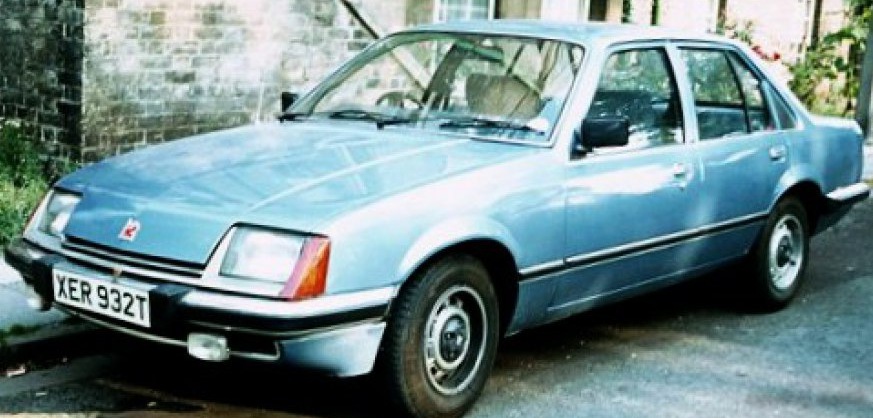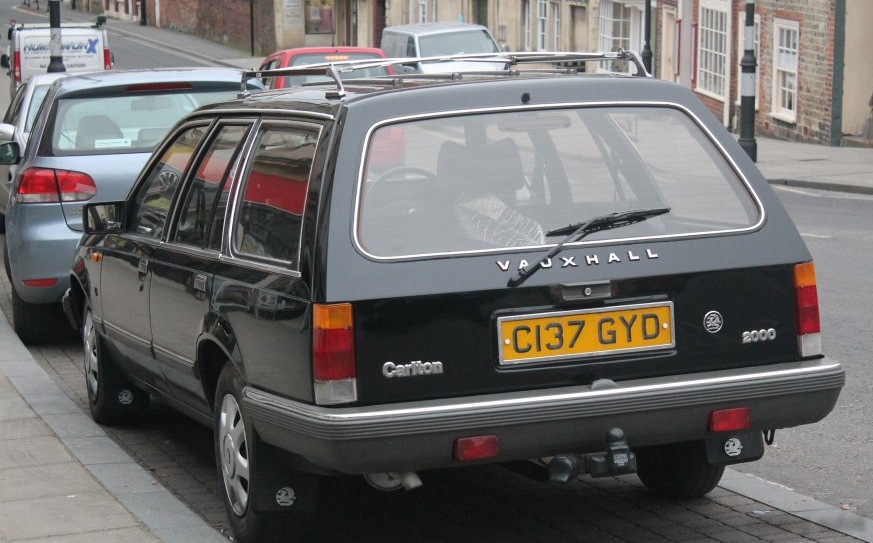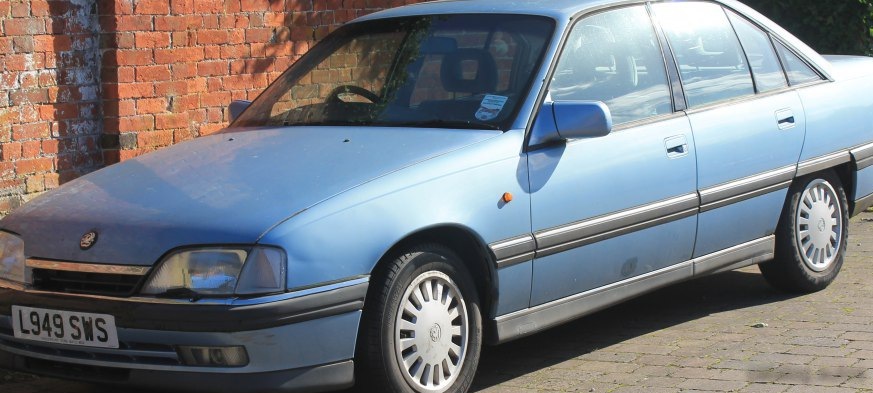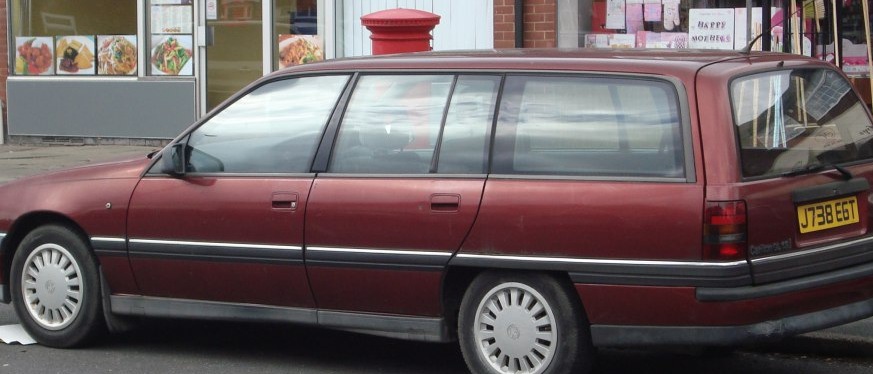
The Vauxhall Carlton Mk III Estate 3.0 24V, produced between 1989 and 1994, represented a luxurious and powerful offering within the British automotive market. As part of the Mk III Carlton range (designated as the C-series), the Estate variant provided a practical, spacious body style combined with a high-performance, naturally aspirated 3.0-liter inline-six engine. This model occupied a premium position within the Carlton lineup, appealing to buyers seeking a blend of performance, comfort, and load-carrying capability. It was a direct competitor to vehicles like the Ford Granada Estate and Rover 800 Estate, offering a more sophisticated driving experience and a higher level of standard equipment.
Technical Specifications
| Brand | Vauxhall |
| Model | Carlton Mk III Estate |
| Generation | Carlton Mk III Estate |
| Type (Engine) | 3.0 24V (200 Hp) |
| Start of production | 1989 |
| End of production | 1994 |
| Powertrain Architecture | Internal Combustion engine |
| Body type | Station wagon (estate) |
| Seats | 5 |
| Doors | 5 |
| Fuel Type | Petrol (Gasoline) |
| Power | 200 Hp |
| Engine Model/Code | C30SE |
| Engine aspiration | Naturally aspirated engine |
| Engine oil capacity | 5.5 l (5.81 US qt | 4.84 UK qt) |
| Coolant capacity | 9.8 l (10.36 US qt | 8.62 UK qt) |
| Drivetrain Architecture | Rear wheel drive |
Powertrain & Engine Architecture
The heart of the Carlton Mk III Estate 3.0 24V was the C30SE engine, a 2,930cc inline-six cylinder powerplant. This engine was a significant departure from the four-cylinder engines offered in lower-spec Carlton models. The ‘24V’ designation refers to the four valves per cylinder, contributing to its high power output. The C30SE featured a cast iron block and an aluminum cylinder head, a common configuration for durability and weight reduction. Fuel delivery was managed by Bosch Motronic fuel injection, providing precise control over the air-fuel mixture for optimal performance and emissions. The engine utilized a single overhead camshaft design, operating a double row timing chain. The engine produced 200 horsepower and approximately 207 lb-ft of torque, providing brisk acceleration for a vehicle of its size. The engine was known for its smooth power delivery and relatively quiet operation.
Driving Characteristics
The Carlton 3.0 24V Estate offered a refined driving experience. While not a sports car, the engine’s torque output provided ample power for comfortable cruising and overtaking. The rear-wheel-drive configuration contributed to balanced handling, although the estate body style and overall weight (around 3,700 lbs) meant it wasn’t particularly agile. The automatic transmission, typically a four-speed unit, was geared for comfortable highway driving. Compared to the manual transmission versions, the automatic offered less direct control and slightly reduced acceleration, but it prioritized ease of use. The automatic transmission’s shift points were generally well-programmed, providing smooth transitions between gears. The suspension, featuring independent front suspension and a live axle rear suspension, provided a comfortable ride, absorbing bumps and imperfections in the road surface effectively.
Equipment & Trim Levels
The 3.0 24V Estate was typically well-equipped, reflecting its position as a premium model. Standard features often included central locking, electric windows, power steering, and an upgraded audio system. Leather upholstery was a common feature, along with wood trim on the dashboard and door panels. Air conditioning was frequently included, and options such as a sunroof, upgraded sound systems, and even rear self-leveling suspension were available. The interior was designed with comfort and practicality in mind, offering ample space for passengers and luggage. The estate body style, of course, provided a significantly larger cargo area than the saloon version, making it ideal for families or those requiring substantial load-carrying capacity.
Chassis & Braking
The Carlton Mk III Estate utilized a robust chassis designed to handle the power of the 3.0-liter engine. The front suspension featured independent MacPherson struts, while the rear suspension employed a live axle with trailing arms. Stabilizer bars were fitted to both the front and rear axles to reduce body roll during cornering. Braking was initially provided by disc brakes on the front wheels and drum brakes on the rear. Later models often featured disc brakes all around, offering improved stopping power. The braking system was generally considered adequate for the vehicle’s weight and performance, but it lacked the sophistication of more modern systems. Power-assisted steering was standard, making maneuvering at low speeds easier.
Market Reception & Comparison
The Vauxhall Carlton 3.0 24V Estate received generally positive reviews from automotive critics. It was praised for its smooth engine, comfortable ride, and spacious interior. However, some critics noted its relatively high price and fuel consumption. Compared to the lower-spec Carlton models, the 3.0 24V offered a significant performance upgrade, but it came at a cost. The 2.0-liter and 2.3-liter models were more affordable and fuel-efficient, appealing to a wider range of buyers. The 3.0 24V was positioned as a luxury alternative, competing with more established premium estates like the Volvo 940 Estate and BMW 5 Series Touring. Fuel economy was typically in the range of 18-22 mpg, which was typical for a large, naturally aspirated six-cylinder engine of that era.
Legacy
The Vauxhall Carlton Mk III Estate 3.0 24V has developed a cult following among enthusiasts. The C30SE engine is known for its durability and relatively simple construction, making it a popular choice for restoration projects. While not as common as the saloon version, the estate variant is highly sought after by collectors. Today, well-maintained examples command a premium price. The car represents a high point in British automotive engineering, offering a blend of performance, luxury, and practicality. The automatic transmission, while not as engaging as a manual, remains reliable if properly maintained. Finding parts can be challenging, but a dedicated network of specialists and online resources exists to support Carlton owners. The Carlton Estate 3.0 24V remains a distinctive and desirable classic car, embodying a bygone era of British motoring.