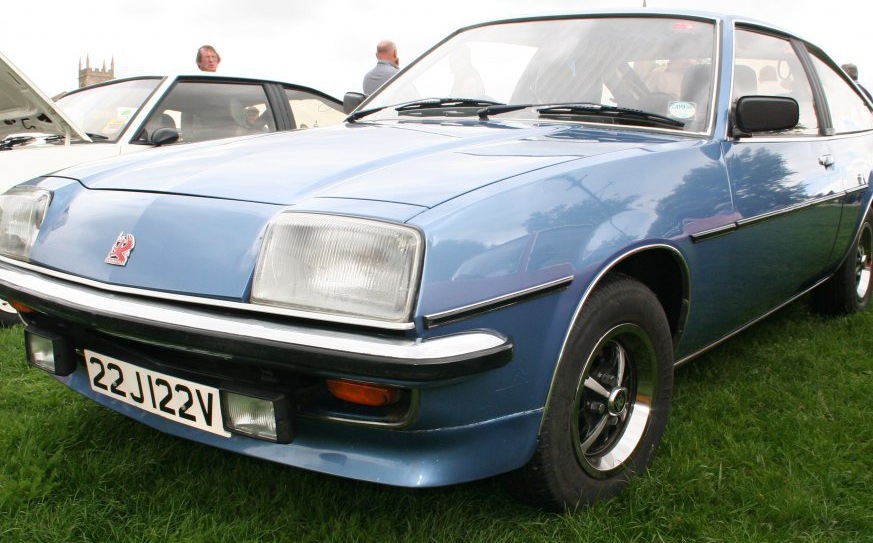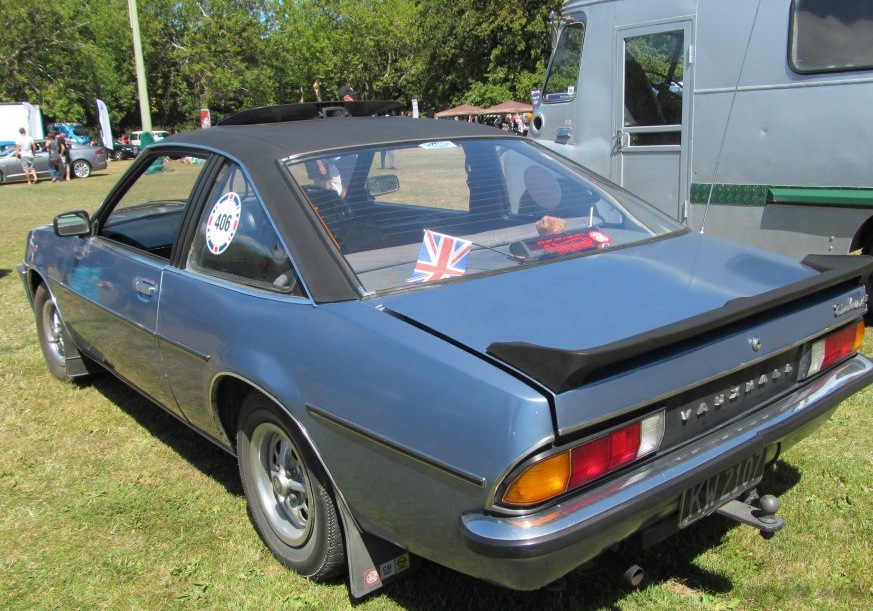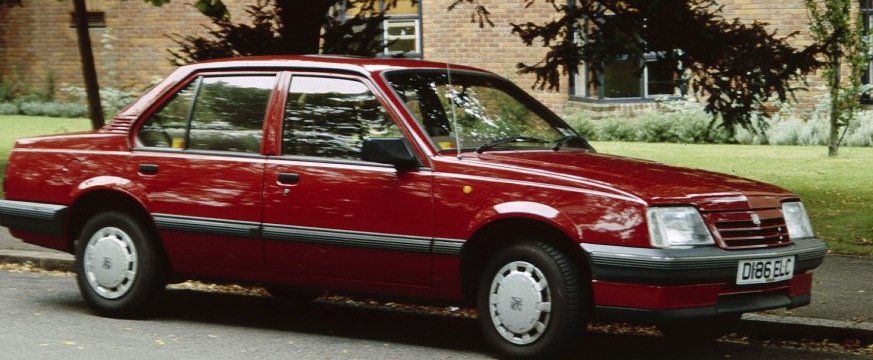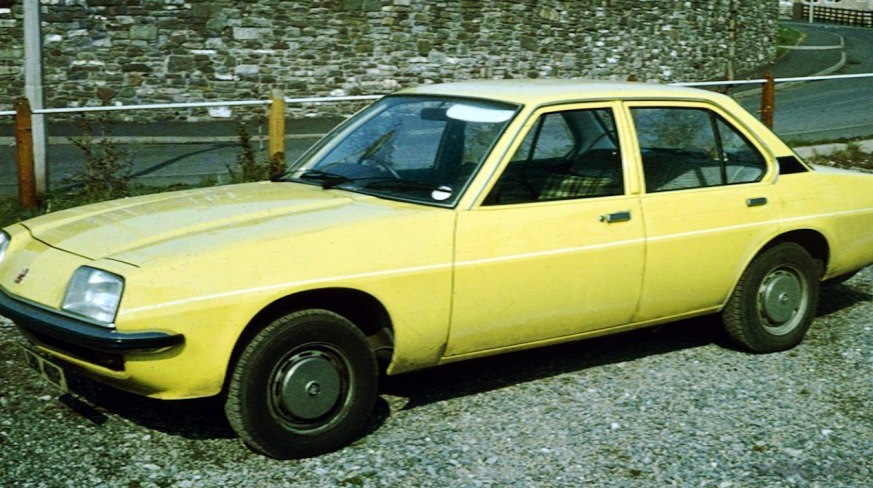
The Vauxhall Cavalier 1.2 S, produced between 1975 and 1979, represented the entry point into the second generation (Mk2) Cavalier range. This model, part of the larger Vauxhall lineup aimed at the British family car market, offered a budget-friendly option within a segment increasingly focused on practicality and affordability. The Mk2 Cavalier, based on the Opel Ascona B, was a significant departure from its predecessor, offering a more modern design and improved features. The 1.2 S trim specifically targeted buyers seeking economical transportation with a focus on basic comfort and reliability. It served as a stepping stone for customers who might later upgrade to the more powerful and better-equipped variants.
Technical Specifications
| Brand | Vauxhall |
| Model | Cavalier |
| Generation | Cavalier (Mk2) |
| Type (Engine) | 1.2 S (60 Hp) |
| Start of production | 1975 |
| End of production | 1979 |
| Powertrain Architecture | Internal Combustion Engine |
| Body type | Sedan |
| Seats | 5 |
| Doors | 4 |
| Fuel Type | Petrol (Gasoline) |
| Power | 60 Hp |
| Engine Model/Code | 12S |
| Engine aspiration | Naturally aspirated |
| Engine oil capacity | 2.75 l (2.91 US qt | 2.42 UK qt) |
| Coolant capacity | 5.1 l (5.39 US qt | 4.49 UK qt) |
| Drivetrain | Rear wheel drive |
Powertrain & Engine Architecture
The heart of the Cavalier 1.2 S was the 12S engine, a 1.2-liter (1200cc) inline-four cylinder petrol engine. This engine was a relatively simple design, featuring a single overhead camshaft (SOHC) and a two-barrel carburetor. The engine’s design prioritized fuel economy and ease of maintenance over outright performance. It produced 60 horsepower at approximately 5,400 rpm and around 73 lb-ft of torque. The engine utilized a conventional ignition system with a distributor and points. The 12S engine was known for its durability, though it wasn’t particularly sophisticated by the standards of the time. The engine was mated to a four-speed manual gearbox as standard, although a three-speed automatic transmission was offered as an optional extra, albeit rarely selected due to its further impact on performance.
Driving Characteristics
The driving experience in the Cavalier 1.2 S was decidedly unhurried. With only 60 horsepower propelling a relatively heavy sedan, acceleration was modest. Zero to sixty mph times were typically in the 16-18 second range. The four-speed manual transmission helped to keep the engine in its optimal power band, but even then, overtaking required careful planning. The rear-wheel-drive configuration provided predictable handling, but the suspension was tuned for comfort rather than sporty dynamics. The automatic transmission, when equipped, further dulled performance, making the car feel sluggish, especially when climbing hills or accelerating from a standstill. Compared to the larger-engined Cavaliers (like the 1.6 or 2.0-liter models), the 1.2 S felt significantly underpowered. However, its simplicity and light weight did contribute to reasonable fuel economy for the era.
Equipment & Trim Levels
The 1.2 S trim level represented the base model in the Cavalier range. Standard equipment was fairly basic, reflecting its position as an affordable family car. It typically included cloth upholstery, vinyl floor covering, and a simple dashboard layout. Features like a radio, heated rear window, and upgraded interior trim were usually optional extras. The exterior trim was minimal, with black plastic bumpers and relatively small steel wheels with hubcaps. The focus was on providing a functional and reliable vehicle at a low price point. The interior was designed for practicality, with ample space for passengers and a reasonably sized boot (trunk). Optional extras included a sunroof, upgraded stereo systems, and different paint colors.
Chassis & Braking
The Cavalier 1.2 S utilized a body-on-frame construction, which was common for cars of that era. The suspension consisted of independent front suspension with coil springs and a live axle with leaf springs at the rear. The steering was a recirculating ball system, which provided a relatively heavy but precise feel. Braking was accomplished via drum brakes on all four wheels, which were adequate for the car’s performance but lacked the stopping power of disc brakes. The chassis was designed to provide a comfortable ride, and it generally performed well on typical British roads. Stabilizer bars were not standard on the 1.2 S, contributing to a slightly more pronounced body roll in corners.
Market Reception & Comparison
The Cavalier 1.2 S was generally well-received as an affordable and practical family car. Critics acknowledged its modest performance but praised its fuel economy and reliability. It was often compared to other entry-level family sedans of the time, such as the Ford Cortina and Morris Marina. The 1.2 S offered a competitive price point, making it an attractive option for budget-conscious buyers. However, it was often overshadowed by the more powerful and better-equipped versions of the Cavalier, as well as by rivals offering more modern features. Fuel economy was a key selling point, averaging around 30-35 mpg in real-world driving conditions. Reliability was generally good, although the drum brakes and carburetor required periodic maintenance.
Legacy
The Cavalier 1.2 S, while not a particularly exciting or technologically advanced vehicle, played an important role in establishing the Cavalier as a popular family car in the UK. The 12S engine proved to be durable and relatively easy to maintain, making it a favorite among owners. Today, surviving examples of the Cavalier 1.2 S are relatively rare, and they are often sought after by classic car enthusiasts and collectors. The car represents a snapshot of British automotive history, reflecting the economic conditions and design trends of the 1970s. While not a high-performance machine, the 1.2 S offers a nostalgic driving experience and a glimpse into a bygone era of motoring. Its simplicity and affordability continue to appeal to those seeking a classic car that is both enjoyable to drive and relatively inexpensive to maintain.