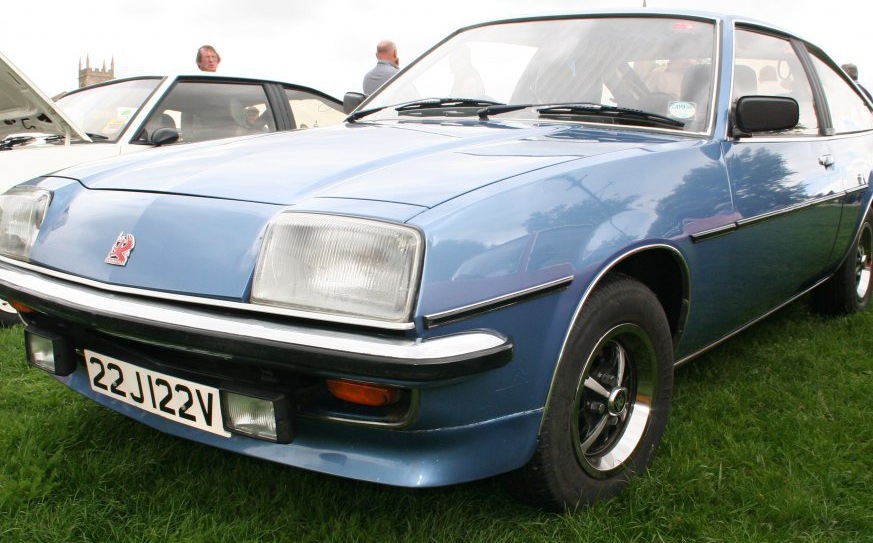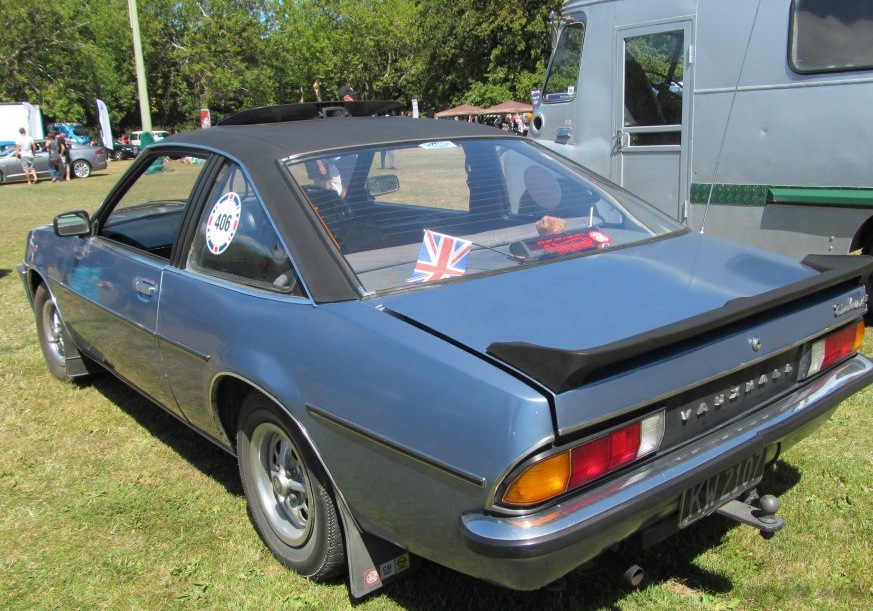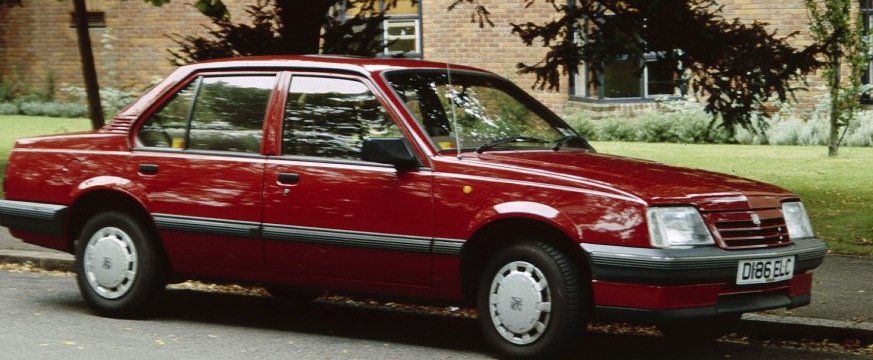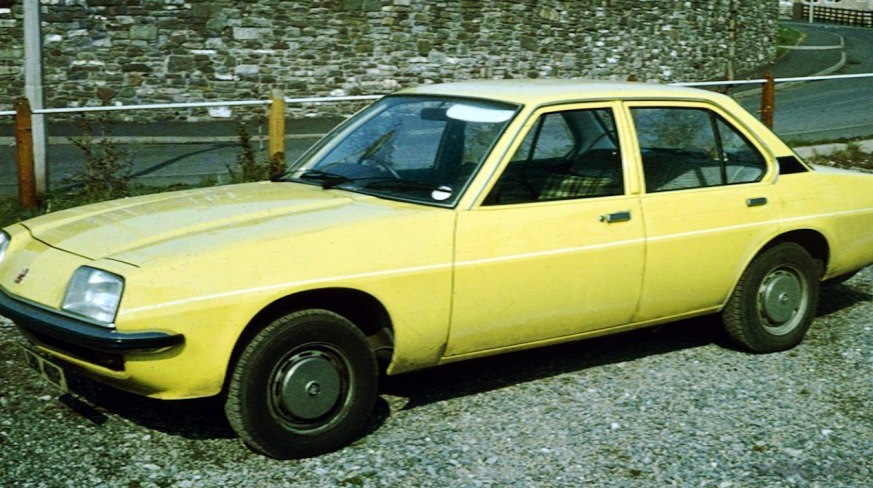
The Vauxhall Cavalier 1.6 N, produced between 1975 and 1981, represented the entry point into the second generation of the Cavalier (designated as the BE series). Positioned as a practical and affordable family saloon, it served as the foundation for a model range that would eventually offer more powerful and luxurious variants. This initial iteration of the Cavalier was crucial in establishing the model’s presence in the British market, competing directly with rivals like the Ford Cortina and Morris Marina. The 1.6 N engine and configuration was designed for economy and reliability, targeting buyers prioritizing value over outright performance.
Technical Specifications
| Brand | Vauxhall |
| Model | Cavalier |
| Generation | Cavalier (BE Series) |
| Type (Engine) | 1.6 N (60 Hp) |
| Start of Production | 1975 |
| End of Production | 1981 |
| Powertrain Architecture | Internal Combustion Engine |
| Body Type | Sedan |
| Seats | 5 |
| Doors | 4 |
| Fuel Type | Petrol (Gasoline) |
| Power | 60 Hp |
| Engine Model/Code | 16N |
| Engine Aspiration | Naturally Aspirated |
| Engine Oil Capacity | 3.8 l (4.02 US qt | 3.34 UK qt) |
| Coolant Capacity | 6.5 l (6.87 US qt | 5.72 UK qt) |
| Drivetrain | Rear Wheel Drive |
Powertrain & Engine Architecture
The heart of the Cavalier 1.6 N was the 16N engine, a 1.6-liter inline-four cylinder petrol engine. This engine was a relatively simple design, reflecting the engineering priorities of the mid-1970s. It featured a single overhead camshaft (SOHC) valvetrain operating two valves per cylinder. Fuel delivery was managed by a single Zenith 36IV carburetor, a common setup for the time, prioritizing simplicity and cost-effectiveness over the precision of fuel injection. The engine produced 60 horsepower at approximately 5,000 rpm and around 88 lb-ft of torque. The engine was known for its durability, though its performance was modest by contemporary standards. The transmission was typically a four-speed manual gearbox, although a three-speed automatic transmission was offered as an option, albeit less common. The automatic transmission, while providing convenience, further reduced the car’s acceleration capabilities.
Driving Characteristics
The driving experience in the Cavalier 1.6 N was characterized by its practicality and ease of use. With only 60 horsepower propelling a relatively heavy saloon body, acceleration was leisurely. The four-speed manual gearbox allowed drivers to make the most of the available power, but even with careful gear selection, overtaking maneuvers required planning. The automatic transmission, while offering convenience, significantly dulled performance. Gear ratios were geared towards fuel economy rather than spirited driving. The rear-wheel-drive layout provided predictable handling, but the suspension setup – typically consisting of leaf springs at the rear and independent coil springs at the front – was tuned for comfort rather than sharp cornering. Steering was unassisted, requiring a bit more effort at low speeds, but providing a direct feel for the road.
Equipment & Trim Levels
The Cavalier 1.6 N was offered with a fairly basic level of equipment, reflecting its position as the entry-level model. Standard features typically included cloth upholstery, vinyl floor coverings, and a basic instrument panel. The dashboard layout was functional but lacked the sophistication of higher-trim models. Optional extras included a radio, heated rear window, and upgraded upholstery. The exterior trim was minimal, with black plastic bumpers and relatively simple steel wheels with hubcaps. The interior space was generous for its time, offering comfortable seating for five adults. The focus was on providing a practical and affordable family car, rather than luxury or sporting pretensions.
Chassis & Braking
The Cavalier 1.6 N utilized a body-on-frame construction, a common practice for saloons of that era. The suspension system consisted of independent coil springs with MacPherson struts at the front and a live axle with leaf springs at the rear. This setup prioritized ride comfort over handling precision. Braking was initially provided by drum brakes on all four wheels, although later models often featured front disc brakes. The braking system was adequate for normal driving conditions, but lacked the stopping power of more modern systems. Steering was a recirculating ball system, providing a relatively direct feel but requiring some effort, particularly at low speeds. The car’s weight distribution was fairly balanced, contributing to its predictable handling characteristics.
Market Reception & Comparison
The Vauxhall Cavalier 1.6 N was generally well-received by the British motoring press as a practical and affordable family car. Critics praised its spacious interior, comfortable ride, and reasonable fuel economy. However, its modest performance and basic equipment levels were also noted. Compared to its rivals, such as the Ford Cortina and Morris Marina, the Cavalier offered a good balance of price, practicality, and reliability. The 1.6-liter engine provided adequate power for everyday driving, but it was significantly outmatched by the larger engines available in competing models. The automatic transmission option was criticized for further reducing performance and increasing fuel consumption. The Cavalier 1.6 N appealed to buyers who prioritized value and practicality over outright performance and luxury.
Legacy
The Cavalier 1.6 N played a significant role in establishing the Cavalier as a popular family car in the British market. While the engine itself wasn’t particularly groundbreaking, its durability and reliability contributed to the model’s positive reputation. Today, the Cavalier 1.6 N is a relatively rare sight on the roads, but it remains a popular choice among classic car enthusiasts. The 16N engine is known for its simplicity and ease of maintenance, making it a relatively straightforward engine to work on. Parts availability can be a challenge, but many components are still available from specialist suppliers. The Cavalier 1.6 N represents a snapshot of British automotive engineering from the mid-1970s, a time when practicality and affordability were paramount.