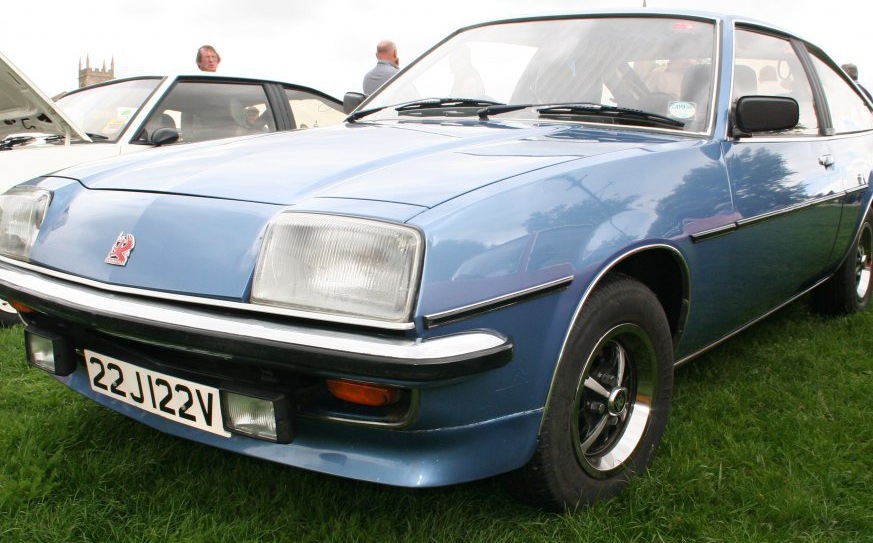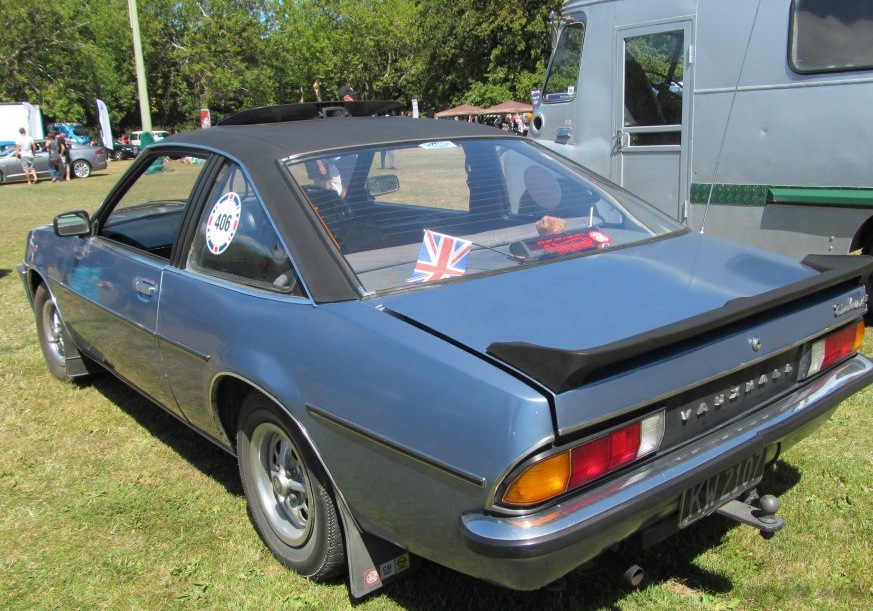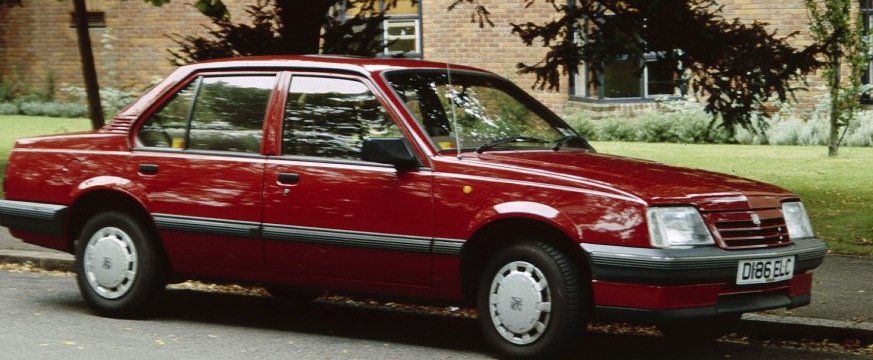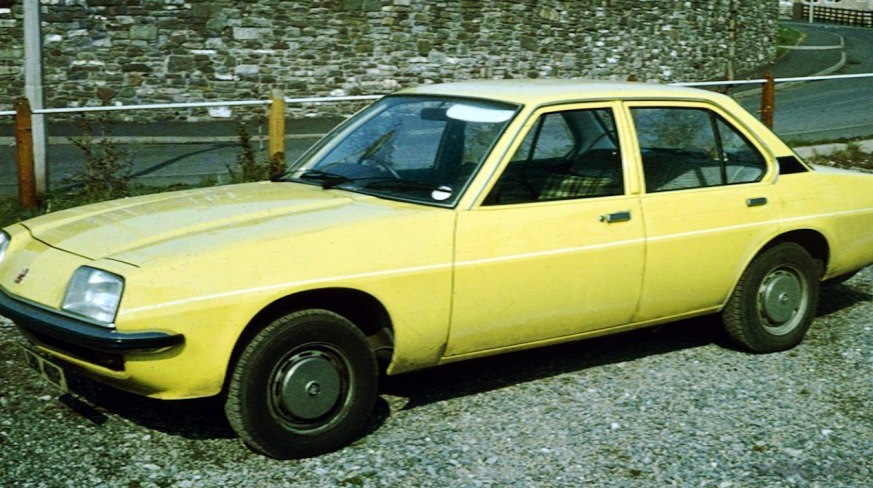
The Vauxhall Cavalier 1.6 S, produced between 1975 and 1976, represented an entry-level offering within the first generation (A-Series) of the Cavalier. Positioned as a practical and affordable family saloon, it served as the foundation for the model range, offering a balance between economy and usability. The Cavalier, launched as Vauxhall’s replacement for the Victor and Ventora, aimed to compete with Ford’s Cortina and other mid-size European saloons. This initial iteration of the Cavalier was based on the Opel Ascona B, reflecting Vauxhall’s close ties with its German parent company.
Technical Specifications
| Brand | Vauxhall |
| Model | Cavalier |
| Generation | Cavalier (A-Series) |
| Type (Engine) | 1.6 S (75 Hp) |
| Start of production | 1975 |
| End of production | 1976 |
| Powertrain Architecture | Internal Combustion Engine |
| Body type | Sedan |
| Seats | 5 |
| Doors | 4 |
| Fuel Type | Petrol (Gasoline) |
| Power | 75 Hp |
| Engine Model/Code | 16S |
| Engine aspiration | Naturally aspirated |
| Engine oil capacity | 3.8 l (4.02 US qt | 3.34 UK qt) |
| Coolant capacity | 6.5 l (6.87 US qt | 5.72 UK qt) |
| Drivetrain | Rear wheel drive |
Powertrain & Engine Architecture
The 1.6 S variant was powered by a 1584cc, naturally aspirated four-cylinder engine designated as the 16S. This engine was a relatively simple design, featuring a single overhead camshaft (SOHC) and a two-barrel carburetor. The engine’s architecture was typical for the era, prioritizing reliability and ease of maintenance over outright performance. The 75 horsepower output was achieved at approximately 5,400 rpm, while peak torque, around 98 lb-ft, was delivered at 3,200 rpm. The engine utilized a conventional distributor ignition system. Transmission options were limited, with a four-speed manual gearbox being the most common pairing, though a three-speed automatic transmission was also available, albeit less frequently specified. The automatic transmission, a Borg-Warner unit, was geared towards smooth operation rather than sporty acceleration.
Driving Characteristics
The Cavalier 1.6 S, particularly in automatic guise, offered a comfortable but unhurried driving experience. Acceleration was modest, with a 0-60 mph time estimated to be around 14-16 seconds. The rear-wheel-drive layout provided predictable handling, but the relatively soft suspension setup prioritized ride comfort over sharp cornering. The automatic transmission, while providing convenience, did detract from the engine’s available power, resulting in noticeable gear changes and a less responsive feel compared to the manual version. The gear ratios in the automatic were spaced to favor fuel economy and cruising ability, rather than spirited driving. Compared to later, more powerful Cavalier variants, such as those equipped with larger engines or fuel injection, the 1.6 S felt noticeably underpowered, especially when fully loaded with passengers and luggage.
Equipment & Trim Levels
The 1.6 S trim level represented the base model in the Cavalier range. Standard equipment was fairly basic, reflecting its position as an affordable family car. Interior appointments typically included cloth upholstery, vinyl door cards, and a simple dashboard layout. Features such as a radio, heater, and basic instrumentation were standard. Optional extras included a sunroof, upgraded upholstery, and a more comprehensive instrument cluster. The exterior trim was minimal, with chrome bumpers and relatively simple steel wheels being the norm. The ‘S’ designation indicated a slightly more sporting trim level than the base model, but the differences were largely cosmetic.
Chassis & Braking
The Cavalier’s chassis was a traditional body-on-frame construction, providing a robust and durable platform. The front suspension utilized independent coil springs and wishbones, while the rear suspension employed a live axle with leaf springs. Braking was initially provided by drum brakes on all four wheels, although some later models featured front disc brakes. The braking system was adequate for the car’s performance, but lacked the stopping power of more modern systems. Steering was of the recirculating ball type, offering a relatively heavy but precise feel. Stabilizer bars were not typically fitted to the base 1.6 S model, contributing to the car’s softer ride and increased body roll.
Market Reception & Comparison
The Vauxhall Cavalier 1.6 S was generally well-received as a practical and affordable family saloon. Critics praised its comfortable ride and spacious interior, but noted its lack of outright performance. Compared to its rivals, such as the Ford Cortina, the Cavalier offered a similar level of practicality and affordability, but was often perceived as being slightly less refined. The 1.6 S variant was often seen as a sensible choice for those prioritizing economy and reliability over performance. Fuel economy was reasonable for the time, averaging around 28-32 mpg. Reliability was generally good, although the carburetor could require occasional adjustment. The automatic transmission, while convenient, was considered less reliable than the manual gearbox.
Legacy
The Cavalier 1.6 S, while not a particularly groundbreaking vehicle, played an important role in establishing the Cavalier as a popular family car in the UK. The powertrain, while simple, proved to be relatively durable and is still found in serviceable condition in classic car circles today. The 16S engine, in its various iterations, continued to be used in other Vauxhall and Opel models for several years. In the used car market, the 1.6 S variant is often sought after by enthusiasts looking for a classic British saloon that is relatively affordable to maintain and restore. However, finding well-preserved examples can be challenging, as many were used as everyday transport and have succumbed to rust or neglect. The car represents a snapshot of 1970s British motoring, offering a glimpse into a time when practicality and affordability were paramount.