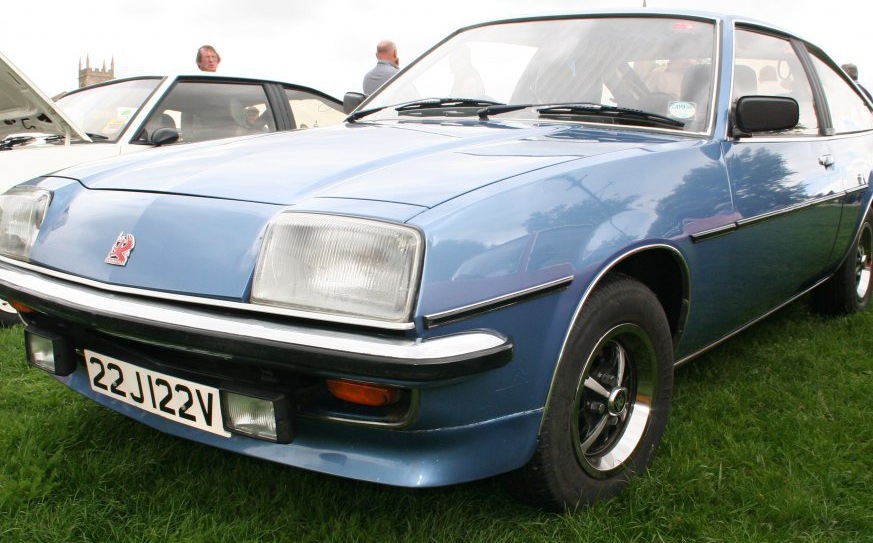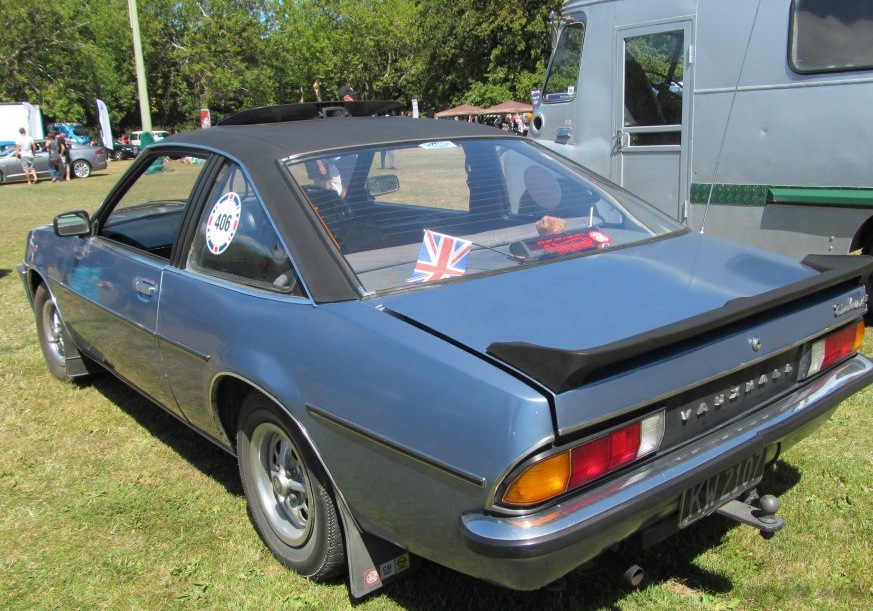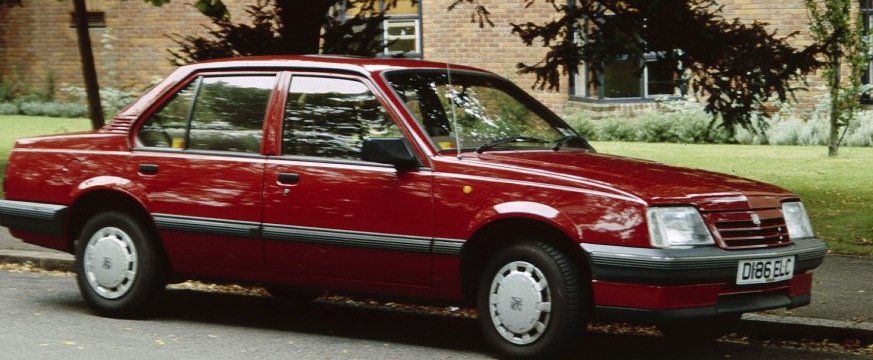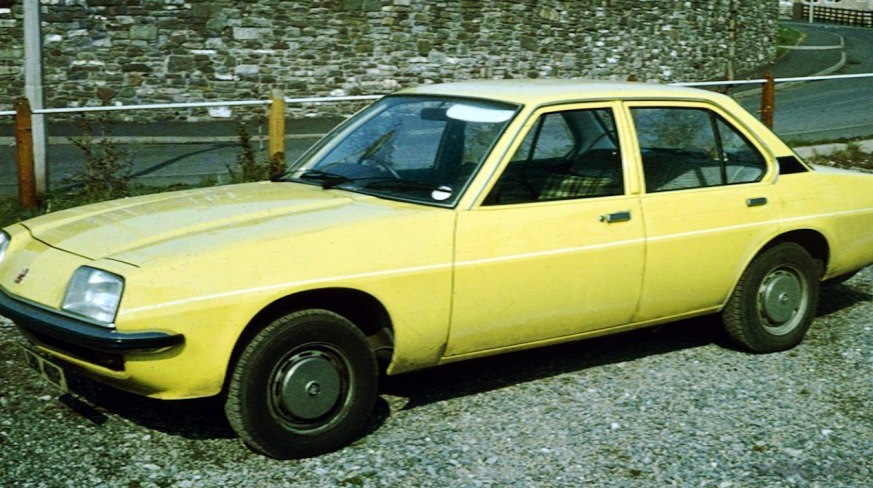
The Vauxhall Cavalier 2.0 S, produced between 1977 and 1979, represented a mid-range offering within the second generation (Mk2) Cavalier lineup. This generation, based on the Opel Ascona B, aimed to provide a comfortable and practical family saloon for the British market. The 2.0 S trim, with its 100 horsepower engine, positioned itself as a step up from the base models, offering a blend of performance and affordability. It was a key player in Vauxhall’s attempt to compete with rivals like the Ford Cortina and Morris Marina in the increasingly competitive British automotive landscape.
Technical Specifications
| Brand | Vauxhall |
| Model | Cavalier |
| Generation | Cavalier (Mk2) |
| Type (Engine) | 2.0 S (100 Hp) |
| Start of production | 1977 |
| End of production | 1979 |
| Powertrain Architecture | Internal Combustion Engine |
| Body type | Sedan |
| Seats | 5 |
| Doors | 4 |
| Fuel Type | Petrol (Gasoline) |
| Power | 100 Hp |
| Engine Model/Code | 20S |
| Engine aspiration | Naturally aspirated |
| Engine oil capacity | 3.8 l (4.02 US qt | 3.34 UK qt) |
| Coolant capacity | 6.2 l (6.55 US qt | 5.46 UK qt) |
| Drivetrain | Rear wheel drive |
Powertrain & Engine Architecture
The heart of the Cavalier 2.0 S was the 20S engine, a 1998cc (approximately 2.0 liters) inline-four cylinder petrol engine. This engine was a naturally aspirated unit, meaning it did not employ forced induction like a turbocharger or supercharger. It featured a single overhead camshaft (SOHC) valvetrain, operating two valves per cylinder. Fuel delivery was managed by a Zenith 36 VN carburetor, a common setup for the era. While not the most technologically advanced fuel system, it provided reliable operation and acceptable performance for the target market. The engine’s 100 horsepower output was achieved at approximately 5200 rpm, with peak torque of around 128 lb-ft (174 Nm) delivered at 3200 rpm. The engine was mated to either a four-speed manual gearbox or a three-speed automatic transmission. The automatic transmission, a Borg Warner unit, was a popular choice for buyers prioritizing ease of driving over outright performance.
Driving Characteristics
The Cavalier 2.0 S, particularly in automatic guise, offered a comfortable and relaxed driving experience. The automatic transmission, while providing smooth shifts, did impact acceleration compared to the manual version. The 0-60 mph time was estimated to be around 12-13 seconds, which was respectable for the time but not particularly sporty. The rear-wheel-drive layout provided balanced handling, although it lacked the sophistication of more modern suspension systems. The steering was relatively light, making it easy to maneuver in urban environments. The automatic transmission’s gear ratios were geared towards fuel economy and cruising comfort, rather than aggressive acceleration. The engine provided adequate power for overtaking maneuvers on the open road, but required careful planning. Compared to the base 1.3L models, the 2.0 S offered a noticeable improvement in performance, making it a more enjoyable car for longer journeys.
Equipment & Trim Levels
The “S” designation in the Cavalier 2.0 S indicated a slightly more upscale trim level. Standard equipment included cloth upholstery, a basic instrument panel with speedometer, fuel gauge, and temperature gauge, and a four-spoke steering wheel. The interior was generally functional and durable, reflecting the car’s focus on practicality. Optional extras included a vinyl roof, upgraded stereo systems, and tinted glass. The Cavalier 2.0 S typically featured a more comprehensive range of exterior trim compared to the base models, including chrome bumpers and brightwork. The interior trim colors were typically subdued, with options like brown or blue cloth upholstery being common.
Chassis & Braking
The Cavalier 2.0 S utilized a traditional body-on-frame construction, which was common for cars of this era. The front suspension consisted of independent coil springs and wishbones, while the rear suspension employed a live axle with leaf springs. This setup provided a comfortable ride, but it wasn’t particularly sophisticated in terms of handling. The braking system consisted of disc brakes on the front wheels and drum brakes on the rear wheels. The brakes were adequate for normal driving conditions, but lacked the stopping power of more modern braking systems. The steering was a recirculating ball system, which provided a relatively light steering feel but lacked precision. Stabilizer bars were fitted to both the front and rear axles to reduce body roll during cornering.
Market Reception & Comparison
The Vauxhall Cavalier 2.0 S was generally well-received by the British motoring press. Critics praised its comfortable ride, spacious interior, and relatively affordable price. However, some reviewers noted that the performance was not particularly exciting, especially with the automatic transmission. Compared to the Ford Cortina, the Cavalier was often seen as being slightly less refined but more modern in its styling. The 2.0 S offered a good balance between performance and economy, making it a popular choice for family buyers. Fuel economy was around 25-30 mpg, which was typical for a car of this size and engine capacity in the late 1970s. Reliability was generally good, although the Zenith carburetor could sometimes require adjustment.
Legacy
The Vauxhall Cavalier 2.0 S, while not a particularly groundbreaking vehicle, played an important role in the British automotive market of the late 1970s. The 20S engine proved to be a durable and reliable unit, and many examples are still on the road today. The automatic transmission, while not known for its performance, provided a comfortable and convenient driving experience. The Cavalier 2.0 S has become a popular choice among classic car enthusiasts, and well-maintained examples are increasingly sought after. Its relatively simple mechanical design makes it relatively easy to maintain and repair, contributing to its enduring appeal. The car represents a snapshot of British motoring in a bygone era, offering a glimpse into the design and technology of the late 1970s.