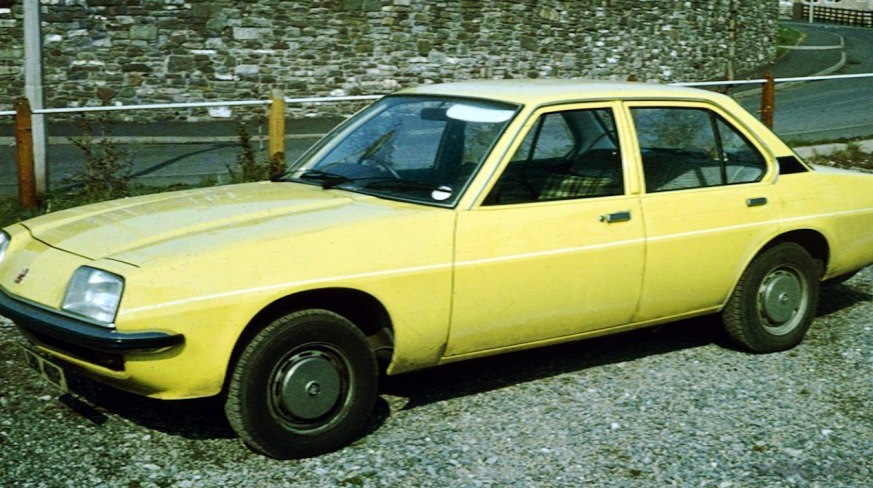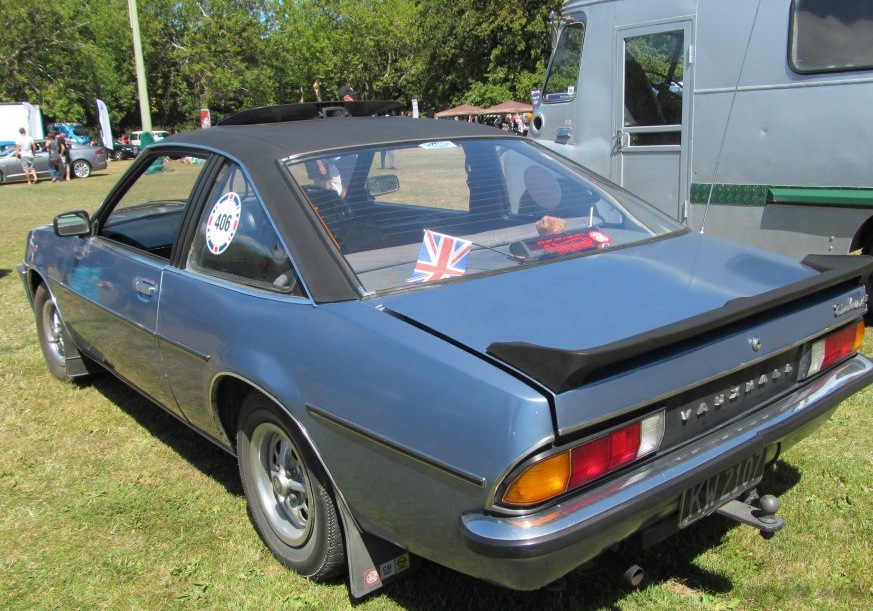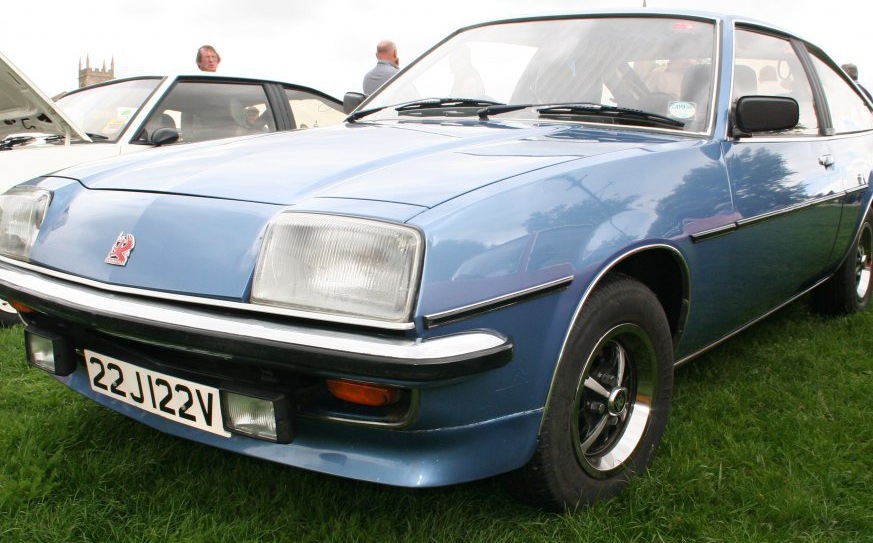
The Vauxhall Cavalier CC 2000, produced between 1977 and 1979, was a notable iteration of Vauxhall’s popular family car. Part of the second-generation Cavalier (CC), this variant was positioned as a more performance-oriented offering within the range, appealing to drivers seeking a blend of practicality and spirited driving. The “CC” designation signified a coupe-like body style, differentiating it from the more conventional saloon versions. This model played a key role in establishing the Cavalier as a strong competitor in the British and European mid-size car market, offering a rear-wheel drive experience increasingly uncommon in its class.
Technical Specifications
| Brand | Vauxhall |
| Model | Cavalier |
| Generation | Cavalier CC |
| Type (Engine) | 2000 (100 Hp) |
| Start of production | 1977 |
| End of production | 1979 |
| Powertrain Architecture | Internal Combustion engine |
| Body type | Hatchback |
| Seats | 4 |
| Doors | 3 |
| Fuel Type | Petrol (Gasoline) |
| Power | 100 Hp @ 5400 rpm |
| Power per litre | 50.5 Hp/l |
| Torque | 158 Nm @ 3800 rpm |
| Torque (lb-ft) | 116.53 lb.-ft. @ 3800 rpm |
| Engine layout | Front, Longitudinal |
| Engine Model/Code | 20S |
| Engine displacement | 1979 cm3 |
| Engine displacement (cu. in.) | 120.77 cu. in. |
| Number of cylinders | 4 |
| Engine configuration | Inline |
| Compression ratio | 9:1 |
| Engine aspiration | Naturally aspirated engine |
| Engine oil capacity | 3.8 l |
| Engine oil capacity (US qt) | 4.02 US qt |
| Engine oil capacity (UK qt) | 3.34 UK qt |
| Coolant capacity | 6.2 l |
| Coolant capacity (US qt) | 6.55 US qt |
| Coolant capacity (UK qt) | 5.46 UK qt |
| Trunk (boot) space – minimum | 384 l |
| Trunk (boot) space – minimum (cu. ft.) | 13.56 cu. ft. |
| Fuel tank capacity | 50 l |
| Fuel tank capacity (US gal) | 13.21 US gal |
| Fuel tank capacity (UK gal) | 11 UK gal |
| Length | 4445 mm |
| Length (in.) | 175 in. |
| Width | 1670 mm |
| Width (in.) | 65.75 in. |
| Height | 1330 mm |
| Height (in.) | 52.36 in. |
| Wheelbase | 2515 mm |
| Wheelbase (in.) | 99.02 in. |
| Minimum turning circle (turning diameter) | 9.9 m |
| Minimum turning circle (turning diameter) (ft) | 32.48 ft. |
| Drivetrain Architecture | The Internal combustion engine (ICE) drives the rear wheels of the vehicle. |
| Drive wheel | Rear wheel drive |
| Number of gears and type of gearbox | 4 gears, manual transmission |
| Front brakes | Disc |
| Rear brakes | Drum |
| Steering type | Steering rack and pinion |
Powertrain & Engine Architecture
The Cavalier CC 2000 was powered by the 20S engine, a 1979cc inline-four cylinder petrol engine. This engine featured a naturally aspirated configuration and a compression ratio of 9:1. The 20S engine was known for its relatively simple design, contributing to its robustness and ease of maintenance. Fuel delivery was managed by a carburetor system, typical for the era. The engine’s valvetrain employed an overhead camshaft design. The four-speed manual transmission was a key component of the driving experience, offering a direct connection between the engine and the rear wheels. This rear-wheel drive layout was becoming less common in the segment, offering a different dynamic compared to the increasingly popular front-wheel drive alternatives.
Driving Characteristics
The 100 horsepower output of the 2000 engine, coupled with the four-speed manual gearbox, provided a reasonably engaging driving experience for the time. While not a sports car, the Cavalier CC 2000 offered respectable acceleration and a willingness to rev. The rear-wheel drive configuration contributed to balanced handling, although it lacked the inherent stability of front-wheel drive cars in slippery conditions. The gear ratios were tuned for a balance between everyday usability and occasional spirited driving. Compared to potential future iterations with fuel injection or more advanced engine management systems, this setup felt somewhat raw and mechanical, but also provided a direct and connected feel. The engine delivered its peak torque at 3800 rpm, making it reasonably flexible for overtaking maneuvers, though it required downshifting for more urgent acceleration.
Equipment & Trim Levels
The Cavalier CC 2000, while not a luxury vehicle, offered a reasonable level of equipment for its price point. Standard features typically included cloth upholstery, basic instrumentation (speedometer, fuel gauge, temperature gauge), and a steering wheel. Trim levels were relatively limited, with the 2000 representing a mid-range offering. It sat above the base models with smaller engines and fewer features, but below any potential higher-performance or luxury-oriented trims that might have been offered. Optional extras could include a radio, upgraded interior trim, and potentially a sunroof. The interior design was functional and straightforward, prioritizing practicality over lavishness. The dashboard layout was simple, with controls logically placed for ease of use.
Chassis & Braking
The Cavalier CC 2000 utilized a conventional chassis design with independent front suspension and a live axle rear suspension. Front brakes were disc brakes, providing adequate stopping power, while the rear brakes were drum brakes, a cost-saving measure common in this class of vehicle. The steering system employed a rack and pinion setup, offering precise and responsive steering. Stabilizer bars were typically fitted to the front suspension to reduce body roll during cornering. The suspension tuning aimed for a compromise between ride comfort and handling stability. The rear live axle, while robust, did contribute to a less refined ride quality compared to independent rear suspension systems.
Market Reception & Comparison
The Vauxhall Cavalier CC 2000 was generally well-received by the British motoring press. Critics praised its spacious interior, comfortable ride, and relatively strong performance. However, some noted the somewhat dated carburetor-based fuel system and the lack of modern features compared to some of its rivals. Compared to other trims in the Cavalier lineup, the 2000 offered a step up in performance and driving engagement compared to the smaller-engined models, but lacked the outright performance of any potential future high-performance variants. Fuel economy was typical for the era, around 25-30 mpg, and reliability was generally considered good, although maintenance costs could be higher due to the rear-wheel drive layout and the need for periodic carburetor adjustments. It competed with models like the Ford Cortina and Morris Marina, offering a similar blend of practicality and affordability.
Legacy
The Vauxhall Cavalier CC 2000 holds a nostalgic place in the hearts of many British car enthusiasts. The 20S engine, while not particularly sophisticated, proved to be durable and relatively easy to maintain. Today, surviving examples are sought after by classic car collectors and enthusiasts. The rear-wheel drive configuration and the relatively simple mechanical design make it an appealing choice for those who enjoy a more traditional driving experience. While not a groundbreaking vehicle, the Cavalier CC 2000 represented a solid and dependable family car that played a significant role in Vauxhall’s success during the late 1970s. Its enduring appeal lies in its blend of practicality, affordability, and a touch of driving character. The car represents a transitional period in automotive engineering, bridging the gap between older, simpler designs and the more technologically advanced vehicles that would follow.