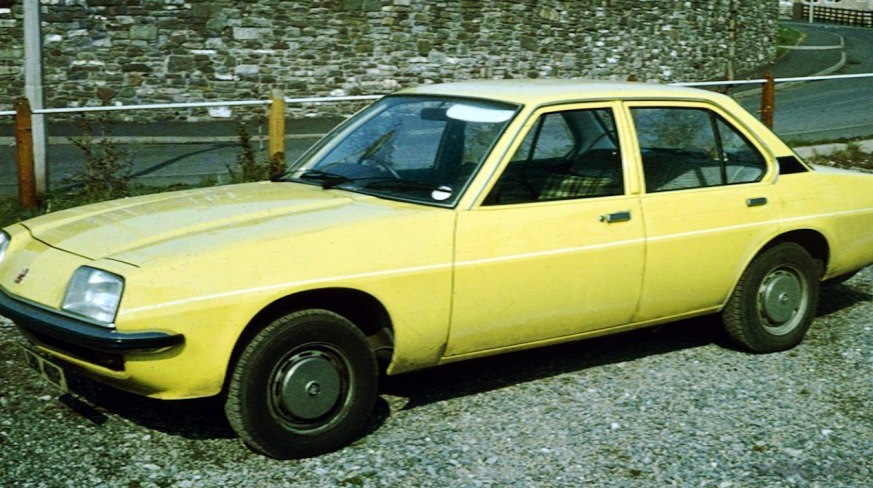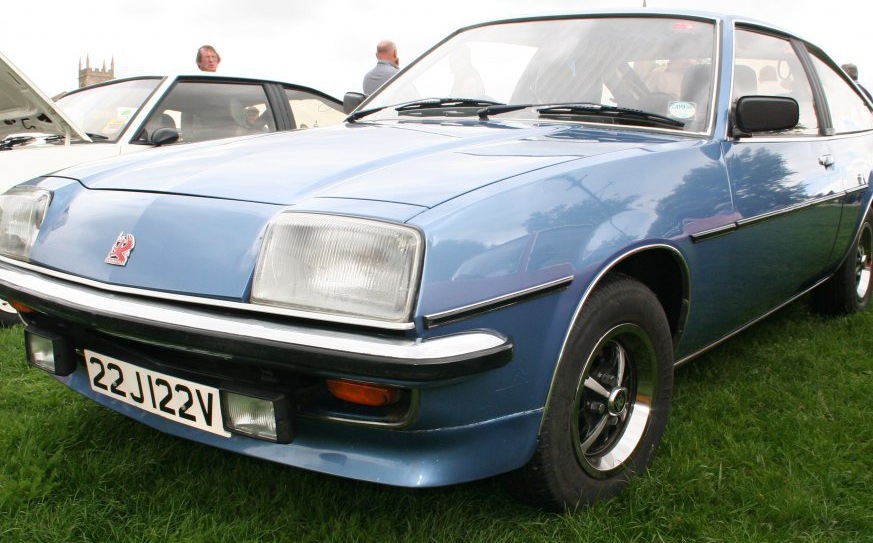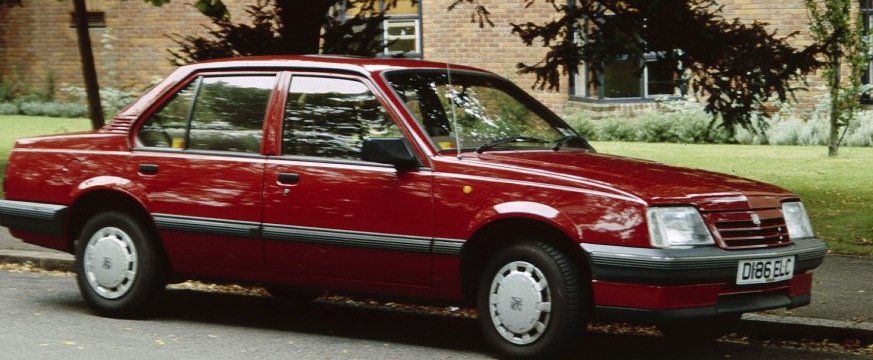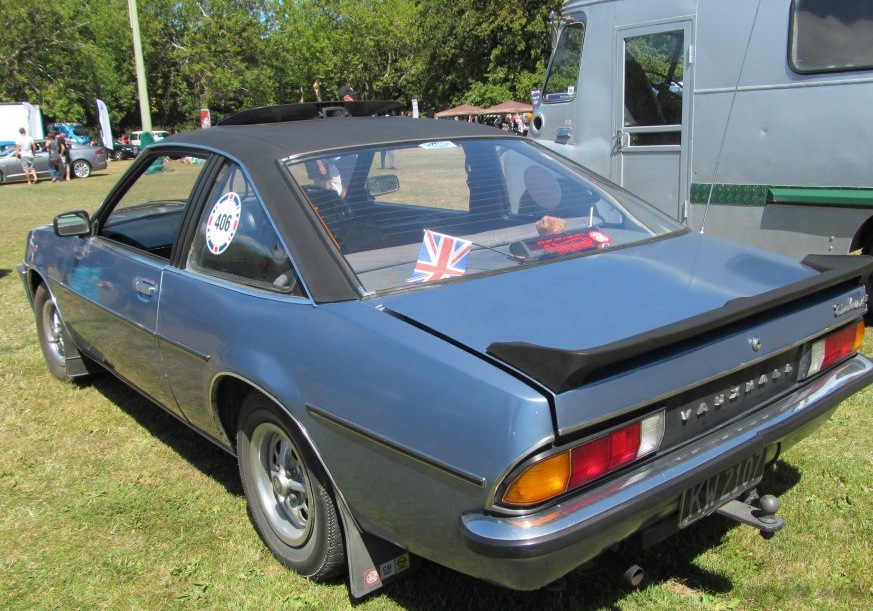
The Vauxhall Cavalier Coupe 1.9 S (90 hp), produced between 1975 and 1979, represented a key offering in the second generation (BC) Cavalier lineup. Positioned as a stylish and relatively affordable coupe, it aimed to capture a segment of the British market seeking a sporty, yet practical, two-door vehicle. The BC Cavalier, launched in 1975, was a significant departure from the earlier, more utilitarian models, adopting a more modern and European-influenced design. The 1.9 S trim, with its 90 horsepower engine and typically automatic transmission, occupied a mid-range position within the coupe variants, offering a balance between performance and economy.
Technical Specifications
| Brand | Vauxhall |
| Model | Cavalier |
| Generation | Cavalier Coupe (BC) |
| Type (Engine) | 1.9 S (90 Hp) |
| Start of production | 1975 |
| End of production | 1979 |
| Powertrain Architecture | Internal Combustion Engine |
| Body type | Coupe |
| Seats | 5 |
| Doors | 2 |
| Fuel Type | Petrol (Gasoline) |
| Power | 90 Hp |
| Engine Model/Code | 19S |
| Engine aspiration | Naturally aspirated |
| Engine oil capacity | 3.8 l (4.02 US qt | 3.34 UK qt) |
| Coolant capacity | 6.1 l (6.45 US qt | 5.37 UK qt) |
| Drivetrain | Rear wheel drive |
Powertrain & Engine Architecture
The heart of the Cavalier Coupe 1.9 S was the 19S engine, a 1897cc (approximately 1.9 liters) inline-four cylinder petrol engine. This engine was a naturally aspirated unit, meaning it did not employ forced induction like a turbocharger or supercharger. It featured a single overhead camshaft (SOHC) valvetrain, operating two valves per cylinder. Fuel delivery was managed by a Zenith-Stromberg carburetor, a common setup for British cars of this era. While not particularly sophisticated by modern standards, the carburetor provided adequate fuel atomization for the engine’s output. The 19S engine was known for its relative simplicity and ease of maintenance. The automatic transmission offered with this variant was typically a three-speed unit, providing smooth, if not particularly rapid, gear changes. The transmission was geared towards comfortable cruising rather than outright performance.
Driving Characteristics
The 1.9 S automatic offered a comfortable, but not exhilarating, driving experience. With 90 horsepower propelling a relatively lightweight coupe, acceleration was adequate for everyday driving, but it wouldn’t be considered sporty by today’s standards. The three-speed automatic transmission, while providing convenience, did detract from the engine’s potential. Gear ratios were optimized for fuel economy and smooth cruising, resulting in a noticeable delay during kickdown for overtaking maneuvers. Compared to the manual transmission versions of the 1.9, the automatic suffered a slight performance penalty. The manual offered more direct control and allowed the engine to rev more freely. Higher-spec Cavalier Coupes, equipped with larger engines like the 2.3-liter, provided significantly more power and a more engaging driving experience, but at a higher price point. The rear-wheel drive configuration provided a balanced feel, although handling was not as precise as more modern front-wheel drive cars.
Equipment & Trim Levels
The “S” designation in 1.9 S indicated a slightly more upscale trim level compared to the base Cavalier Coupe. Standard equipment typically included cloth upholstery, a basic instrument cluster, and a four-spoke steering wheel. Interior appointments were functional rather than luxurious, reflecting the car’s price point. Optional extras included a vinyl roof, upgraded stereo systems, and tinted glass. The dashboard layout was straightforward, with clearly marked gauges for speed, fuel level, and coolant temperature. The interior space was reasonable for a coupe, offering comfortable seating for two adults and limited space for rear passengers. The 1.9 S often featured a chrome trim around the windows and along the body sides, differentiating it from the more basic models.
Chassis & Braking
The Cavalier Coupe utilized a body-on-frame construction, a common practice for cars of this era. The suspension consisted of independent front suspension with coil springs and a live axle rear suspension with leaf springs. This setup provided a comfortable ride, but wasn’t particularly sophisticated in terms of handling. Braking was typically accomplished with disc brakes on the front wheels and drum brakes on the rear. The braking system was adequate for normal driving conditions, but lacked the stopping power of more modern systems. Stabilizer bars were often included, helping to reduce body roll during cornering. The chassis was designed to provide a balance between comfort and handling, prioritizing ride quality over sporty performance.
Market Reception & Comparison
The Vauxhall Cavalier Coupe 1.9 S was generally well-received by the British motoring press as a stylish and affordable coupe. Critics praised its comfortable ride and relatively spacious interior. However, the automatic transmission was often criticized for its sluggishness and lack of responsiveness. Compared to rivals like the Ford Capri, the Cavalier Coupe offered a more modern design and a slightly more refined interior. However, the Capri often had the edge in terms of performance, particularly with its larger engine options. Fuel economy for the 1.9 S automatic was reasonable for the time, averaging around 25-30 miles per gallon. Reliability was generally good, although the carburetor required periodic adjustment and maintenance. The 1.9 S offered a compelling value proposition for buyers seeking a stylish and practical coupe without breaking the bank.
Legacy
The Vauxhall Cavalier Coupe 1.9 S, while not a groundbreaking vehicle, holds a nostalgic place in the hearts of many British car enthusiasts. The 19S engine proved to be a durable and reliable unit, and many examples are still on the road today. The car’s simple mechanical design makes it relatively easy to maintain and repair. In the used car market, well-maintained examples of the 1.9 S Coupe are becoming increasingly collectible, particularly those with low mileage and original features. The Cavalier Coupe represented a significant step forward for Vauxhall, establishing the brand as a competitor in the stylish coupe market. It remains a popular choice for classic car enthusiasts seeking a taste of 1970s British motoring.