Technical Specifications
| Brand | Vauxhall |
| Model | Cavalier |
| Generation | Cavalier Mk II |
| Type (Engine) | 1.3 N (60 Hp) |
| Start of production | 1981 |
| End of production | 1986 |
| Powertrain Architecture | Internal Combustion engine |
| Body type | Sedan |
| Seats | 5 |
| Doors | 4 |
| Fuel Type | Petrol (Gasoline) |
| Power | 60 Hp |
| Engine Model/Code | 13N, 13NB |
| Engine aspiration | Naturally aspirated engine |
| Engine oil capacity | 2.5 l (2.64 US qt | 2.2 UK qt) |
| Coolant capacity | 6.5 l (6.87 US qt | 5.72 UK qt) |
| Drivetrain | Front wheel drive |
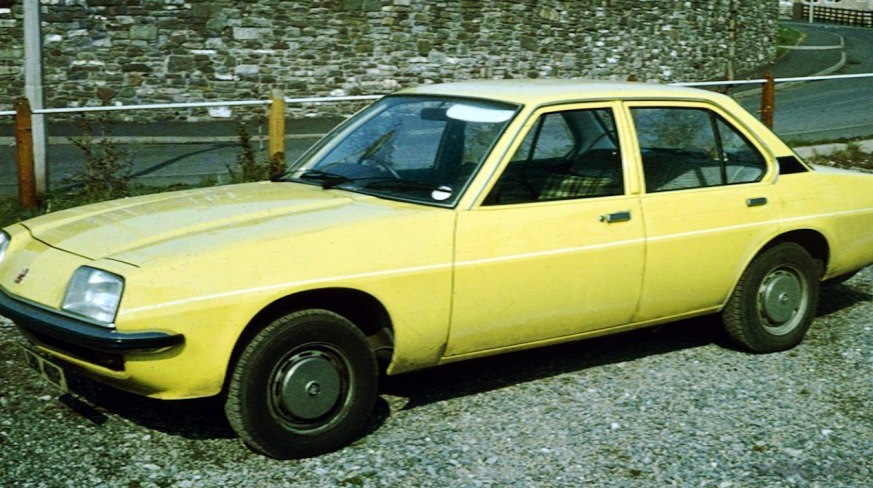
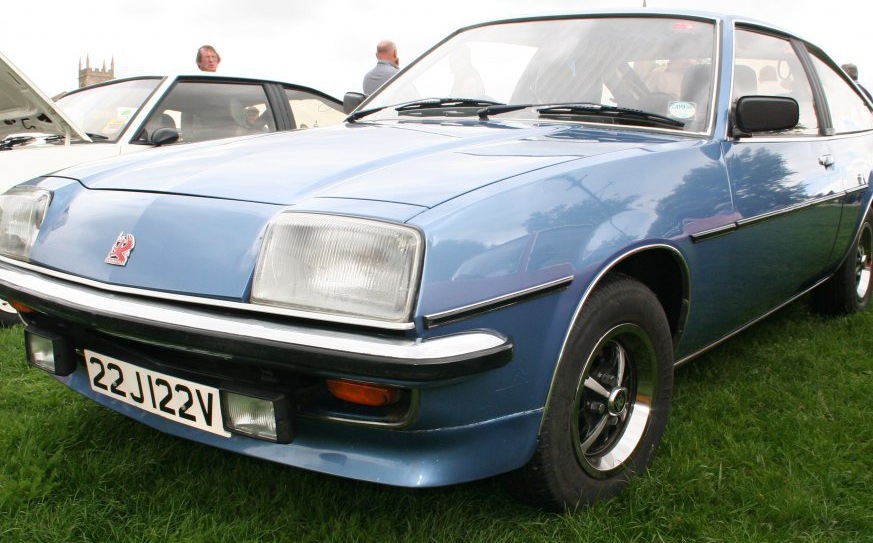
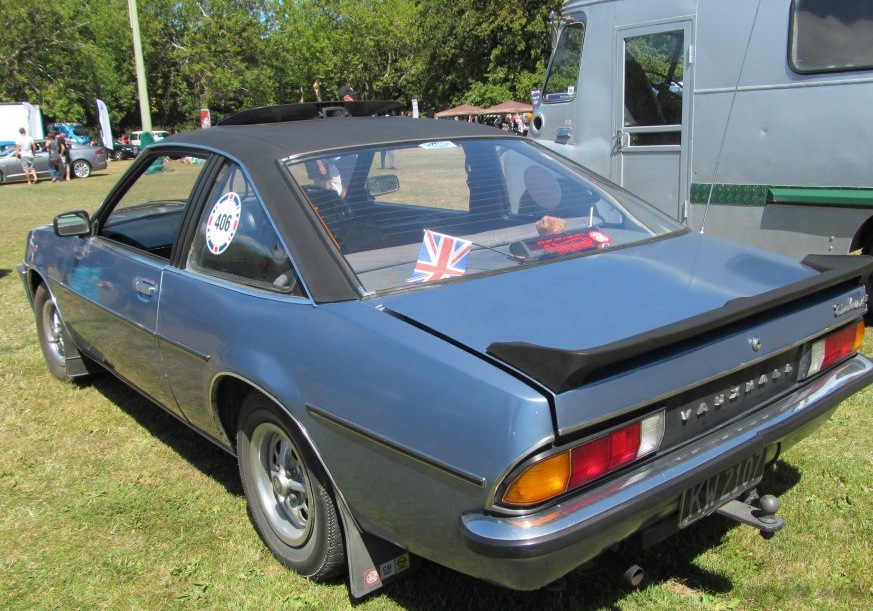
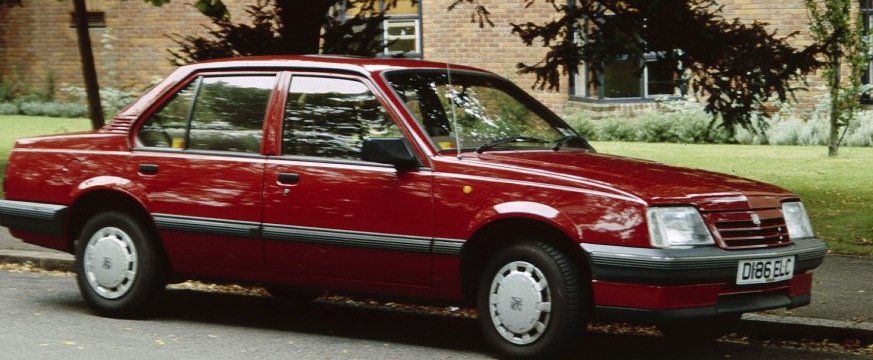
The Vauxhall Cavalier Mk II 1.3 N, produced between 1981 and 1986, served as the entry point into the second generation of Vauxhall’s popular family saloon. Positioned as an affordable and economical option, this variant was instrumental in establishing the Mk II Cavalier as a mainstream choice for British motorists. It was part of a broader Mk II range designed to modernize Vauxhall’s offerings and compete effectively with rivals like the Ford Cortina and Austin Ambassador. The 1.3 N engine, typically paired with a four-speed manual transmission (though an automatic was available, albeit less common), offered a balance of practicality and running costs, appealing to both private buyers and fleet operators.
Powertrain & Engine Architecture
The heart of the Cavalier Mk II 1.3 N was the 13N (and later 13NB) engine, a 1296cc inline-four cylinder petrol engine. This engine was a relatively simple design, featuring a single overhead camshaft (SOHC) operating two valves per cylinder. Fuel delivery was managed by a single Zenith-Stromberg carburetor, a common setup for engines of this era. The 13N engine was known for its durability and ease of maintenance, though it wasn’t particularly powerful. The 13NB variant, introduced later in the production run, featured minor revisions aimed at improving fuel efficiency and reducing emissions. The engine produced 60 horsepower at approximately 5,400 rpm and 72 lb-ft of torque at 3,200 rpm. The majority of these cars were equipped with a four-speed manual gearbox, although a three-speed automatic transmission was offered as an option, less frequently chosen due to its impact on fuel economy and performance. The automatic transmission, a Borg Warner unit, was known for its smooth operation but contributed to slower acceleration times.
Driving Characteristics
The driving experience in the Cavalier 1.3 N was characterized by its practicality and ease of use rather than outright performance. With 60 horsepower propelling a car weighing around 2,300 pounds, acceleration was modest. 0 to 60 mph times were typically in the 14-16 second range. The four-speed manual gearbox offered a reasonable level of control, allowing drivers to make the most of the engine’s limited power. The automatic transmission, while convenient, noticeably dulled acceleration and increased fuel consumption. The steering was light and relatively precise, making the car easy to maneuver in urban environments. The suspension, while not particularly sophisticated, provided a comfortable ride on most road surfaces. Compared to the larger-engined Cavalier variants, such as the 1.6 and 2.0-litre models, the 1.3 N felt noticeably underpowered, particularly when carrying a full load of passengers or luggage. However, its lighter weight and simpler mechanicals made it a more forgiving and economical option for everyday driving.
Equipment & Trim Levels
The Cavalier Mk II 1.3 N was typically offered in a basic trim level, reflecting its position as the entry-level model. Standard equipment included cloth upholstery, a basic instrument panel with speedometer, fuel gauge, and temperature gauge, and manually operated windows and door locks. Central locking and electric windows were not typically available on this variant. Optional extras included a radio, a sunroof, and upgraded interior trim. The interior design was functional and durable, prioritizing practicality over luxury. The dashboard layout was straightforward and easy to use, with all essential controls within easy reach of the driver. The exterior styling was relatively understated, with black plastic trim and steel wheels being common features. Higher trim levels, available with the larger engines, offered more luxurious appointments, such as velour upholstery, alloy wheels, and additional convenience features.
Chassis & Braking
The Cavalier Mk II utilized a front-wheel-drive layout with independent suspension at the front and a live axle with trailing arms at the rear. The front suspension featured MacPherson struts, while the rear suspension provided a comfortable, if somewhat unsophisticated, ride. Braking was initially provided by disc brakes at the front and drum brakes at the rear. Later models saw the introduction of rear disc brakes on some trims, but the 1.3 N typically retained the drum brake setup. The braking system was adequate for the car’s performance, but lacked the stopping power of more modern vehicles. Steering was rack and pinion, providing a reasonable level of precision and feedback. Stabilizer bars were fitted to both the front and rear axles to reduce body roll during cornering.
Market Reception & Comparison
The Cavalier Mk II 1.3 N was generally well-received by the British motoring press as a practical and affordable family car. Critics praised its fuel economy and ease of driving, but noted its lack of performance. Compared to the larger-engined Cavalier variants, the 1.3 N offered significantly lower running costs, making it an attractive option for budget-conscious buyers. However, it lacked the refinement and performance of its more expensive siblings. Against rivals like the Ford Cortina and Austin Ambassador, the Cavalier 1.3 N offered a competitive package in terms of price and practicality. Fuel economy was typically around 35-40 mpg, depending on driving conditions. Reliability was generally good, although the carburetor required periodic adjustment and maintenance.
Legacy
The Vauxhall Cavalier Mk II 1.3 N, while not the most exciting variant in the range, played a crucial role in establishing the Mk II Cavalier as a popular and successful family car. Its affordability and practicality made it a popular choice for a wide range of buyers. Today, surviving examples are relatively rare, and well-maintained cars are becoming increasingly sought after by classic car enthusiasts. The 13N engine, while simple in design, proved to be remarkably durable, and many examples are still running reliably after decades of service. The Cavalier Mk II 1.3 N represents a snapshot of British motoring in the early 1980s, offering a glimpse into a time when practicality and affordability were highly valued.