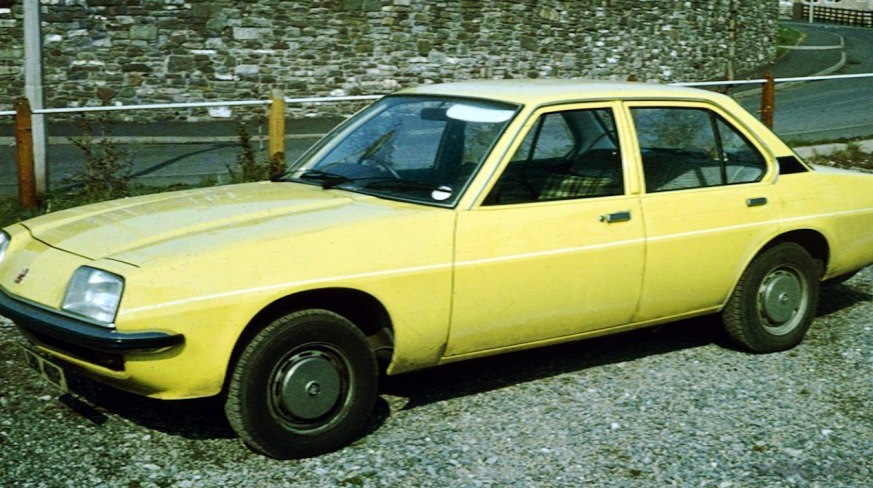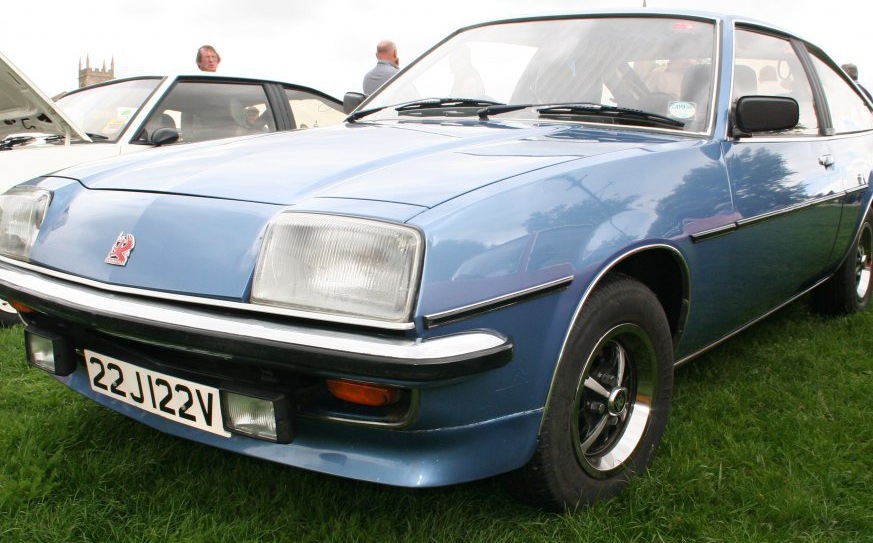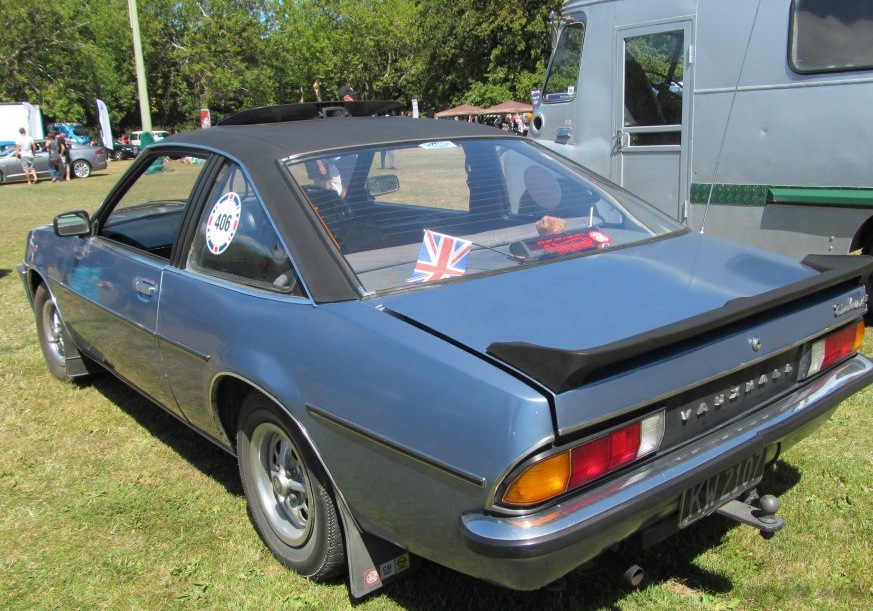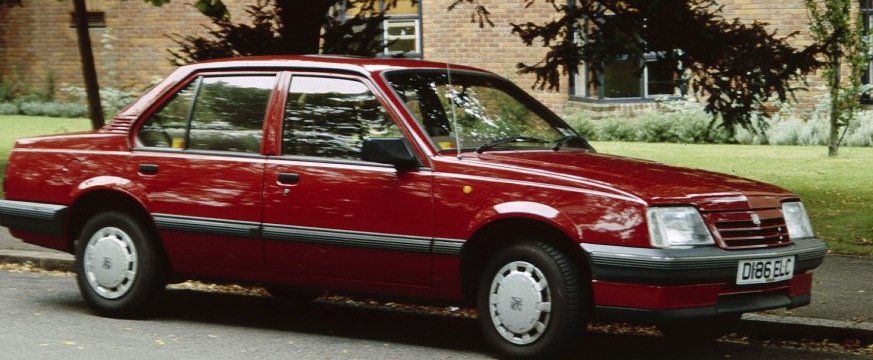
The Vauxhall Cavalier Mk II 1.3 S, produced between 1981 and 1988, represented the entry point into the second generation of Vauxhall’s popular family saloon. Positioned as an affordable and practical option, the 1.3 S utilized a modest engine paired with either a manual or automatic transmission, catering to buyers prioritizing economy and ease of use over outright performance. It was a key model in Vauxhall’s lineup during a period of significant change in the British automotive industry, competing with rivals like the Ford Sierra and Austin Montego. The Mk II Cavalier, built on the GM J-platform, aimed to offer a more modern and refined experience than its predecessor.
Technical Specifications
| Brand | Vauxhall |
| Model | Cavalier |
| Generation | Cavalier Mk II |
| Type (Engine) | 1.3 S (75 Hp) |
| Start of production | 1981 |
| End of production | 1988 |
| Powertrain Architecture | Internal Combustion engine |
| Body type | Sedan |
| Seats | 5 |
| Doors | 4 |
| Fuel Type | Petrol (Gasoline) |
| Power | 75 Hp |
| Engine Model/Code | 13S, 13SC |
| Engine aspiration | Naturally aspirated engine |
| Engine oil capacity | 2.5 l (2.64 US qt | 2.2 UK qt) |
| Coolant capacity | 6.5 l (6.87 US qt | 5.72 UK qt) |
| Drivetrain | Front wheel drive |
Powertrain & Engine Architecture
The heart of the Cavalier 1.3 S was the 1296cc (79.0 cubic inches) four-cylinder engine, designated as either 13S or 13SC depending on minor variations. This engine was a relatively simple, naturally aspirated unit featuring a single overhead camshaft (SOHC) and a two-barrel carburetor. While not known for its power, the engine was designed for reliability and fuel efficiency. The 75 horsepower output was achieved at approximately 5,200 rpm, with peak torque of around 88 lb-ft (120 Nm) delivered at 3,200 rpm. The engine utilized a conventional wet sump lubrication system and a distributor ignition system. The automatic transmission option was typically a three-speed unit, offering smooth but unhurried gear changes. This transmission was chosen by many buyers seeking a comfortable and easy driving experience, particularly in urban environments.
Driving Characteristics
The 1.3 S automatic was not a performance-oriented vehicle. Acceleration was modest, taking around 14-16 seconds to reach 60 mph. The three-speed automatic transmission, while providing convenience, contributed to this leisurely pace. Gear ratios were optimized for fuel economy rather than rapid acceleration. In real-world driving, the car felt best suited to cruising at moderate speeds on highways or navigating city streets. Compared to the manual transmission version, the automatic offered a smoother ride but at the expense of responsiveness. Higher-spec Cavalier models, such as those equipped with the 1.6 or 2.0-liter engines, provided significantly more power and a more engaging driving experience. The 1.3 S, however, filled a niche for buyers who prioritized affordability and ease of use.
Equipment & Trim Levels
The 1.3 S trim level was considered the base model in the Mk II Cavalier range. Standard equipment typically included cloth upholstery, basic instrumentation (speedometer, fuel gauge, temperature gauge), and a four-spoke steering wheel. The interior was functional and durable, though lacking the refinement of higher-spec models. Optional extras included a radio, upgraded upholstery, and central locking. The exterior featured steel wheels with hubcaps, black plastic trim, and relatively simple body styling. The overall impression was one of practicality and value for money. The dashboard layout was straightforward, with clearly labeled controls and a focus on usability.
Chassis & Braking
The Cavalier Mk II utilized a MacPherson strut front suspension and a twist-beam rear suspension. This setup provided a reasonable balance between ride comfort and handling. The 1.3 S models typically featured drum brakes on the rear wheels and disc brakes on the front, providing adequate stopping power for the vehicle’s weight and performance. Stabilizer bars were often omitted on the base models to keep costs down, resulting in slightly more body roll during cornering. The steering was a rack-and-pinion system, offering reasonable precision and feedback. The chassis was designed to be robust and reliable, capable of handling the demands of everyday driving.
Market Reception & Comparison
The Vauxhall Cavalier 1.3 S automatic received mixed reviews from automotive critics. While praised for its affordability and fuel economy (around 30-35 mpg), it was often criticized for its lack of performance. Compared to the 1.6-liter and 2.0-liter models, the 1.3 S felt underpowered, particularly when fully loaded with passengers and luggage. However, it offered a compelling value proposition for buyers on a budget. The Ford Sierra 1.6L was a direct competitor, offering slightly more power but at a higher price point. The Austin Montego 1.5L was another rival, but it was generally considered less refined than the Cavalier. The 1.3 S appealed to a specific segment of the market – those who prioritized practicality and economy over driving excitement.
Legacy
The Cavalier Mk II 1.3 S, while not a particularly sought-after classic today, represents a significant piece of British automotive history. The powertrain, while simple, proved to be relatively reliable, and many examples are still on the road today. However, age and corrosion are common issues with these vehicles. The 1.3 S automatic is often viewed as a dependable and affordable classic car, ideal for those seeking a nostalgic driving experience. Parts availability can be a challenge, but many components are still available from specialist suppliers. The car’s enduring appeal lies in its simplicity, affordability, and its representation of a bygone era of British motoring. It serves as a reminder of a time when cars were built for practicality and durability rather than outright performance and technological sophistication.