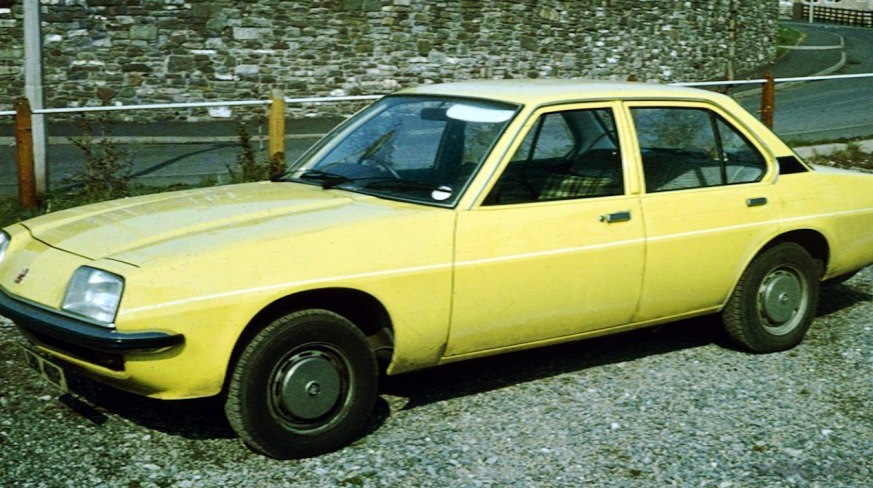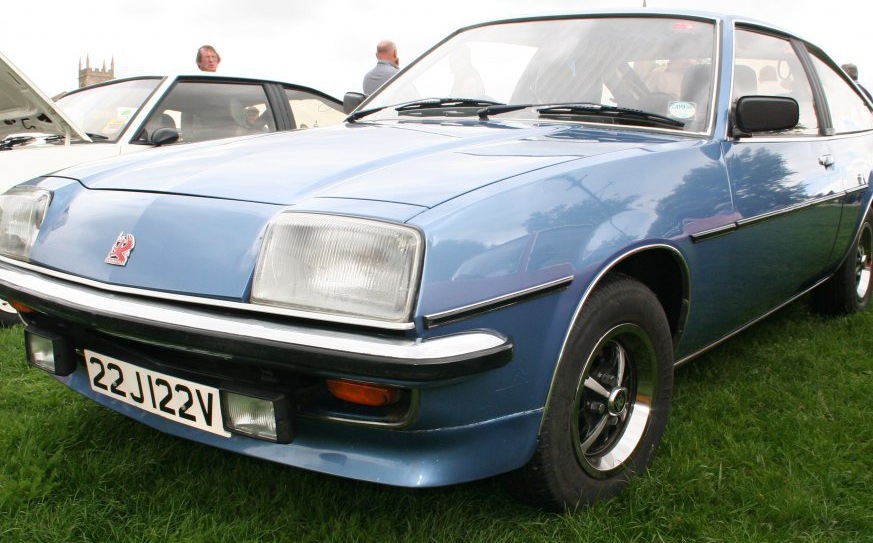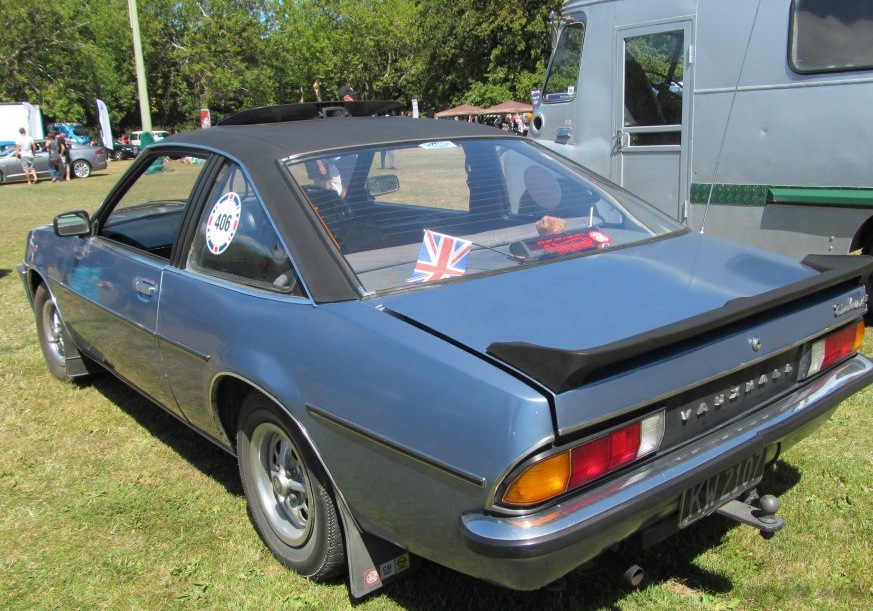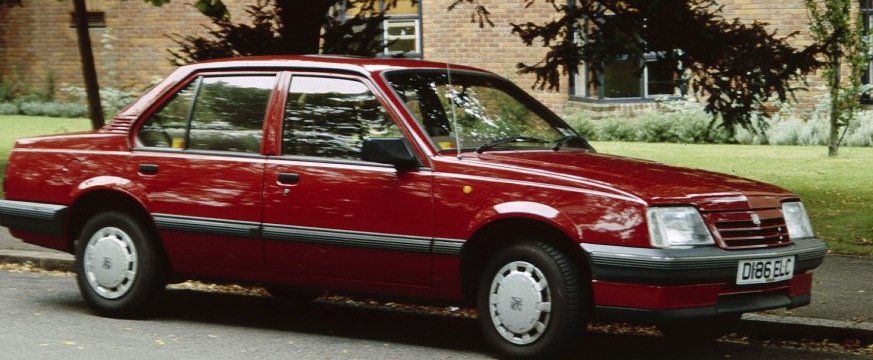
The Vauxhall Cavalier Mk II 1.6 D, produced between 1982 and 1988, represented the entry-level diesel offering within the second generation of the popular Cavalier. Positioned as an economical and practical family saloon, it catered to buyers prioritizing fuel efficiency over outright performance. This variant played a significant role in establishing the Cavalier as a mainstream choice in the British market, competing directly with rivals like the Ford Sierra and Austin Montego. The Mk II Cavalier, built on the GM J-platform, aimed to modernize Vauxhall’s image and offer a more contemporary driving experience than its predecessor.
Technical Specifications
| Brand | Vauxhall |
| Model | Cavalier |
| Generation | Cavalier Mk II |
| Type (Engine) | 1.6 D (54 Hp) |
| Start of production | 1982 |
| End of production | 1988 |
| Powertrain Architecture | Internal Combustion engine |
| Body type | Sedan |
| Seats | 5 |
| Doors | 4 |
| Fuel Type | Diesel |
| Power | 54 Hp |
| Engine Model/Code | 16D |
| Engine aspiration | Naturally aspirated engine |
| Engine oil capacity | 3.8 l (4.02 US qt | 3.34 UK qt) |
| Coolant capacity | 7.5 l (7.93 US qt | 6.6 UK qt) |
| Drivetrain Architecture | Front wheel drive |
Powertrain & Engine Architecture
The heart of the Cavalier Mk II 1.6 D was the 16D diesel engine, a naturally aspirated, indirect injection unit displacing 1598cc. This engine, while not known for its power, was valued for its robustness and fuel economy. The indirect injection system, common for diesels of this era, utilized a pre-chamber to improve combustion efficiency and reduce noise – though it remained noticeably louder than contemporary gasoline engines. The engine featured a simple, mechanically controlled fuel injection pump, lacking the sophistication of later electronic systems. Valve actuation was via a single overhead camshaft operating two valves per cylinder. The 54 horsepower output was modest, but sufficient for comfortable cruising and everyday driving. The engine was typically paired with a four-speed manual gearbox, although a three-speed automatic transmission was also available, albeit less common due to its further reduction in performance and increased fuel consumption.
Driving Characteristics
The 1.6 D variant of the Cavalier Mk II offered a distinctly utilitarian driving experience. Acceleration was slow, with 0-60 mph times exceeding 15 seconds. The engine’s torque peak, while relatively low in the rev range, provided adequate pulling power for maintaining highway speeds, but overtaking required careful planning. The four-speed manual gearbox offered a reasonable spread of ratios, but the automatic transmission, when equipped, felt sluggish and exacerbated the engine’s lack of power. The front-wheel-drive configuration provided predictable handling, but the suspension, tuned for comfort rather than sportiness, resulted in noticeable body roll during cornering. Compared to the petrol-powered Cavaliers, the 1.6 D felt significantly slower, but it excelled in fuel economy, achieving upwards of 50 mpg on a steady cruise.
Equipment & Trim Levels
The 1.6 D typically represented the base trim level of the Cavalier Mk II range. Standard equipment was relatively sparse, reflecting its position as an affordable family car. Features generally included cloth upholstery, a basic instrument cluster, and manual windows and door locks. Central locking and electric windows were typically optional extras. Interior trim was functional and durable, prioritizing practicality over luxury. The dashboard layout was straightforward, with clearly labeled controls. Optional extras included a radio/cassette player, upgraded seat fabrics, and a sunroof. The exterior styling was consistent across the Mk II range, with minor variations in trim details depending on the specific trim level.
Chassis & Braking
The Cavalier Mk II utilized a MacPherson strut front suspension and a twist-beam rear axle. This suspension setup prioritized ride comfort and simplicity. The front suspension incorporated anti-roll bar, helping to reduce body roll during cornering. The braking system consisted of disc brakes on the front wheels and drum brakes on the rear. The braking performance was adequate for the car’s weight and power, but lacked the stopping power of more modern systems. Steering was rack and pinion, providing reasonably precise control. The chassis was relatively lightweight, contributing to the car’s fuel efficiency, but also limiting its handling capabilities.
Market Reception & Comparison
The Vauxhall Cavalier Mk II 1.6 D was generally well-received by the British motoring press as a practical and economical family car. Critics praised its fuel efficiency and robust engine, but noted its lack of performance. Compared to the petrol-powered Cavaliers, the 1.6 D offered significantly lower running costs, making it an attractive option for high-mileage drivers. However, the slower acceleration and limited refinement were drawbacks. Against competitors like the Ford Sierra 1.6 Diesel, the Cavalier offered a similar level of practicality and economy, with the choice often coming down to brand preference. The automatic transmission version was generally considered a poor choice, further diminishing the car’s already limited performance.
Legacy
The 16D engine, while not a technological marvel, proved to be remarkably durable and reliable. Many examples of the Cavalier Mk II 1.6 D remain on the road today, testament to the engine’s longevity. In the used car market, these models are valued for their affordability and simplicity. Maintenance is relatively straightforward, and spare parts are readily available. However, potential buyers should be aware of the potential for diesel engine wear and tear, particularly regarding the fuel injection pump and glow plugs. The Cavalier Mk II 1.6 D represents a significant chapter in British automotive history, embodying the practical and economical motoring needs of the 1980s.