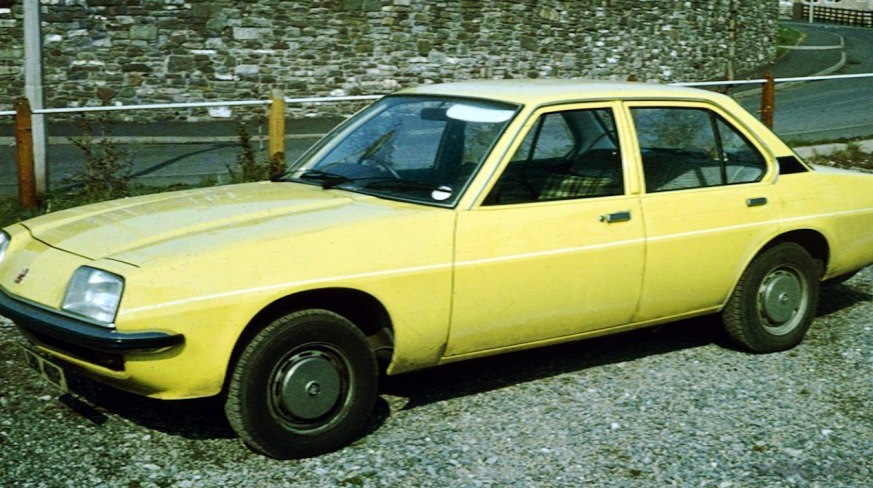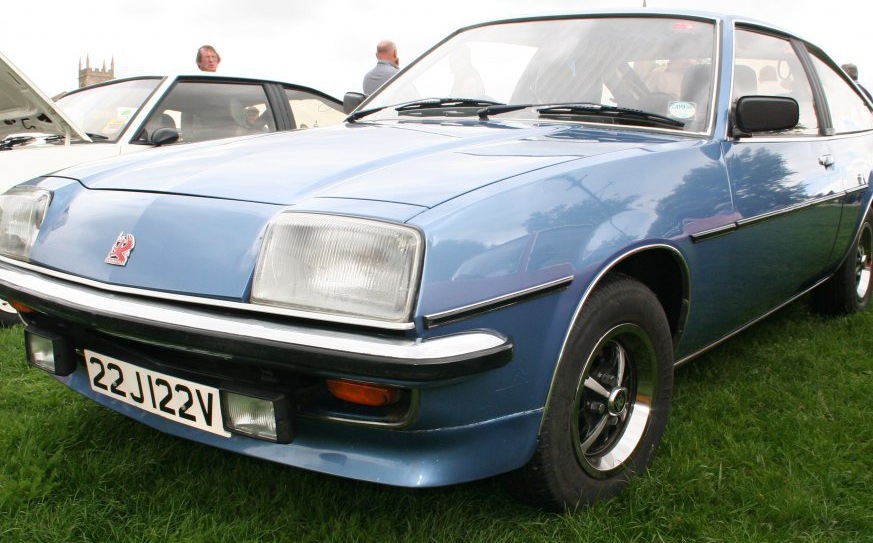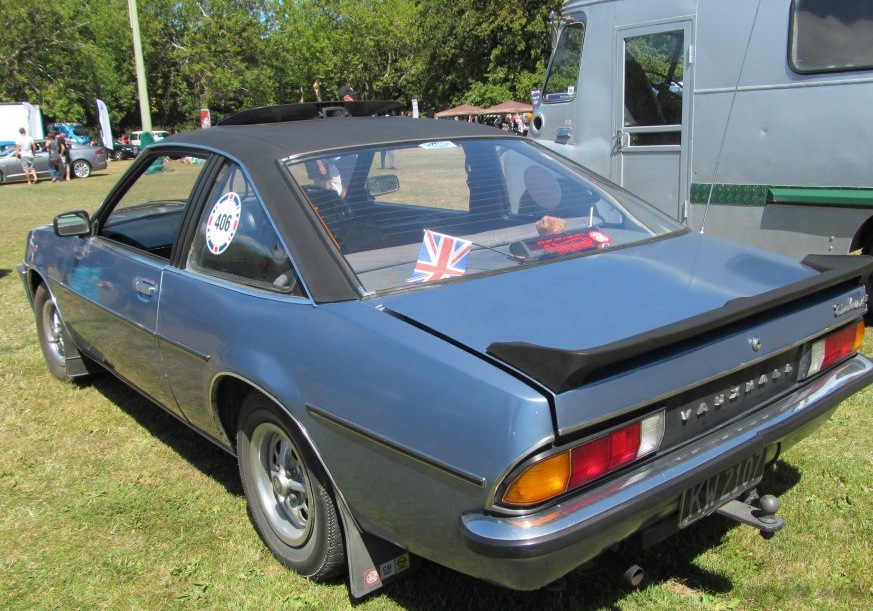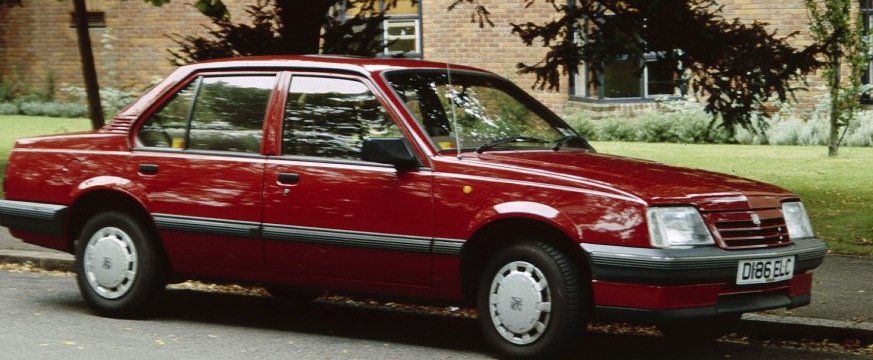
The Vauxhall Cavalier Mk II 1.6 N (75 hp) was a mainstay of the British family car market from 1981 to 1987. Representing the entry-level powertrain option for the Mk II Cavalier, it occupied a crucial position in Vauxhall’s lineup, offering affordable transportation to a broad customer base. Built on the GM J-platform, the Mk II Cavalier was a significant step forward for Vauxhall, offering improved styling, comfort, and fuel efficiency compared to its predecessor. This particular 1.6 N variant, while not the most powerful, was known for its reliability and relatively low running costs, making it a popular choice for families and first-time car buyers.
Technical Specifications
| Brand | Vauxhall |
| Model | Cavalier |
| Generation | Cavalier Mk II |
| Type (Engine) | 1.6 N (75 Hp) |
| Start of production | 1981 |
| End of production | 1987 |
| Powertrain Architecture | Internal Combustion engine |
| Body type | Sedan |
| Seats | 5 |
| Doors | 4 |
| Fuel Type | Petrol (Gasoline) |
| Power | 75 Hp |
| Engine Model/Code | 16N |
| Engine aspiration | Naturally aspirated engine |
| Engine oil capacity | 3.5 l (3.7 US qt | 3.08 UK qt) |
| Coolant capacity | 6.3 l (6.66 US qt | 5.54 UK qt) |
| Drivetrain Architecture | Front wheel drive |
Powertrain & Engine Architecture
The heart of the Cavalier Mk II 1.6 N was the 16N engine, a 1.6-liter inline-four cylinder petrol engine. This engine was a relatively simple design, featuring a single overhead camshaft (SOHC) and two valves per cylinder. It utilized a carburetor for fuel delivery, a common feature for vehicles of this era, rather than fuel injection. The carburetor, typically a Rochester or Solex model, was responsible for mixing air and fuel in the correct proportions for combustion. The 16N engine produced 75 horsepower at approximately 5,200 rpm and 98 lb-ft of torque at 3,200 rpm. The engine was paired with a three-speed automatic transmission, which was a popular option for buyers prioritizing ease of use over performance. This automatic transmission, while providing smooth shifts, did contribute to slightly lower fuel economy and slower acceleration compared to the available four-speed manual gearbox.
Driving Characteristics
The 1.6 N automatic combination in the Cavalier Mk II delivered a comfortable, if not particularly exhilarating, driving experience. Acceleration was modest, taking around 13-14 seconds to reach 60 mph. The three-speed automatic transmission had relatively widely spaced gear ratios, meaning the engine often felt strained during quick acceleration. However, for everyday driving, such as commuting and cruising, the powertrain proved perfectly adequate. The automatic transmission offered smooth gear changes, making it ideal for urban driving conditions. Compared to the manual transmission versions, the automatic felt noticeably slower, especially when overtaking. The 1.6 N engine was known for its smooth operation and relatively quiet running, contributing to a pleasant cabin environment. The front-wheel-drive configuration provided decent handling, although it wasn’t particularly sporty.
Equipment & Trim Levels
The 1.6 N variant of the Cavalier Mk II typically represented the base trim level. Standard equipment included cloth upholstery, a basic instrument cluster, and manual windows and door locks. Features like a radio, central locking, and electric windows were usually optional extras. Interior trim was generally functional and durable, prioritizing practicality over luxury. The dashboard layout was straightforward and easy to use, with clearly labeled controls. Optional extras could include a sunroof, upgraded stereo systems, and alloy wheels. The 1.6 N was often chosen by buyers who prioritized affordability and practicality, and as such, many examples were equipped with minimal options.
Chassis & Braking
The Cavalier Mk II featured independent suspension at the front, utilizing MacPherson struts and coil springs. The rear suspension employed a twist-beam axle with coil springs. This suspension setup provided a comfortable ride, although it wasn’t particularly sophisticated. Braking was initially provided by front disc brakes and rear drum brakes. Later models saw the introduction of rear disc brakes on some trims, but the 1.6 N typically retained the drum brake setup. The braking system was adequate for the car’s weight and performance, but lacked the stopping power of more modern vehicles. Steering was rack and pinion, providing reasonably precise control. Stabilizer bars were fitted to both the front and rear axles to reduce body roll during cornering.
Market Reception & Comparison
The Cavalier Mk II 1.6 N was generally well-received by the British motoring press as a practical and affordable family car. Critics praised its comfortable ride, spacious interior, and relatively low running costs. However, the 1.6 N engine was often criticized for its lack of power, particularly when paired with the automatic transmission. Compared to the more powerful 1.8 and 2.0-liter versions of the Cavalier, the 1.6 N offered significantly less performance. The 1.9-liter diesel version, while slower, offered superior fuel economy. The 1.6 N’s fuel economy was around 28-32 mpg, depending on driving conditions. Reliability was generally good, although the carburetor required periodic adjustment and maintenance. The 1.6 N was positioned as the entry point to the Cavalier range, appealing to budget-conscious buyers.
Legacy
The Vauxhall Cavalier Mk II 1.6 N, while not a performance icon, remains a fondly remembered car for many British drivers. Its simplicity and reliability have made it a popular choice among classic car enthusiasts. Examples in good condition are becoming increasingly rare, and well-maintained cars can command reasonable prices on the used car market. The 16N engine, while not particularly advanced, proved to be a durable and long-lasting unit. The Cavalier Mk II as a whole played a significant role in establishing Vauxhall as a major player in the British family car market, and the 1.6 N variant provided affordable transportation for a generation of drivers. Today, it represents a nostalgic reminder of a simpler era in automotive history.