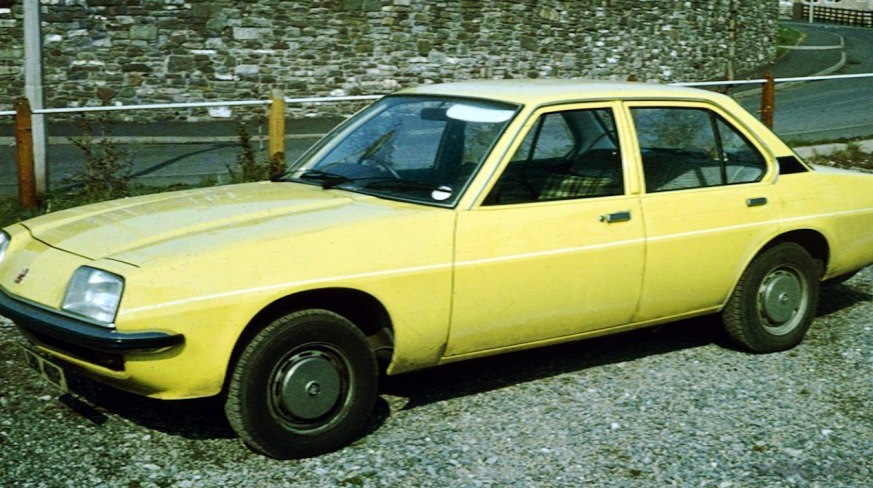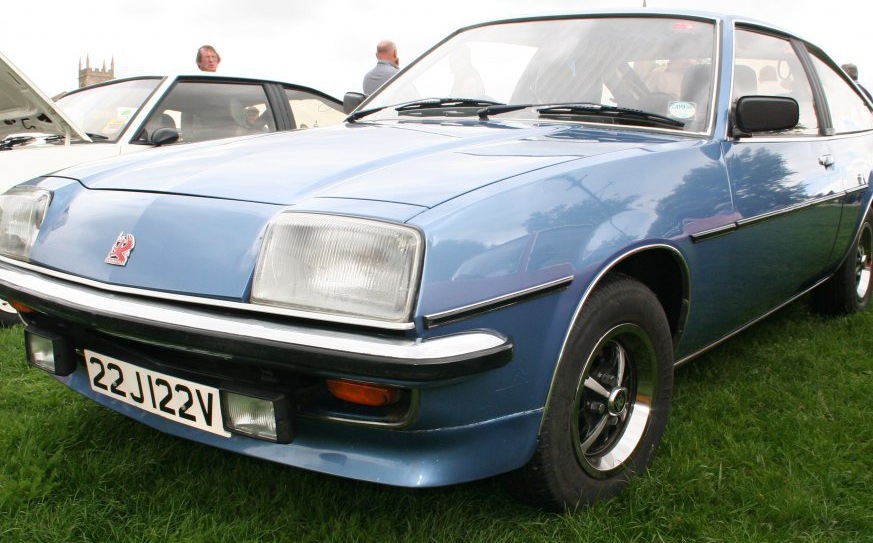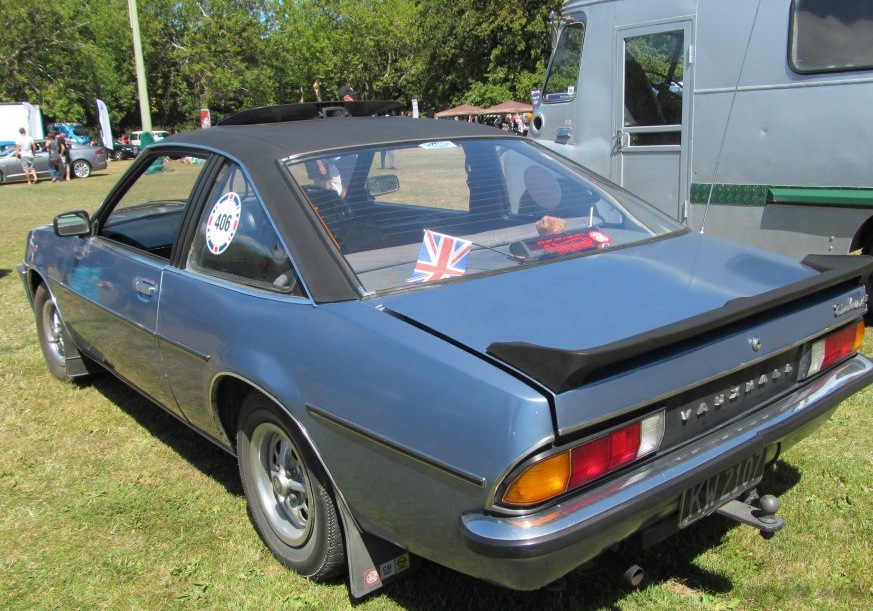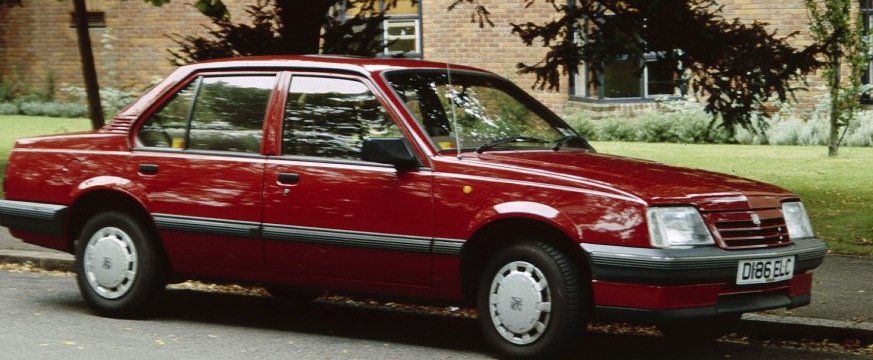
The Vauxhall Cavalier Mk II 1.6 S, produced between 1981 and 1986, represented a significant step forward for Vauxhall in the mid-size family car segment. Positioned as a mainstream offering within the Mk II Cavalier range (codenamed FE), the 1.6 S provided a balance of affordability, practicality, and reasonable performance. It served as a popular choice for family buyers and company car fleets in the United Kingdom and other European markets where Vauxhall was present. The Mk II Cavalier, built on a front-wheel-drive platform, was a departure from its rear-wheel-drive predecessor and aimed to compete with increasingly popular rivals like the Ford Sierra and Austin/Rover Montego.
Technical Specifications
| Brand | Vauxhall |
| Model | Cavalier |
| Generation | Cavalier Mk II |
| Type (Engine) | 1.6 S (90 Hp) |
| Start of production | 1981 |
| End of production | 1986 |
| Powertrain Architecture | Internal Combustion engine |
| Body type | Sedan |
| Seats | 5 |
| Doors | 4 |
| Fuel Type | Petrol (Gasoline) |
| Power | 90 Hp |
| Engine Model/Code | 16S |
| Engine aspiration | Naturally aspirated engine |
| Engine oil capacity | 3 l (3.17 US qt | 2.64 UK qt) |
Powertrain & Engine Architecture
The heart of the Cavalier 1.6 S was the 1598cc (97.5 cubic inch) four-cylinder petrol engine, designated as the 16S. This engine was part of Vauxhall’s overhead valve (OHV) family, utilizing a single overhead camshaft operating two valves per cylinder. Fuel delivery was managed by a single, two-barrel carburetor – a relatively simple system for the era. While not particularly sophisticated, this setup provided adequate performance for everyday driving. The engine produced 90 horsepower (67 kW) at 5600 rpm and approximately 95 lb-ft (129 Nm) of torque at 3200 rpm. The engine block was cast iron, contributing to its durability, while the cylinder head was aluminum.
The 1.6 S was typically paired with a four-speed manual transmission, but a three-speed automatic transmission was also available, and it’s this automatic variant that is the focus of this article. The automatic transmission, while offering convenience, did impact acceleration and fuel economy compared to the manual version. The transmission was a traditional hydraulic automatic, lacking the electronic controls found in later designs. It featured torque converter multiplication and a selector lever for Park, Reverse, Neutral, Drive, and Low ranges.
Driving Characteristics
The Cavalier 1.6 S automatic offered a comfortable, if not particularly sporty, driving experience. Acceleration from 0 to 60 mph (0 to 97 km/h) took around 13-14 seconds, making it noticeably slower than the manual transmission version or the higher-powered 1.8 and 2.0-liter models. The automatic transmission’s gear ratios were geared towards fuel efficiency and smooth cruising rather than rapid acceleration. The torque converter provided a smooth launch, but the transmission could feel somewhat sluggish when attempting to overtake or climb hills. The front-wheel-drive layout provided predictable handling, although it lacked the dynamic finesse of some rear-wheel-drive competitors. Steering was power-assisted, making maneuvering in tight spaces relatively easy. The suspension, consisting of MacPherson struts at the front and a twist-beam axle at the rear, provided a reasonably comfortable ride, absorbing most road imperfections without excessive body roll.
Equipment & Trim Levels
The ‘S’ designation in the Cavalier 1.6 S indicated a mid-range trim level. Standard equipment typically included cloth upholstery, a basic stereo radio (often a cassette player), and central locking. The interior was functional and durable, with hard-wearing plastics dominating the dashboard and door panels. The instrument cluster featured a speedometer, fuel gauge, temperature gauge, and warning lights. Optional extras included a sunroof, upgraded stereo systems, and metallic paint finishes. The 1.6 S generally featured a simpler interior compared to the higher-spec SR and GLS models, which offered features like electric windows, more luxurious upholstery, and alloy wheels.
Chassis & Braking
The Cavalier Mk II utilized a monocoque chassis construction, providing a good balance of strength and weight. The front suspension employed MacPherson struts with an anti-roll bar, while the rear suspension featured a twist-beam axle. Braking was initially provided by disc brakes at the front and drum brakes at the rear. Later models saw the introduction of rear disc brakes on some trims, but the 1.6 S typically retained the drum brake setup. Steering was rack and pinion, providing precise and responsive control. The tires were typically 175/70 R14, offering a reasonable compromise between comfort and grip.
Market Reception & Comparison
The Cavalier 1.6 S automatic was generally well-received by the motoring press as a practical and affordable family car. Critics praised its comfortable ride, spacious interior, and reasonable fuel economy. However, the automatic transmission was often criticized for its sluggish performance and lack of responsiveness. Compared to the manual transmission version, the automatic offered less engaging driving experience. Against rivals like the Ford Sierra 1.6L automatic, the Cavalier offered a similar level of practicality and comfort, but the Sierra was often considered to be more dynamically capable. The 1.8 and 2.0-liter Cavalier models offered significantly more performance, but at a higher price point. The 1.6 S automatic appealed to buyers who prioritized convenience and comfort over outright performance.
Legacy
The Vauxhall Cavalier Mk II 1.6 S automatic, while not a particularly groundbreaking vehicle, played an important role in establishing the Cavalier as a popular choice in the British family car market. The 16S engine proved to be relatively reliable, although regular maintenance was essential to prevent issues such as oil leaks and carburetor problems. Today, the Cavalier Mk II is gaining recognition as a classic car, with well-maintained examples becoming increasingly sought after by enthusiasts. The automatic transmission, while not as desirable as the manual version, still offers a comfortable and convenient driving experience. Parts availability is generally good, although some trim-specific components can be difficult to find. The Cavalier 1.6 S automatic represents a snapshot of 1980s British motoring – a practical, affordable, and reasonably reliable family car that provided a comfortable and convenient mode of transport for many.