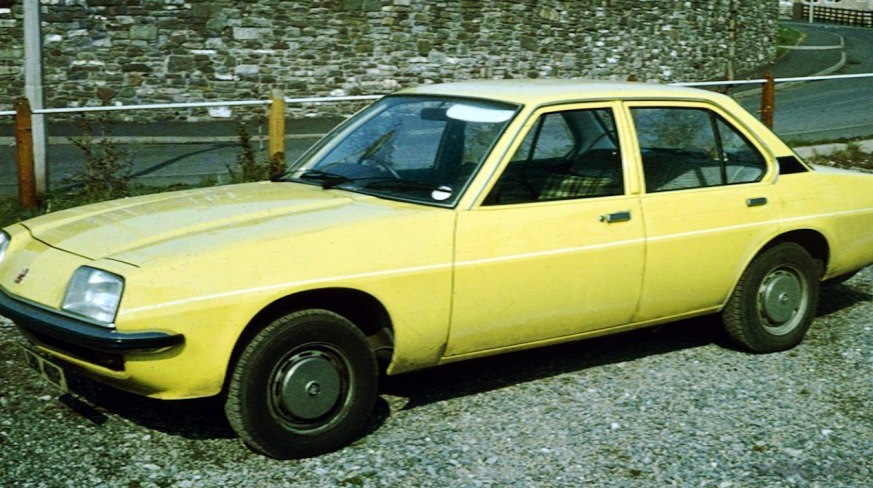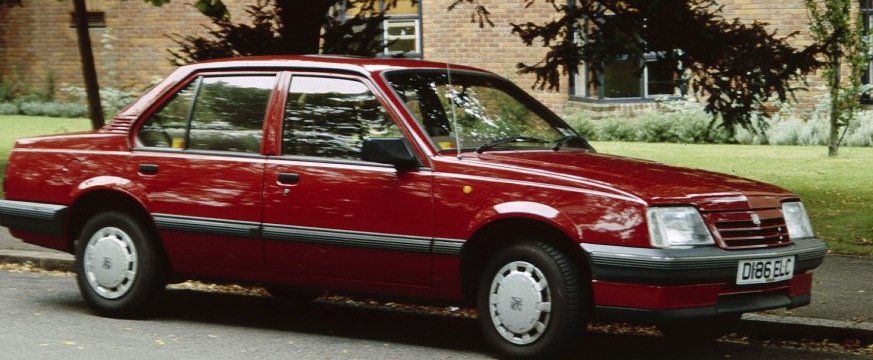
The Vauxhall Cavalier Mk II 1.6i CAT, produced between 1986 and 1988, represented an entry-level offering within the broader Mk II Cavalier range. Positioned as a fuel-efficient and affordable option, it catered to buyers prioritizing practicality over outright performance. This variant, powered by the C16LZ engine and typically paired with a four-speed automatic transmission (though a five-speed manual was also available), played a significant role in establishing the Mk II Cavalier as a popular family sedan in the United Kingdom and Europe. The “CAT” designation refers to the catalytic converter fitted to meet increasingly stringent emissions regulations of the time.
Technical Specifications
| Brand | Vauxhall |
| Model | Cavalier |
| Generation | Cavalier Mk II |
| Type (Engine) | 1.6i CAT (75 Hp) |
| Start of production | 1986 |
| End of production | 1988 |
| Powertrain Architecture | Internal Combustion Engine |
| Body type | Sedan |
| Seats | 5 |
| Doors | 4 |
| Fuel Type | Petrol (Gasoline) |
| Power | 75 Hp |
| Engine Model/Code | C16LZ |
| Engine aspiration | Naturally aspirated |
| Engine oil capacity | 3.5 l (3.7 US qt | 3.08 UK qt) |
| Coolant capacity | 7.5 l (7.93 US qt | 6.6 UK qt) |
| Drivetrain | Front Wheel Drive |
Powertrain & Engine Architecture
The heart of the Cavalier 1.6i CAT was the C16LZ engine, a 1.6-liter inline-four cylinder unit. This engine featured a single overhead camshaft (SOHC) valvetrain operating two valves per cylinder. Fuel delivery was managed by Bosch Mono-Jetronic fuel injection, a relatively simple system for the era, prioritizing reliability and cost-effectiveness over ultimate performance. The Mono-Jetronic system utilized a single fuel injector positioned centrally in the throttle body, distributing fuel to all four cylinders. The engine’s 75 horsepower output at 5,200 rpm and 98 lb-ft of torque at 3,200 rpm were modest, but adequate for everyday driving. The catalytic converter, a key component of the “CAT” designation, was implemented to reduce harmful emissions, becoming increasingly important in European markets during the mid-1980s. The automatic transmission option was typically a four-speed unit, providing smooth but not particularly rapid gear changes. A five-speed manual transmission was also available, offering a more engaging driving experience and slightly improved fuel economy.
Driving Characteristics
The 1.6i CAT automatic was not designed for spirited driving. Acceleration was leisurely, with a 0-60 mph time estimated around 13-14 seconds. The automatic transmission, while comfortable, contributed to this lack of urgency. Gear ratios were optimized for fuel efficiency rather than performance, resulting in a noticeable delay during kickdown maneuvers. Compared to the more powerful 1.8 and 2.0-liter variants, or even the diesel models, the 1.6i CAT felt noticeably underpowered, particularly when fully loaded or tackling inclines. However, for urban commuting and relaxed highway cruising, the engine provided sufficient power. The front-wheel-drive configuration offered predictable handling, although it lacked the dynamic finesse of more modern vehicles. The steering was light and easy, making it well-suited for city driving.
Equipment & Trim Levels
The 1.6i CAT typically represented the base trim level within the Mk II Cavalier range. Standard equipment included cloth upholstery, a basic instrument cluster, and manual windows and door locks. Central locking and electric windows were often optional extras. Interior trim was generally functional and durable, prioritizing practicality over luxury. The dashboard layout was straightforward, with clearly labeled controls. Optional extras could include a radio/cassette player, upgraded seat fabrics, and a sunroof. The exterior styling was relatively understated, with body-colored bumpers and steel wheels with hubcaps being common features. Higher trim levels, such as the GLS and SR, offered more luxurious appointments, including alloy wheels, upgraded interior trim, and additional features.
Chassis & Braking
The Cavalier Mk II utilized a MacPherson strut front suspension and a twist-beam rear suspension. This setup provided a reasonable balance between ride comfort and handling. The 1.6i CAT models typically featured drum brakes on the rear wheels and disc brakes on the front, providing adequate stopping power for the vehicle’s weight and performance. Stabilizer bars were fitted to both the front and rear axles, helping to reduce body roll during cornering. The steering was rack and pinion, offering precise and responsive control. The chassis was relatively lightweight, contributing to the car’s fuel efficiency. Suspension tuning was geared towards comfort, resulting in a relatively soft ride quality.
Market Reception & Comparison
The Cavalier 1.6i CAT was generally well-received as an affordable and reliable family car. Critics praised its fuel efficiency and practicality, but noted its lack of performance. Compared to the 1.8 and 2.0-liter variants, the 1.6i CAT offered significantly lower running costs but at the expense of driving enjoyment. The diesel models provided even better fuel economy, but were often criticized for their noise and vibration. The 1.6i CAT’s main competitors included the Ford Sierra, Austin Montego, and Citroën BX. In terms of reliability, the C16LZ engine proved to be generally robust, although regular maintenance was essential to prevent issues such as oil leaks and corrosion. Fuel economy was a strong point, with figures typically ranging from 30-35 mpg.
Legacy
The Vauxhall Cavalier Mk II 1.6i CAT, while not the most exciting variant in the lineup, remains a popular choice among classic car enthusiasts and those seeking an affordable and reliable vintage vehicle. The C16LZ engine, despite its modest output, is known for its durability and relatively simple maintenance requirements. Parts availability is generally good, although some components may be becoming increasingly difficult to find. Today, these cars are often found in the used car market at very affordable prices, making them an attractive option for those looking for a classic 1980s family sedan. The 1.6i CAT’s legacy lies in its role as a practical and economical entry point into the Mk II Cavalier range, providing affordable transportation for a wide range of buyers.