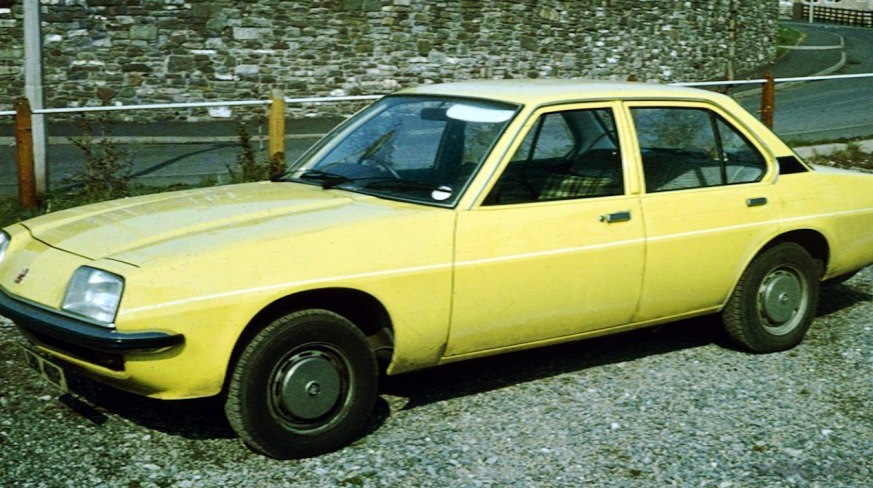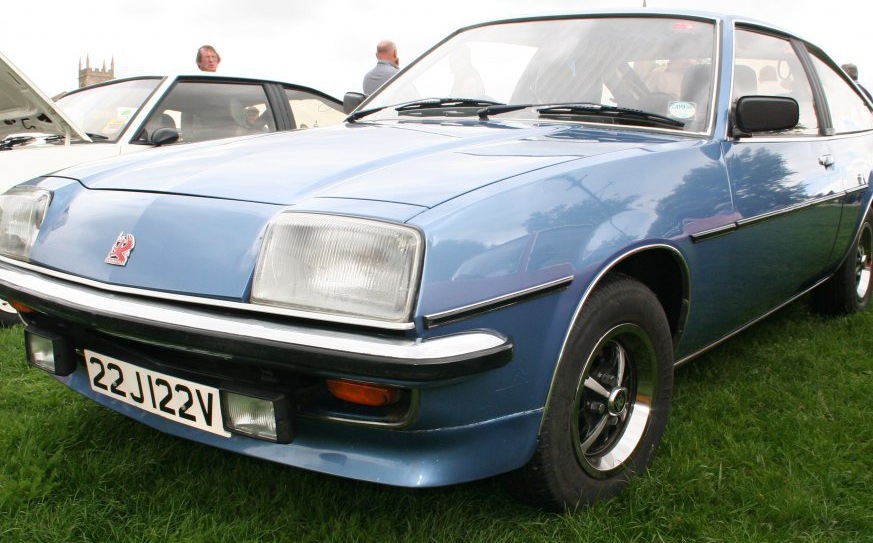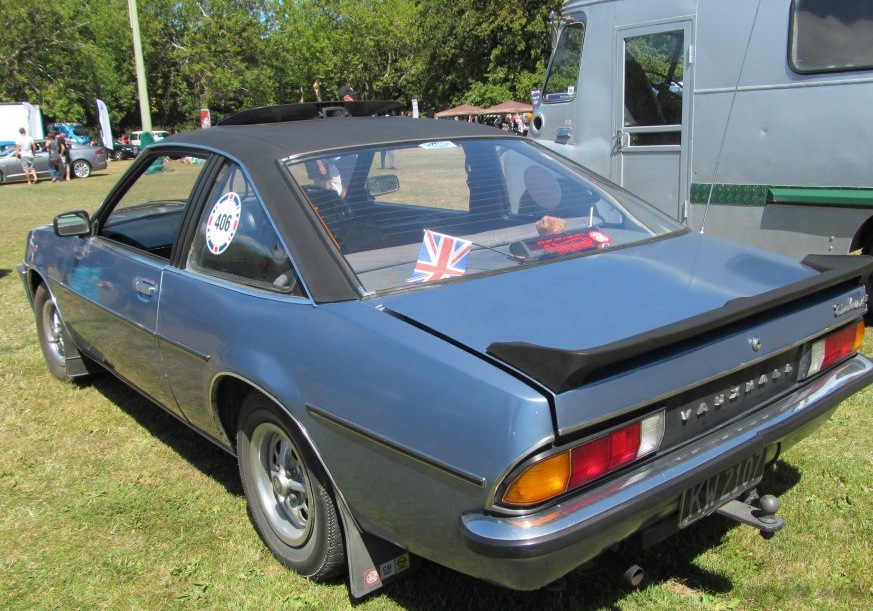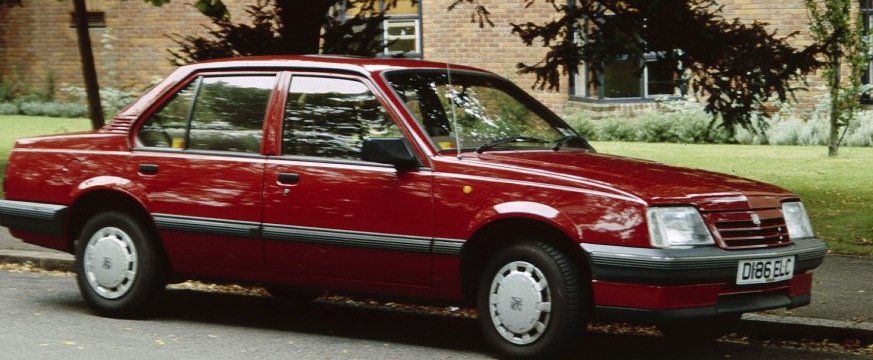
The Vauxhall Cavalier Mk II 1.8 (84 hp) was a mainstream family sedan produced between 1987 and 1988. It represented a key part of Vauxhall’s lineup during a period of significant competition in the British and European mid-size car market. Positioned as an entry-level to mid-range offering within the Mk II Cavalier range, it aimed to provide affordable and practical transportation for families and commuters. The Mk II Cavalier, based on the GM J-platform, was a substantial redesign from its predecessor, offering increased space, improved comfort, and a more modern aesthetic. This particular 1.8-liter variant, paired with an automatic transmission, catered to buyers prioritizing ease of driving over outright performance.
Technical Specifications
| Brand | Vauxhall |
| Model | Cavalier |
| Generation | Cavalier Mk II |
| Type (Engine) | 1.8 (84 Hp) |
| Start of production | 1987 |
| End of production | 1988 |
| Powertrain Architecture | Internal Combustion engine |
| Body type | Sedan |
| Seats | 5 |
| Doors | 4 |
| Fuel Type | Petrol (Gasoline) |
| Power | 84 Hp |
| Engine Model/Code | E18NV |
| Engine aspiration | Naturally aspirated engine |
| Engine oil capacity | 3.5 l (3.7 US qt | 3.08 UK qt) |
| Coolant capacity | 7.5 l (7.93 US qt | 6.6 UK qt) |
| Drivetrain Architecture | Front wheel drive |
Powertrain & Engine Architecture
The heart of the Cavalier Mk II 1.8 was the E18NV engine, an 1.8-liter inline-four cylinder petrol engine. This engine was part of Vauxhall’s family of overhead valve (OHV) engines, known for their simplicity and relative reliability. The E18NV featured a two-barrel carburetor for fuel delivery, a common setup for the time, prioritizing cost-effectiveness over the precision of fuel injection. The engine produced 84 horsepower at approximately 5200 rpm and 109 lb-ft of torque at 3200 rpm. The automatic transmission paired with this engine was typically a three-speed unit, offering smooth but not particularly rapid gear changes. This transmission was chosen to provide a comfortable driving experience, especially in urban environments. The engine block was cast iron, contributing to its durability, while the cylinder head was aluminum, helping to reduce weight. The valvetrain employed a single camshaft operating pushrods and rocker arms to actuate the valves.
Driving Characteristics
The 1.8-liter automatic Cavalier Mk II offered a comfortable, if uninspiring, driving experience. Acceleration was modest, with a 0-60 mph time estimated around 13-14 seconds. The three-speed automatic transmission, while providing convenience, resulted in noticeable gear changes and a lack of the responsiveness found in manual transmission versions or higher-powered models. The gear ratios were optimized for fuel economy and cruising comfort rather than spirited driving. The power delivery was relatively linear, with peak torque available at lower engine speeds, making it suitable for everyday driving. Compared to the 2.0-liter versions of the Cavalier, the 1.8 felt noticeably slower, particularly when overtaking or climbing hills. However, the automatic transmission made it a more accessible option for drivers unfamiliar or uncomfortable with manual gearboxes.
Equipment & Trim Levels
The 1.8-liter automatic Cavalier Mk II typically came equipped with a fairly basic level of standard features. Interior upholstery was usually cloth, with a durable but unremarkable finish. The dashboard layout was functional, with clearly labeled controls. Standard equipment generally included central locking, electric front windows (on some trims), and a basic stereo system. Optional extras included a sunroof, upgraded stereo systems, and metallic paint finishes. The trim level often dictated the level of interior trim and exterior detailing. The 1.8 automatic was generally positioned as a step above the base model, offering a slightly more refined interior and a few additional convenience features. Air conditioning was often an optional extra, and not typically included as standard on this trim level.
Chassis & Braking
The Cavalier Mk II utilized a MacPherson strut front suspension and a twist-beam rear suspension. This setup provided a reasonable balance between ride comfort and handling. The front suspension incorporated coil springs and a stabilizer bar to reduce body roll. The rear suspension, while simpler, offered adequate stability for everyday driving. Braking on the 1.8-liter model typically consisted of disc brakes on the front wheels and drum brakes on the rear wheels. This configuration was common for vehicles in this price range during the late 1980s. The braking system was hydraulically assisted, providing adequate stopping power for normal driving conditions. Steering was rack and pinion, offering reasonably precise control.
Market Reception & Comparison
The Vauxhall Cavalier Mk II 1.8 automatic received mixed reviews. Critics generally praised its practicality, spacious interior, and comfortable ride. However, the engine’s performance was often criticized as being underpowered, particularly when paired with the automatic transmission. Fuel economy was considered average for the time, around 25-30 mpg depending on driving conditions. Compared to the 2.0-liter versions, the 1.8 offered a lower purchase price but sacrificed performance. The 1.9-liter diesel version, while slower in acceleration, offered significantly better fuel economy, appealing to drivers covering high mileages. The 1.8 automatic was seen as a sensible choice for buyers prioritizing ease of use and affordability over driving excitement.
Legacy
The E18NV engine, while not renowned for its performance, proved to be relatively reliable. With proper maintenance, these engines could achieve high mileages. The automatic transmission, while simple in design, was also generally durable. Today, the Cavalier Mk II 1.8 automatic is a relatively affordable classic car, appealing to enthusiasts seeking a nostalgic driving experience. Parts availability is generally good, although some trim-specific components may be difficult to find. The car’s simplicity makes it relatively easy to maintain and repair for those with basic mechanical skills. While not a particularly collectible model, the 1.8 automatic represents a significant part of British automotive history and remains a popular choice for classic car enthusiasts on a budget.