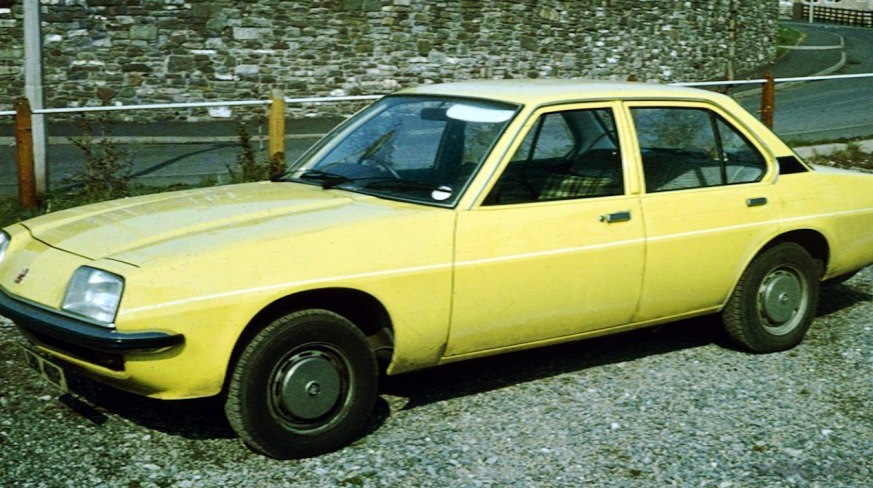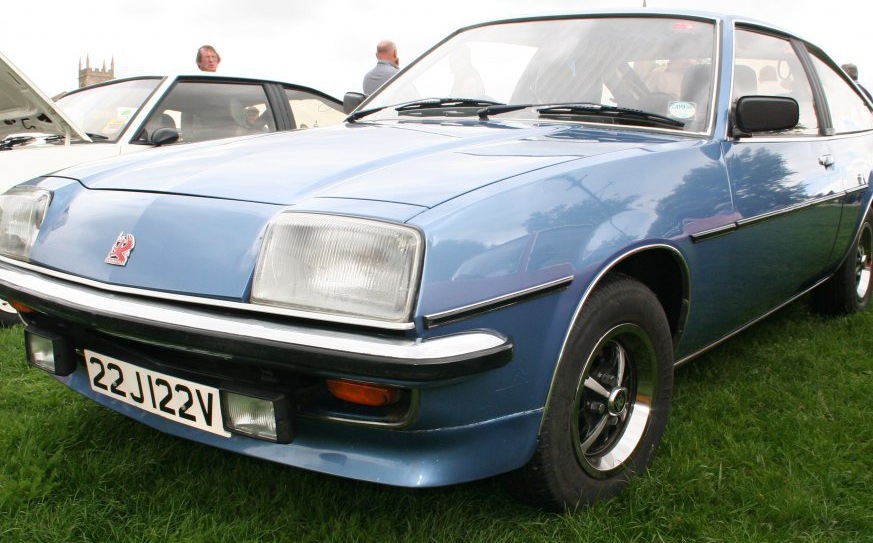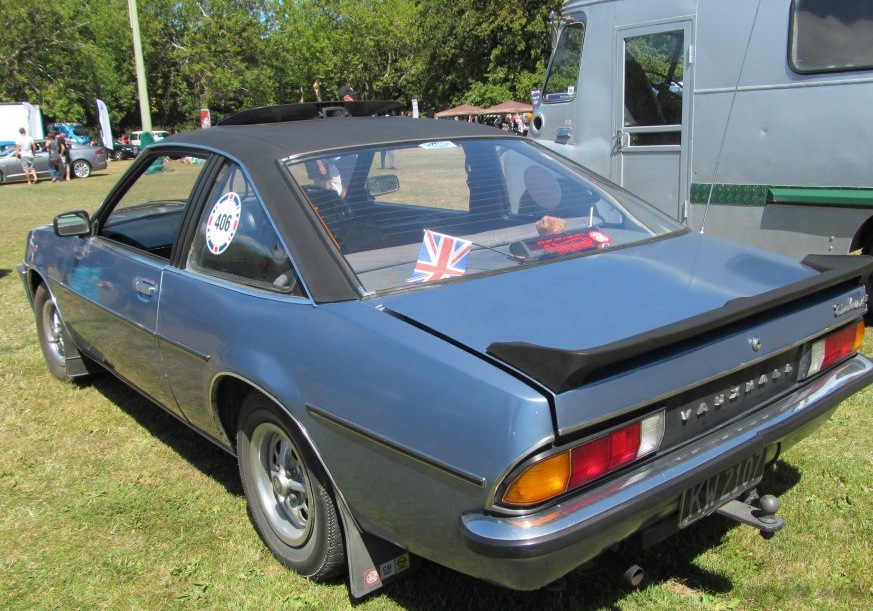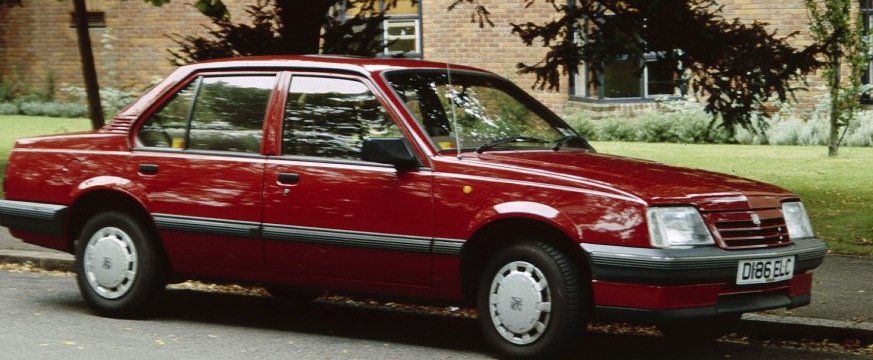
The Vauxhall Cavalier Mk II 1.8i, produced between 1981 and 1988, represented a significant step forward for Vauxhall in the mid-size family car segment. Part of the Mk II generation (1981-1988), this variant occupied a middle ground in the Cavalier lineup, offering a balance between performance and affordability. It was positioned above the base models and below the more powerful, often fuel-injected, higher-specification trims. The Mk II Cavalier was a crucial model for Vauxhall, aiming to compete with rivals like the Ford Cortina and Austin/Rover Montego, and represented a move towards more modern styling and engineering compared to its predecessor.
Technical Specifications
| Brand | Vauxhall |
| Model | Cavalier |
| Generation | Cavalier Mk II |
| Type (Engine) | 1.8i (112 Hp) |
| Start of production | 1981 |
| End of production | 1988 |
| Powertrain Architecture | Internal Combustion engine |
| Body type | Sedan |
| Seats | 5 |
| Doors | 4 |
| Fuel Type | Petrol (Gasoline) |
| Power | 112 Hp |
| Engine aspiration | Naturally aspirated engine |
| Engine oil capacity | 3.5 l (3.7 US qt | 3.08 UK qt) |
| Coolant capacity | 7.5 l (7.93 US qt | 6.6 UK qt) |
| Drivetrain | Front wheel drive |
Powertrain & Engine Architecture
The 1.8i variant of the Cavalier Mk II was powered by a naturally aspirated, inline-four cylinder engine. While often referred to simply as an 1.8, the engine was actually 1799cc. This engine, typically designated as the 18E, was a mainstay of Vauxhall’s engine range for many years. It featured a single overhead camshaft (SOHC) valvetrain, operating two valves per cylinder. The fuel system was typically a Weber or Solex carburetor, although later models saw the introduction of Bosch fuel injection, increasing power slightly. The engine’s design prioritized reliability and ease of maintenance over outright performance. The 112 horsepower output was achieved at approximately 5400 rpm, with peak torque of around 109 lb-ft at 3200 rpm. The engine was mated to either a four-speed manual or a three-speed automatic transmission. The automatic transmission, a Borg-Warner unit, was a popular choice for buyers prioritizing comfort and ease of driving.
Driving Characteristics
The 1.8i Cavalier, particularly with the automatic transmission, offered a comfortable but not particularly sporty driving experience. Acceleration was adequate for everyday driving, with a 0-60 mph time of around 11-12 seconds. The automatic transmission, while smooth, did detract from the engine’s available power, resulting in a noticeable difference in performance compared to the manual transmission versions. Gear ratios were geared towards fuel economy and relaxed cruising rather than rapid acceleration. The steering was light and easy, making it well-suited for urban driving, but lacked the precision of some competitors. The suspension, while providing a reasonably comfortable ride, could feel somewhat soft and wallowy when pushed hard through corners. Compared to the higher-output fuel-injected models, the 1.8i felt noticeably less responsive, but it offered a more forgiving and user-friendly driving experience.
Equipment & Trim Levels
The 1.8i trim level typically included features such as cloth upholstery, a basic stereo system, and central locking. Power steering was often an optional extra, as were electric windows. Interior trim was generally functional and durable, reflecting the car’s focus on practicality. Dashboard design was relatively simple, with clearly labeled controls. Higher-specification versions of the 1.8i could be equipped with features like a sunroof, upgraded stereo systems, and more luxurious interior trim. The Cavalier Mk II offered a range of optional extras, allowing buyers to customize their vehicles to suit their individual needs and budgets. The base trim was fairly spartan, but the 1.8i offered a reasonable level of equipment for the price.
Chassis & Braking
The Cavalier Mk II utilized a MacPherson strut front suspension and a live axle rear suspension. The front suspension provided a reasonable level of comfort and handling, while the live axle rear suspension was a cost-effective solution that prioritized durability over sophistication. Braking systems varied depending on the specification, with lower-spec models typically equipped with drum brakes on the rear wheels and disc brakes on the front. Higher-spec models often featured disc brakes all around. The braking performance was adequate for the car’s weight and power, but lacked the stopping power of more modern vehicles. Stabilizer bars were fitted to both the front and rear axles to reduce body roll during cornering, although their effectiveness was limited by the relatively soft suspension setup.
Market Reception & Comparison
The Vauxhall Cavalier Mk II 1.8i was generally well-received by the British motoring press. Critics praised its comfortable ride, spacious interior, and reasonable price. However, it was also criticized for its somewhat bland styling and lack of outright performance compared to some rivals. Fuel economy was considered average for the time, with figures typically ranging from 25-30 mpg. Compared to the more powerful fuel-injected models, the 1.8i offered a lower purchase price and potentially lower running costs, but at the expense of performance. The automatic transmission version was particularly popular with buyers who prioritized comfort and ease of driving. The Cavalier Mk II 1.8i successfully positioned itself as a practical and affordable family car, appealing to a wide range of buyers.
Legacy
The Cavalier Mk II 1.8i, while not a particularly groundbreaking vehicle, played a significant role in establishing Vauxhall as a major player in the British family car market. The 18E engine proved to be remarkably durable and reliable, and many examples are still on the road today. The automatic transmission, while not known for its sophistication, was generally reliable and relatively easy to maintain. In the used car market, the Cavalier Mk II 1.8i remains a popular choice for enthusiasts and classic car collectors, offering a nostalgic glimpse into 1980s motoring. Its simplicity and affordability make it an attractive option for those seeking a classic car that is relatively easy to maintain and repair. The car’s enduring popularity is a testament to its solid engineering and practical design.