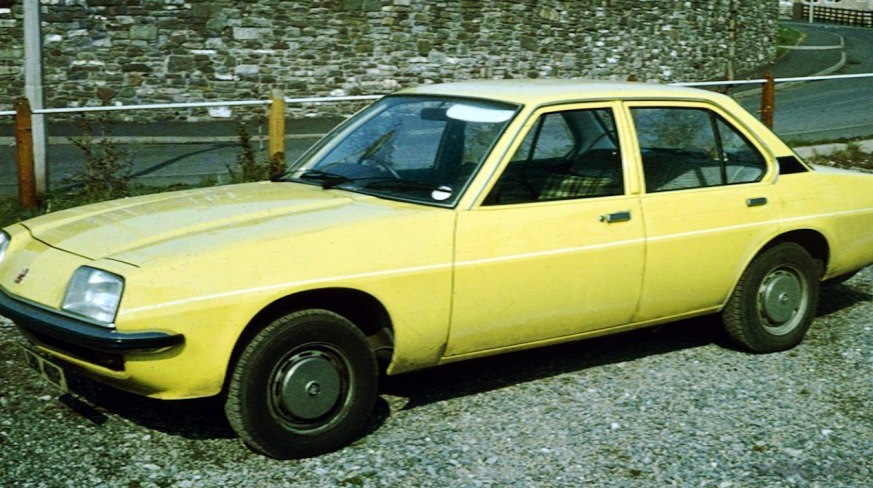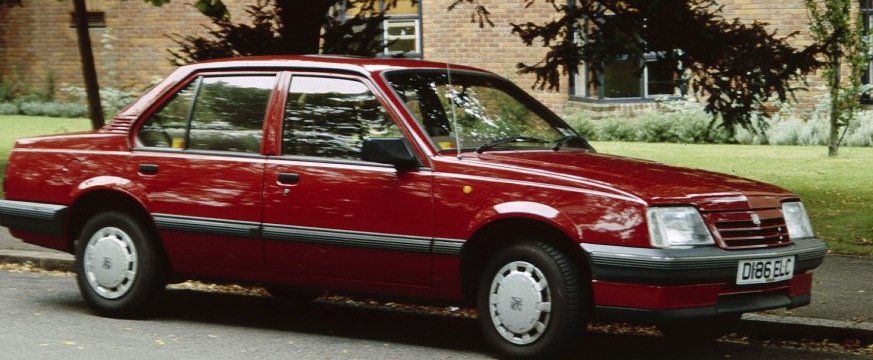
The Vauxhall Cavalier Mk II 1.8i, produced between 1982 and 1986, represented a significant step forward for Vauxhall in the mid-size family car segment. Part of the Mk II generation (1982-1988), this variant occupied a crucial position in the lineup, offering a balance between affordability and respectable performance. It was aimed at buyers seeking a comfortable and practical saloon with a more powerful engine than the base models, but without the expense of the top-of-the-range trims. The Mk II Cavalier was a key model for Vauxhall, contributing to its increased market share during the early to mid-1980s, and was a common sight on British roads.
Technical Specifications
| Brand | Vauxhall |
| Model | Cavalier |
| Generation | Cavalier Mk II |
| Type (Engine) | 1.8i (115 Hp) |
| Start of production | 1982 |
| End of production | 1986 |
| Powertrain Architecture | Internal Combustion engine |
| Body type | Sedan |
| Seats | 5 |
| Doors | 4 |
| Fuel Type | Petrol (Gasoline) |
| Power | 115 Hp |
| Engine Model/Code | 18E |
| Engine aspiration | Naturally aspirated engine |
| Engine oil capacity | 3.25 l (3.43 US qt | 2.86 UK qt) |
| Coolant capacity | 7.5 l (7.93 US qt | 6.6 UK qt) |
Powertrain & Engine Architecture
The heart of the Cavalier Mk II 1.8i was the 18E engine, an inline-four cylinder petrol engine displacing 1799cc. This engine was a mainstay of Vauxhall’s lineup for many years, known for its relative simplicity and durability. The 18E featured a cast iron block and an aluminum cylinder head, utilizing a single overhead camshaft (SOHC) design operating two valves per cylinder. Fuel delivery was managed by a Bosch Jetronic fuel injection system, a significant upgrade over the carburettors found in earlier Cavaliers. This injection system contributed to improved fuel efficiency and smoother power delivery compared to its predecessors. The engine produced 115 horsepower at 5400 rpm and 109 lb-ft of torque at 3600 rpm. The transmission paired with the 1.8i was typically a three-speed automatic, although a four-speed manual was also available. The automatic transmission, while providing convenience, was not known for its particularly quick shifts or sporty feel.
Driving Characteristics
The 1.8i automatic Cavalier offered a comfortable, if not particularly exhilarating, driving experience. The automatic transmission, while smooth, did detract from the engine’s potential. Acceleration was adequate for everyday driving, with a 0-60 mph time estimated around 11-12 seconds. The gear ratios were geared towards fuel economy and relaxed cruising rather than outright performance. Compared to the manual transmission version of the 1.8i, the automatic felt noticeably slower, especially during overtaking maneuvers. The suspension, consisting of MacPherson struts at the front and a twist-beam rear axle, provided a reasonably comfortable ride, absorbing most road imperfections effectively. However, it wasn’t particularly sporty, with noticeable body roll during cornering. The steering was light and easy, making it well-suited for urban driving, but lacked the feedback desired by more enthusiastic drivers.
Equipment & Trim Levels
The 1.8i trim level generally sat in the mid-range of the Cavalier Mk II lineup. Standard equipment included cloth upholstery, a basic stereo system, and central locking. Power steering was often included, but not always standard. The dashboard layout was functional and straightforward, with clearly labelled controls. Optional extras included a sunroof, upgraded stereo systems, and metallic paint finishes. Interior trim quality was typical for the era – durable but not luxurious. The 1.8i often featured a slightly more refined interior trim compared to the base models, with better quality cloth and some additional sound insulation. Later models within the 1986 production run saw minor interior updates, including revised dashboard graphics and seat fabrics.
Chassis & Braking
The Cavalier Mk II 1.8i utilized a front-wheel-drive layout. The front suspension comprised MacPherson struts with an anti-roll bar, while the rear suspension employed a twist-beam axle. Braking was typically achieved with disc brakes at the front and drum brakes at the rear. The braking system was adequate for the car’s weight and performance, but lacked the stopping power of more modern systems. The steering was a rack-and-pinion system, providing light and easy steering feel. The chassis was relatively lightweight, contributing to the car’s decent fuel economy. Stabilizer bar thickness was moderate, contributing to the car’s tendency to roll in corners.
Market Reception & Comparison
The Cavalier Mk II 1.8i was generally well-received by the British motoring press. Critics praised its comfortable ride, spacious interior, and relatively affordable price. However, the automatic transmission was often criticized for its sluggish performance. Compared to the 1.6-litre base model, the 1.8i offered a noticeable improvement in performance, making it a more enjoyable car to drive, especially on longer journeys. Compared to the higher-specification 2.0-litre models, the 1.8i offered a good compromise between performance and cost. Fuel economy was reasonable for the time, averaging around 28-32 mpg depending on driving conditions. Reliability was generally good, although the automatic transmission could be prone to issues if not properly maintained.
Legacy
The Vauxhall Cavalier Mk II 1.8i remains a popular classic car in the UK, appreciated for its affordability, practicality, and nostalgic appeal. The 18E engine is known for its durability and relative ease of maintenance, making it a relatively straightforward car to keep on the road. Parts availability is generally good, although some trim-specific items can be difficult to find. Today, well-maintained examples of the 1.8i are sought after by classic car enthusiasts and collectors. While not a performance icon, the Cavalier Mk II 1.8i represents a significant chapter in Vauxhall’s history and a reminder of a bygone era of British motoring. The automatic transmission, while not the most desirable configuration for performance enthusiasts, remains a common sight in surviving examples, offering a comfortable and convenient driving experience for those seeking a classic saloon.