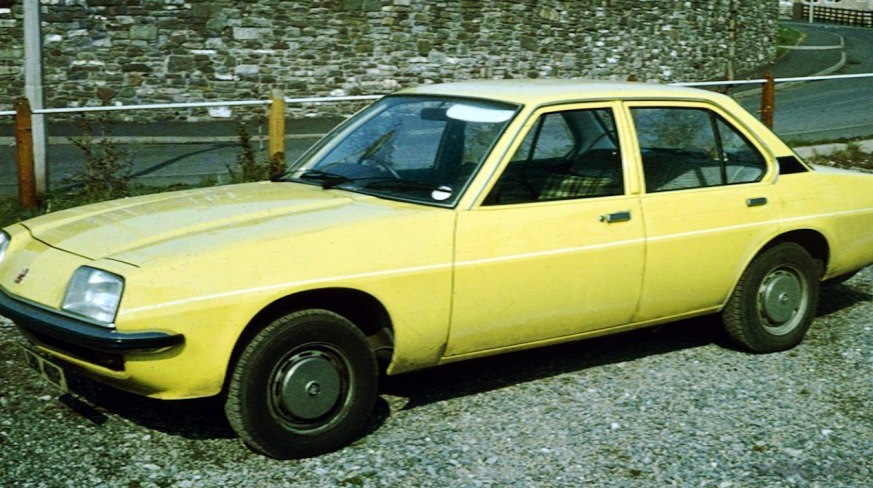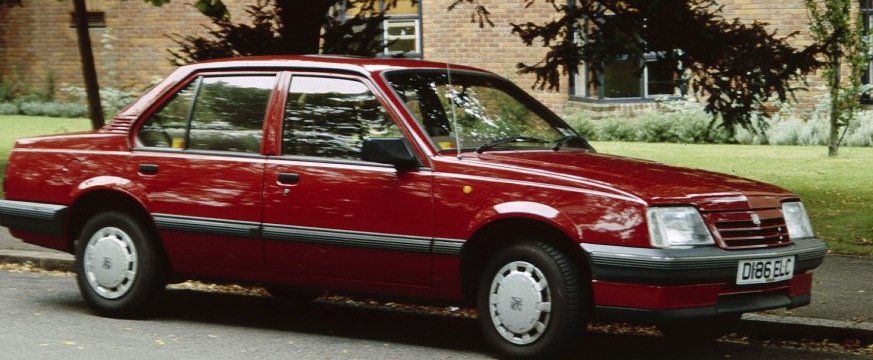
The Vauxhall Cavalier Mk II 1.8i CAT, produced briefly in 1986, represented a mid-range offering within the second generation of the popular British family saloon. Falling between the base models and the more powerful SR and GLS trims, the 1.8i CAT (Catalytic Converter) was designed to appeal to buyers seeking a balance of performance, economy, and affordability. It was a key part of Vauxhall’s strategy to offer a broad range of options within the Mk II Cavalier lineup, which was based on the Opel Ascona C platform, reflecting General Motors’ European model sharing practices. This particular variant was only available for a single model year, making it a relatively uncommon find today.
Technical Specifications
| Brand | Vauxhall |
| Model | Cavalier |
| Generation | Cavalier Mk II |
| Type (Engine) | 1.8i CAT (100 Hp) |
| Start of production | 1986 |
| End of production | 1986 |
| Powertrain Architecture | Internal Combustion engine |
| Body type | Sedan |
| Seats | 5 |
| Doors | 4 |
| Fuel Type | Petrol (Gasoline) |
| Power | 100 Hp |
| Engine aspiration | Naturally aspirated engine |
| Engine oil capacity | 3.5 l (3.7 US qt | 3.08 UK qt) |
| Coolant capacity | 7.5 l (7.93 US qt | 6.6 UK qt) |
| Drivetrain Architecture | Front wheel drive |
Powertrain & Engine Architecture
The heart of the Cavalier 1.8i CAT was the 1799cc (1.8L) four-cylinder engine, designated as the 18E. This engine was a naturally aspirated, inline-four, featuring a cast iron block and an aluminum cylinder head. The ‘CAT’ designation signified the inclusion of a catalytic converter, a relatively new technology at the time, implemented to meet increasingly stringent emissions regulations. The engine utilized a Bosch L-Jetronic fuel injection system, a mechanical fuel injection system that was becoming increasingly common in the mid-1980s, offering improved fuel efficiency and reduced emissions compared to carbureted engines. The valvetrain consisted of a single overhead camshaft (SOHC) operating two valves per cylinder. The 18E engine produced 100 horsepower at approximately 5200 rpm and 109 lb-ft of torque at 3600 rpm. The engine was mated to a three-speed automatic transmission, a GM-sourced unit known for its reliability, though not particularly sporty performance. This transmission was a common choice for buyers prioritizing ease of driving over outright acceleration.
Driving Characteristics
The 1.8i CAT automatic offered a comfortable, if not exhilarating, driving experience. The three-speed automatic transmission, while smooth, resulted in relatively slow acceleration. Zero to sixty mph times were typically in the 11-12 second range, making it noticeably slower than the manual transmission versions or the higher-powered SR models. The gear ratios were geared towards fuel economy and cruising comfort rather than spirited driving. The automatic transmission did rob some power from the engine, and the lack of a fourth gear meant the engine often ran at higher revs on the highway, impacting fuel consumption. Steering was light and easy, typical of cars of this era, and the suspension provided a reasonably comfortable ride, although it could feel somewhat wallowy in corners. Compared to the manual versions, the automatic felt less engaging and responsive, but it appealed to drivers who preferred a more relaxed driving style.
Equipment & Trim Levels
The 1.8i CAT trim level occupied a middle ground in the Cavalier Mk II range. Standard equipment included central locking, electric front windows, and a basic stereo system. Interior upholstery was typically cloth, available in a range of colors, often featuring a patterned design. The dashboard layout was functional and straightforward, with clearly labeled controls. Optional extras included a sunroof, upgraded stereo systems, and metallic paint finishes. The trim level was aimed at families and commuters who wanted a reasonably well-equipped car without the higher price tag of the SR or GLS models. The interior plastics were durable but lacked the refinement found in more expensive vehicles.
Chassis & Braking
The Cavalier Mk II utilized a MacPherson strut front suspension and a twist-beam rear suspension. The front suspension provided decent handling, while the rear suspension prioritized space efficiency and cost-effectiveness. Braking was initially specified with front disc brakes and rear drum brakes on the 1.8i CAT. Later models sometimes featured all-round disc brakes as standard. The braking system was adequate for normal driving conditions, but lacked the stopping power of more modern vehicles. Stabilizer bars were fitted to both the front and rear axles to reduce body roll during cornering. The chassis was relatively lightweight, contributing to the car’s overall fuel efficiency.
Market Reception & Comparison
The Cavalier 1.8i CAT was generally well-received by the British motoring press as a practical and affordable family car. Critics praised its comfortable ride and reasonable fuel economy, but noted its lack of outright performance. Compared to the 1.6L base models, the 1.8i CAT offered a noticeable improvement in power and refinement. However, the higher-powered SR and GLS models, with their larger engines and sportier suspension, were considered more desirable by driving enthusiasts. Fuel economy was around 28-32 mpg, depending on driving conditions. Reliability was generally good, although the L-Jetronic fuel injection system could require occasional maintenance. The automatic transmission was considered reliable, but could be prone to wear and tear with heavy use.
Legacy
The Vauxhall Cavalier Mk II 1.8i CAT, while a relatively short-lived variant, remains a popular classic car among enthusiasts. The 18E engine is known for its durability and relative simplicity, making it relatively easy to maintain. Parts availability is generally good, although some specific trim components can be difficult to find. Today, these cars are often sought after as affordable classics, offering a nostalgic glimpse into 1980s British motoring. The automatic transmission versions, while not as sought after as the manuals, offer a comfortable and easy-to-drive experience, making them a good choice for those looking for a classic car that is easy to live with. The 1.8i CAT represents a solid, dependable family saloon from a significant era in British automotive history.