Technical Specifications
| Brand | Vauxhall |
| Model | Cavalier |
| Generation | Cavalier Mk II |
| Type (Engine) | 2.0i CAT (115 Hp) |
| Start of production | 1986 |
| End of production | 1988 |
| Powertrain Architecture | Internal Combustion engine |
| Body type | Sedan |
| Seats | 5 |
| Doors | 4 |
| Fuel Type | Petrol (Gasoline) |
| Power | 115 Hp |
| Engine Model/Code | C20NE |
| Engine aspiration | Naturally aspirated engine |
| Engine oil capacity | 4 l (4.23 US qt | 3.52 UK qt) |
| Coolant capacity | 7.5 l (7.93 US qt | 6.6 UK qt) |
| Drivetrain Architecture | Front wheel drive |
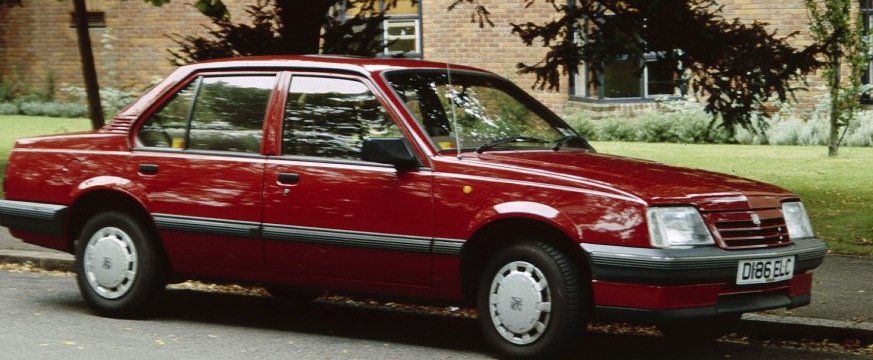
The Vauxhall Cavalier Mk II 2.0i CAT, produced between 1986 and 1988, represented a mid-range offering within the second generation of the popular Cavalier. Positioned above the base models and below the more powerful GSi variants, the 2.0i CAT aimed to provide a balance of performance, fuel economy, and affordability for the British family car market. It was a key component of Vauxhall’s strategy to compete with rivals like the Ford Sierra and Austin Montego, offering a comfortable and relatively modern driving experience. The “CAT” designation refers to the catalytic converter fitted to the exhaust system, a feature increasingly important for meeting emerging emissions regulations in Europe. The Cavalier Mk II, built upon the GM J-platform, was a significant seller for Vauxhall, and the 2.0i CAT trim found a solid niche among buyers seeking a step up in refinement without the expense of the performance models.
Powertrain & Engine Architecture
The heart of the Cavalier 2.0i CAT was the C20NE engine, a 1,998 cc (121.8 cubic inches) inline-four cylinder powerplant. This engine was a substantial improvement over the smaller displacement units found in lower-spec Cavaliers. The C20NE featured a cast iron block and an aluminum cylinder head, employing a single overhead camshaft (SOHC) design with two valves per cylinder. Fuel delivery was managed by Bosch Motronic fuel injection, a system that improved efficiency and reduced emissions compared to earlier carbureted Vauxhall engines. The catalytic converter, integral to the “CAT” designation, played a crucial role in reducing harmful exhaust gases. The engine produced 115 horsepower at 5200 rpm and 137 lb-ft of torque at 3600 rpm. While not a high-performance engine, it provided adequate power for comfortable cruising and overtaking. The engine was typically paired with a four-speed automatic transmission, although a five-speed manual gearbox was also available as an option. The automatic transmission, while offering convenience, did slightly diminish the car’s acceleration compared to the manual version. The four-speed automatic was a GM-sourced unit, known for its smooth operation but not particularly quick shifts. It was designed more for comfort and fuel efficiency than outright performance.
Driving Characteristics
The Cavalier 2.0i CAT with the automatic transmission offered a smooth and relaxed driving experience. Acceleration was respectable, taking around 11-12 seconds to reach 60 mph, but it wasn’t particularly brisk. The automatic gearbox featured relatively long gear ratios, prioritizing fuel economy over outright performance. This made it well-suited for long journeys and everyday commuting. Compared to the manual transmission version, the automatic suffered a slight performance penalty, but the convenience factor was a major draw for many buyers. The steering was light and precise, making the car easy to maneuver in urban environments. The suspension, while comfortable, wasn’t particularly sporty, resulting in a noticeable amount of body roll during cornering. Overall, the driving experience was geared towards comfort and practicality rather than dynamic handling. The automatic transmission’s shift points were calibrated for smooth transitions, and it lacked the kickdown responsiveness of some contemporary automatics. This made it a pleasant cruiser but less engaging for spirited driving.
Equipment & Trim Levels
The 2.0i CAT trim level generally included features such as central locking, electric front windows, and a basic stereo system. Interior upholstery was typically cloth, available in a range of colors. The dashboard layout was functional and straightforward, with clearly labeled controls. Optional extras included a sunroof, upgraded stereo systems, and alloy wheels. The 2.0i CAT occupied a middle ground in the Cavalier lineup, offering more equipment than the base models but lacking the sporty enhancements found on the GSi variants. The trim level aimed to appeal to buyers who wanted a well-equipped and comfortable family car without the higher price tag of the performance-oriented models. Features like a trip computer and upgraded sound systems were available as dealer-installed options, allowing buyers to customize their vehicles to some extent.
Chassis & Braking
The Cavalier Mk II utilized a MacPherson strut front suspension and a twist-beam rear suspension. This setup provided a good balance of ride comfort and handling. The front brakes were ventilated discs, while the rear brakes were typically drum brakes, although some later models featured rear disc brakes. The braking system was adequate for the car’s weight and performance, but it lacked the stopping power of the more powerful GSi models. Stabilizer bars were fitted to both the front and rear axles to reduce body roll. The chassis was relatively lightweight, contributing to the car’s fuel efficiency and handling characteristics. The suspension was tuned for comfort, prioritizing a smooth ride over sharp handling. This made it a comfortable car for long distances, but it wasn’t particularly engaging on winding roads.
Market Reception & Comparison
The Cavalier 2.0i CAT was generally well-received by automotive critics. It was praised for its comfortable ride, spacious interior, and relatively affordable price. However, some critics noted that the automatic transmission could feel sluggish, and the handling wasn’t as sharp as some of its rivals. Compared to the 1.6-liter Cavaliers, the 2.0i CAT offered a noticeable performance improvement, but it came at a higher price. Compared to the GSi models, it lacked the sporty styling and performance enhancements, but it was more fuel-efficient and easier to live with on a daily basis. Fuel economy was a strong point, averaging around 28-32 mpg in mixed driving conditions. Reliability was generally good, although the automatic transmission could be prone to issues if not properly maintained. The 2.0i CAT competed directly with models like the Ford Sierra 2.0L and the Austin Montego 2.0, offering a similar level of comfort and practicality.
Legacy
The Vauxhall Cavalier Mk II 2.0i CAT remains a popular classic car among enthusiasts. The C20NE engine is known for its durability and relatively simple construction, making it a relatively easy engine to maintain and repair. Parts availability is generally good, although some specific components can be difficult to find. The automatic transmission, while not as robust as the manual gearbox, can provide years of reliable service with proper maintenance. Today, these Cavaliers are often sought after as affordable and practical classic cars, offering a nostalgic glimpse into 1980s British motoring. The 2.0i CAT represents a sweet spot in the Cavalier Mk II range, offering a good balance of performance, comfort, and affordability. Well-maintained examples are becoming increasingly collectible, and they continue to provide a comfortable and enjoyable driving experience. The C20NE engine, in particular, has gained a reputation for being a reliable and long-lasting unit, making these Cavaliers a good choice for those looking for a classic car that won’t break the bank.