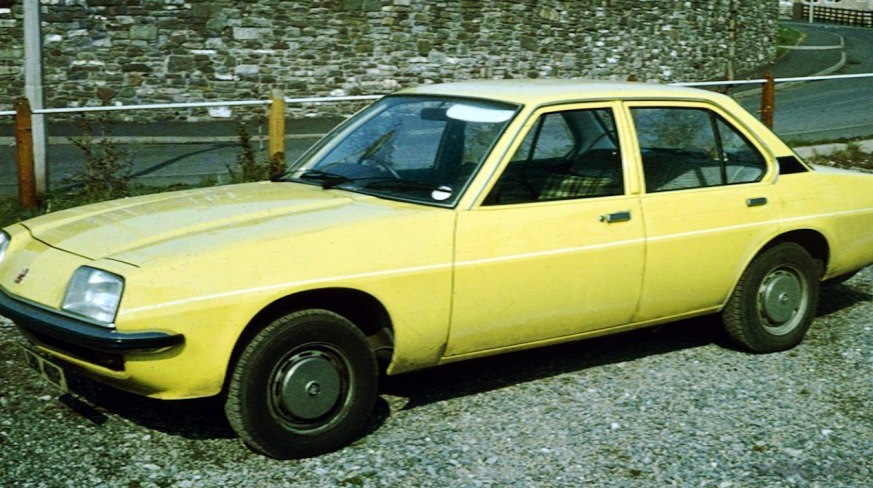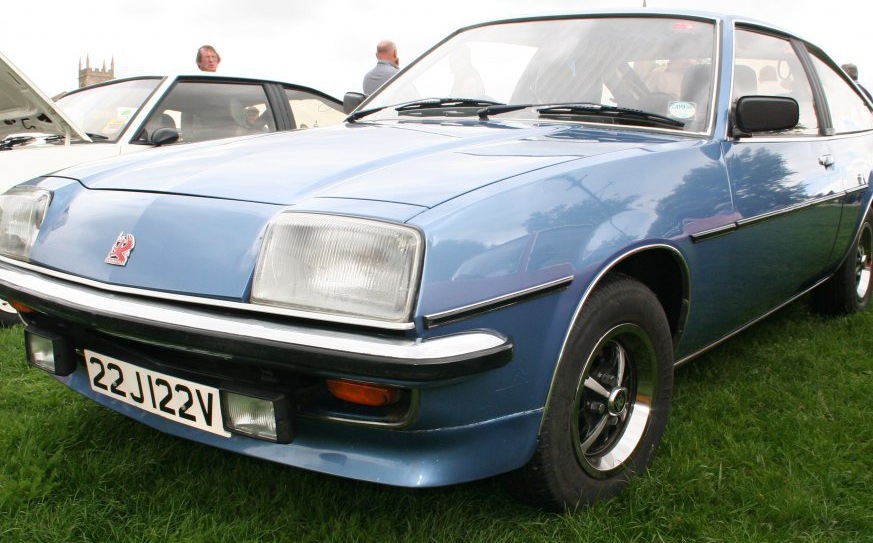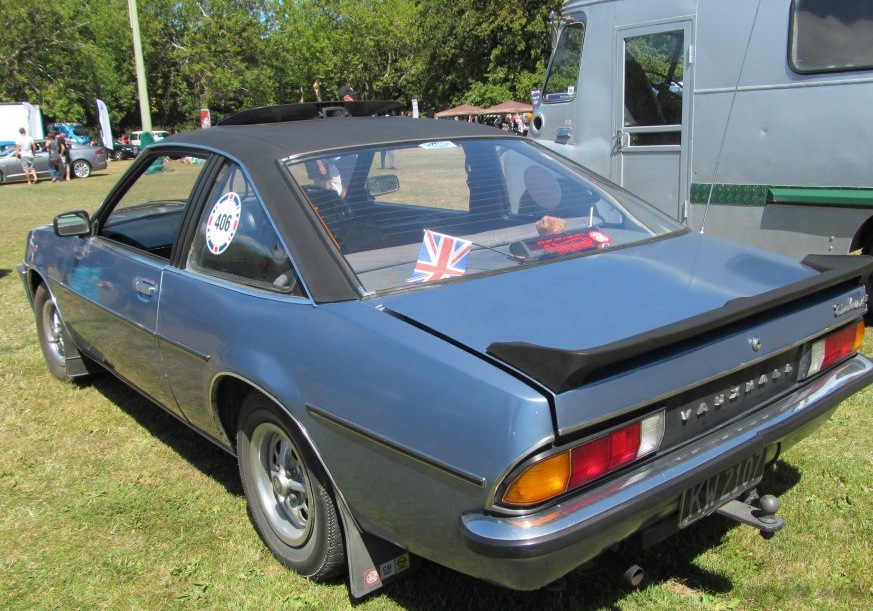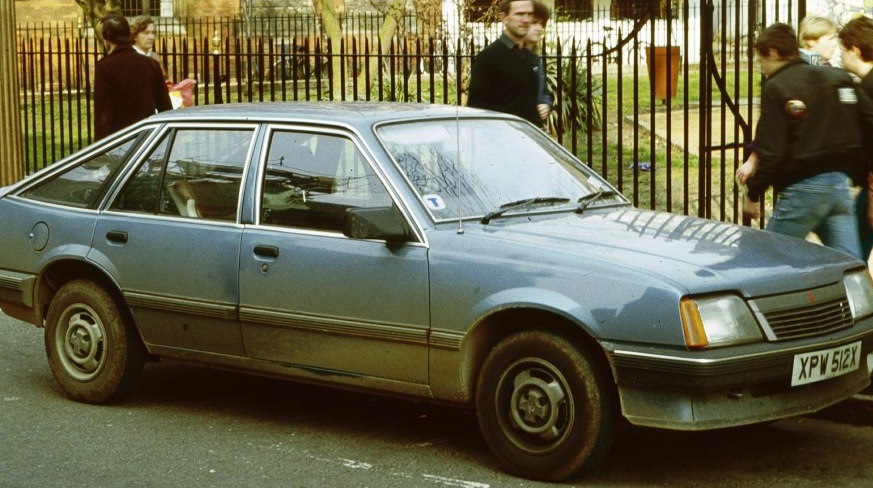
The Vauxhall Cavalier Mk II CC 1.3 S, produced between 1981 and 1988, represented an entry-level offering within the broader Cavalier Mk II (CC) range. Positioned as a practical and affordable family hatchback, it served as a key model for Vauxhall in the UK market during a period of significant automotive change. The “CC” designation signified a comprehensive update to the original Cavalier, offering improved styling, interior space, and mechanical refinements. This 1.3 S variant, with its 75 horsepower engine and typically paired automatic transmission, aimed at buyers prioritizing economy and ease of use over outright performance.
Technical Specifications
| Brand | Vauxhall |
| Model | Cavalier |
| Generation | Cavalier Mk II CC |
| Type (Engine) | 1.3 S (75 Hp) |
| Start of production | 1981 |
| End of production | 1988 |
| Powertrain Architecture | Internal Combustion Engine |
| Body type | Hatchback |
| Seats | 5 |
| Doors | 5 |
| Fuel Type | Petrol (Gasoline) |
| Power | 75 Hp |
| Engine Model/Code | 13S, 13SC |
| Engine aspiration | Naturally aspirated engine |
| Engine oil capacity | 2.5 l (2.64 US qt | 2.2 UK qt) |
| Coolant capacity | 6.5 l (6.87 US qt | 5.72 UK qt) |
| Drivetrain | Front wheel drive |
Powertrain & Engine Architecture
The heart of the Cavalier 1.3 S was the 1296cc (79.1 cubic inch) inline-four cylinder engine, designated as either 13S or 13SC depending on minor variations throughout the production run. This engine was a relatively simple design, featuring a single overhead camshaft (SOHC) operating two valves per cylinder. Fuel delivery was managed by a carburetor, a common feature for vehicles of this era, rather than fuel injection. The carburetor provided adequate, though not particularly refined, fuel atomization. The engine’s modest output of 75 horsepower at approximately 6000 rpm and around 84 lb-ft of torque was sufficient for everyday driving, but didn’t offer significant acceleration. The automatic transmission, typically a three-speed unit, was designed for smooth operation and ease of use, prioritizing comfort over sporty performance. It was a common GM automatic, known for its durability but not its responsiveness.
Driving Characteristics
The 1.3 S automatic offered a decidedly unhurried driving experience. Acceleration was modest, with 0-60 mph times estimated around 14-16 seconds. The three-speed automatic transmission, while providing smooth shifts, lacked the close ratios found in manual transmissions or more modern automatics. This resulted in a noticeable ‘hunting’ for the correct gear, particularly when attempting to overtake or climb hills. The gear ratios were optimized for fuel economy rather than performance. Compared to the more powerful 1.6 and 2.0-liter versions of the Cavalier, the 1.3 S felt significantly slower. However, for drivers prioritizing ease of use and fuel efficiency, the 1.3 S provided a comfortable and predictable driving experience. The front-wheel-drive layout offered reasonable handling, although it wasn’t particularly engaging for enthusiastic drivers.
Equipment & Trim Levels
The 1.3 S trim level was considered the entry point into the Cavalier Mk II range. Standard equipment typically included cloth upholstery, basic instrumentation (speedometer, fuel gauge, temperature gauge), and a four-speaker stereo system. The interior was functional and durable, but lacked the more luxurious appointments found in higher-spec models like the GLS or SR. Optional extras included a sunroof, upgraded stereo systems, and central locking. The dashboard layout was straightforward and easy to use, with clearly labeled controls. The exterior styling was relatively understated, with basic hubcaps and minimal chrome trim. The focus was on providing a practical and affordable vehicle rather than a visually striking one.
Chassis & Braking
The Cavalier Mk II CC utilized a MacPherson strut front suspension and a twist-beam rear suspension. This setup provided a reasonable balance between ride comfort and handling. The 1.3 S typically featured drum brakes on the rear wheels and disc brakes on the front, a common configuration for vehicles in this class at the time. The braking system was adequate for normal driving conditions, but lacked the stopping power of more modern braking systems. Stabilizer bars were fitted to both the front and rear axles, helping to reduce body roll during cornering. The steering was power-assisted, making it relatively easy to maneuver at low speeds.
Market Reception & Comparison
The Cavalier 1.3 S was generally well-received as a practical and affordable family car. Critics praised its fuel economy and ease of use, but noted its lack of performance. Compared to the 1.6-liter and 2.0-liter versions of the Cavalier, the 1.3 S offered significantly lower running costs but at the expense of driving enjoyment. The 1.6-liter models provided a noticeable performance boost, while the 2.0-liter versions offered a more refined driving experience. The 1.9-liter diesel versions, introduced later in the Mk II’s lifespan, offered even greater fuel economy but were considerably slower. The 1.3 S appealed to buyers who prioritized economy and practicality over performance, such as first-time drivers or those using the car primarily for commuting.
Legacy
The Cavalier Mk II 1.3 S, while not a particularly sought-after classic today, represents a significant piece of British automotive history. The 13S/13SC engine, while simple, proved to be relatively reliable, and many examples are still on the road today. However, age and corrosion are common issues with these vehicles. Parts availability can be challenging, but many components are still available from specialist suppliers. The automatic transmission, if properly maintained, is generally durable. In the used car market, the 1.3 S commands relatively low prices, making it an affordable entry point into classic car ownership. Its enduring appeal lies in its simplicity, affordability, and nostalgic value, representing a bygone era of British motoring.