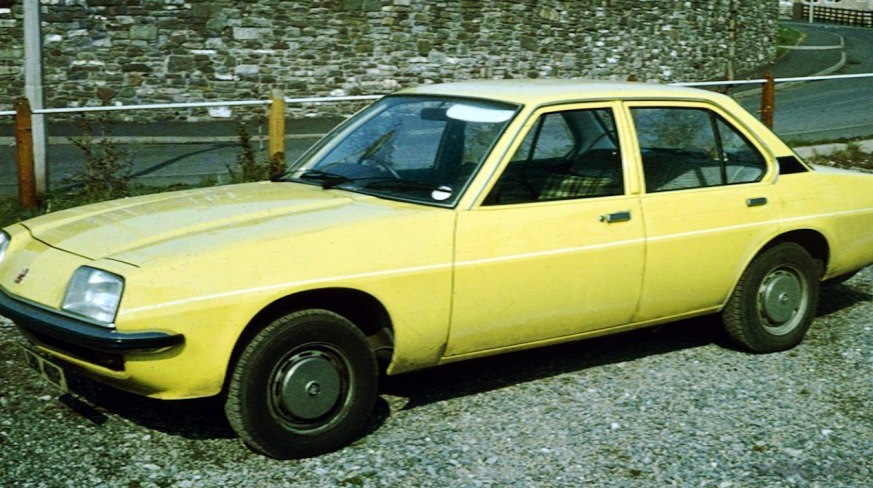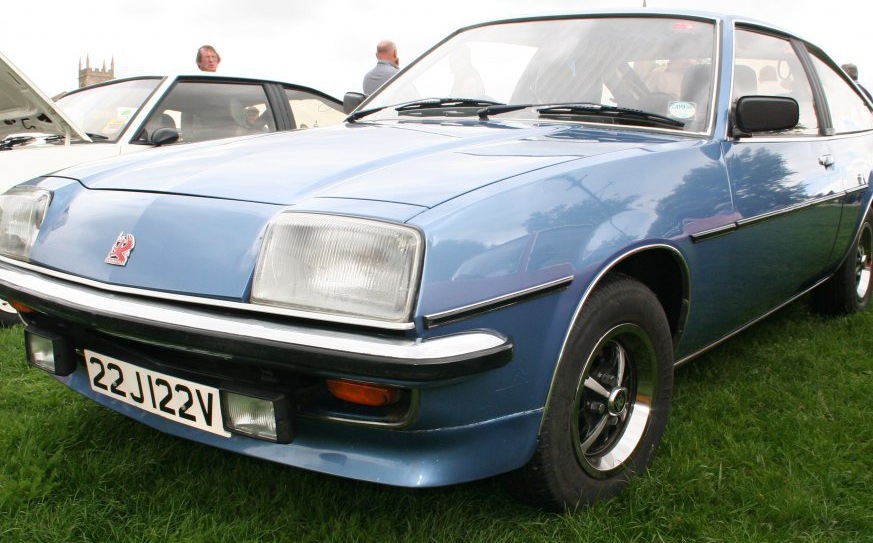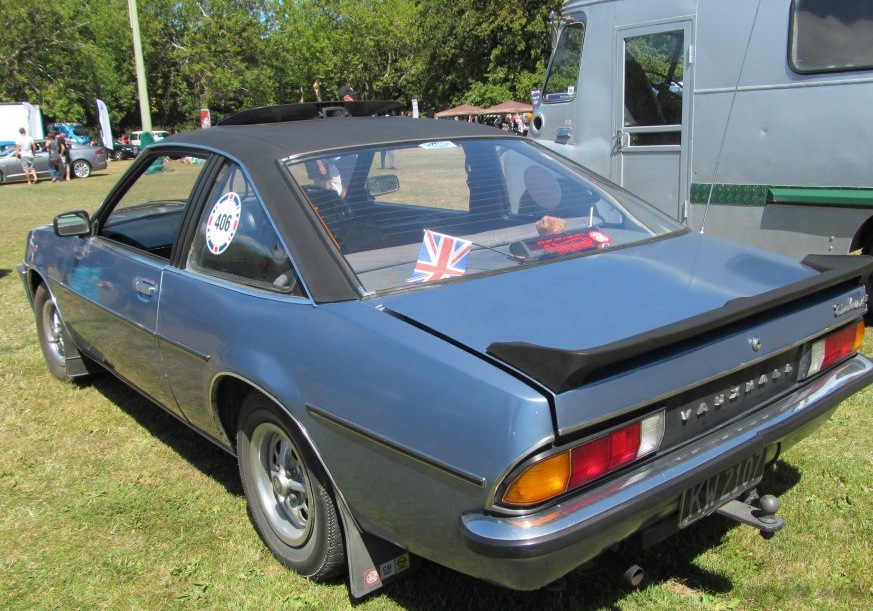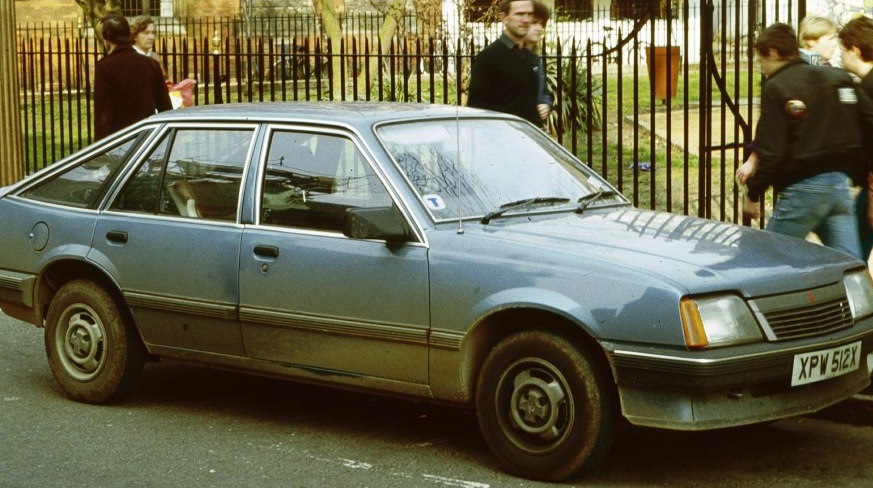
The Vauxhall Cavalier Mk II CC 1.6 S, produced between 1981 and 1986, represented a key entry point into the popular Cavalier range during a period of significant development for Vauxhall. Part of the Mk II CC (Coupe/Commodore) generation, which itself was a substantial redesign of the original Cavalier, the 1.6 S offered a balance of affordability, practicality, and reasonable performance for the British market. It sat within the broader A3 platform family, shared with Opel Ascona and other General Motors Europe vehicles. This variant was aimed at buyers seeking a comfortable, family-friendly hatchback with lower running costs than the more powerful models.
Technical Specifications
| Brand | Vauxhall |
| Model | Cavalier |
| Generation | Cavalier Mk II CC |
| Type (Engine) | 1.6 S (90 Hp) |
| Start of production | 1981 |
| End of production | 1986 |
| Powertrain Architecture | Internal Combustion engine |
| Body type | Hatchback |
| Seats | 5 |
| Doors | 5 |
| Fuel Type | Petrol (Gasoline) |
| Power | 90 Hp |
| Engine Model/Code | 16S |
| Engine aspiration | Naturally aspirated engine |
| Engine oil capacity | 3 l (3.17 US qt | 2.64 UK qt) |
Powertrain & Engine Architecture
The heart of the Cavalier 1.6 S was the 16S engine, a 1.6-liter inline-four cylinder petrol engine. This engine, while not particularly groundbreaking, was a reliable and relatively efficient unit for its time. It featured a single overhead camshaft (SOHC) design, operating two valves per cylinder. Fuel delivery was managed by a carburetor, a common feature on vehicles of this era, though later iterations saw the introduction of fuel injection in some markets. The 16S engine produced 90 horsepower, providing adequate, if not exhilarating, performance. The engine’s design prioritized durability and ease of maintenance over outright power.
The 1.6 S was typically paired with a four-speed automatic transmission. This transmission, while offering convenience, was not known for its sporty characteristics. It was geared towards smooth, comfortable cruising rather than rapid acceleration. The automatic transmission contributed to a more relaxed driving experience, appealing to a broader range of drivers, particularly those prioritizing ease of use over performance. Manual transmission options were also available on other trims.
Driving Characteristics
The driving experience in the Cavalier 1.6 S Automatic was characterized by its comfort and ease of use. Acceleration was adequate for everyday driving, but the automatic transmission and relatively modest power output meant it wasn’t a particularly quick car. The four-speed automatic had relatively widely spaced gear ratios, which meant that the engine could feel strained during overtaking maneuvers. Compared to the manual transmission versions, the automatic offered less driver engagement and slightly slower acceleration times. Against higher-spec Cavaliers, such as those equipped with larger engines (like the 2.0L), the 1.6 S felt noticeably less powerful. However, the automatic transmission smoothed out the power delivery, making it a more forgiving car to drive in urban environments.
Equipment & Trim Levels
The 1.6 S trim level represented a mid-range offering within the Cavalier Mk II CC lineup. Standard equipment typically included cloth upholstery, a basic stereo system, and central locking. The interior was functional and reasonably well-appointed for a car in its class. Optional extras included a sunroof, upgraded stereo systems, and metallic paint finishes. The dashboard layout was typical of the early 1980s, with a straightforward arrangement of gauges and controls. The 1.6 S aimed to provide a good level of comfort and convenience without the added expense of the more luxurious trims.
Chassis & Braking
The Cavalier Mk II CC utilized a MacPherson strut front suspension and a twist-beam rear suspension. This setup provided a comfortable ride, although it wasn’t particularly sporty. The front suspension offered decent handling characteristics, while the rear suspension prioritized ride comfort. Braking was typically accomplished with disc brakes on the front wheels and drum brakes on the rear wheels. The braking system was adequate for normal driving conditions, but it lacked the stopping power of more modern systems. Stabilizer bars were fitted to both the front and rear axles, helping to reduce body roll during cornering. The chassis was designed to provide a balance between comfort, handling, and affordability.
Market Reception & Comparison
The Cavalier 1.6 S Automatic was generally well-received by critics as a practical and affordable family car. It was praised for its comfortable ride, spacious interior, and reasonable fuel economy. However, it was also criticized for its lack of performance and somewhat dated styling. Compared to other trims in the Cavalier lineup, the 1.6 S offered a more economical option for buyers who didn’t require the extra power of the larger engines. Against competitors like the Ford Sierra and Austin Metro, the Cavalier offered a competitive package in terms of price, space, and reliability. Fuel economy was a strong point, averaging around 28-32 mpg in mixed driving conditions, which was competitive for the time. Reliability was generally good, although carburetor-related issues could occasionally arise.
Legacy
The Vauxhall Cavalier Mk II CC 1.6 S Automatic, while not a particularly iconic or high-performance variant, holds a significant place in British automotive history. It represents a typical family car of the early 1980s, offering a blend of practicality, affordability, and reliability. Today, these cars are relatively rare and are becoming increasingly sought after by classic car enthusiasts. The 16S engine, while simple in design, proved to be durable and relatively easy to maintain. The automatic transmission, while not particularly sophisticated, provided a comfortable and convenient driving experience. In the used car market, well-maintained examples of the Cavalier 1.6 S can fetch reasonable prices, appealing to those seeking a nostalgic trip back to the 1980s.