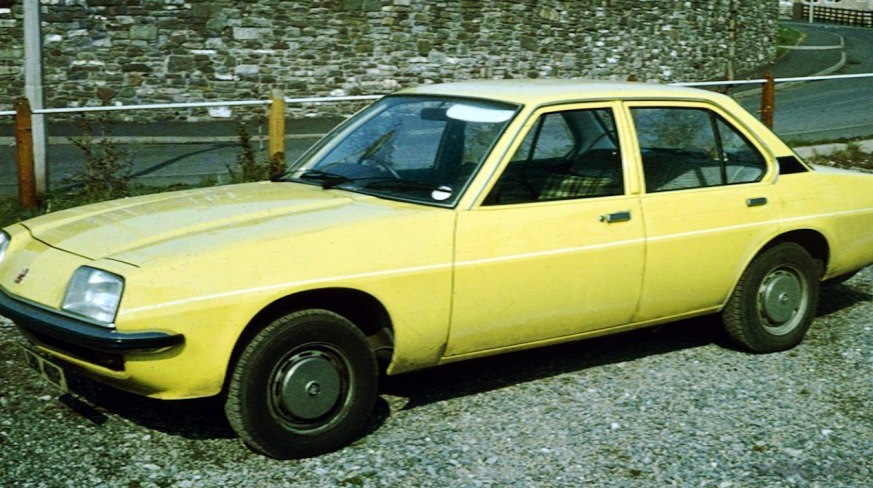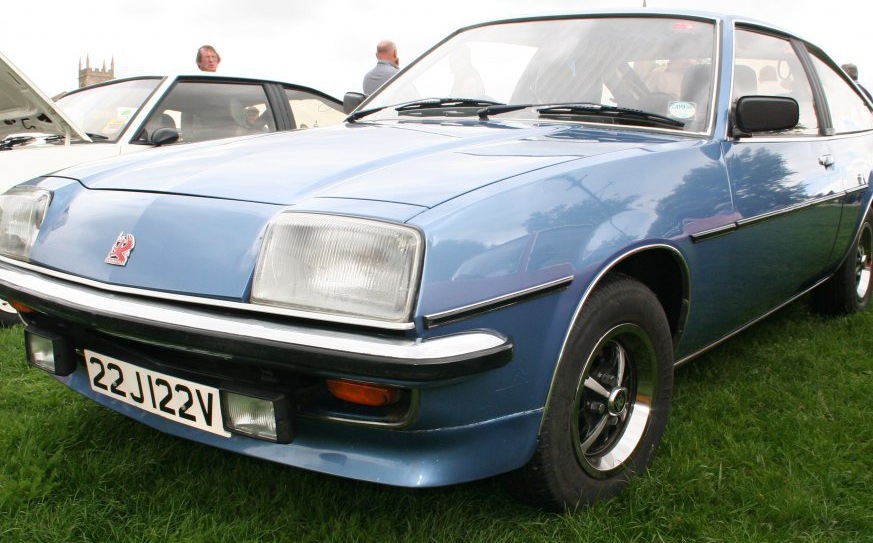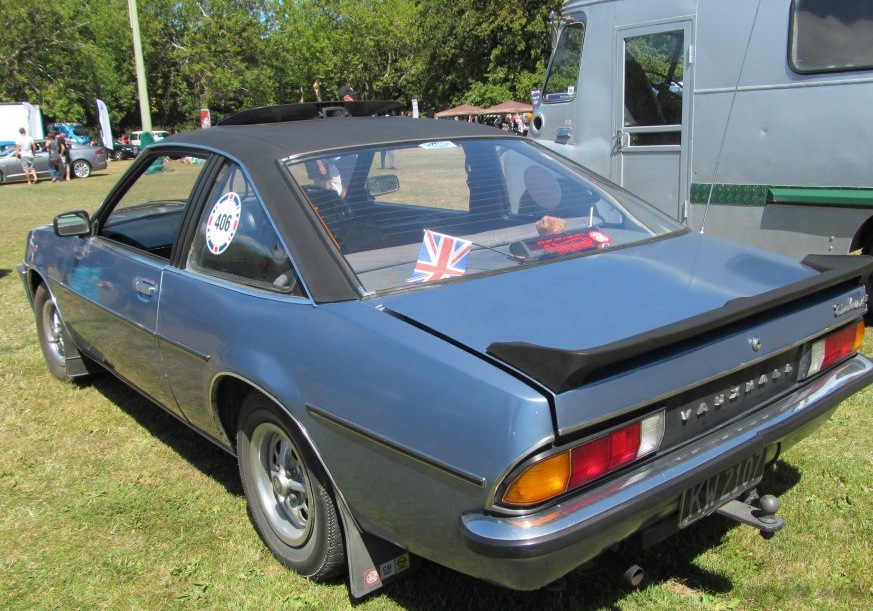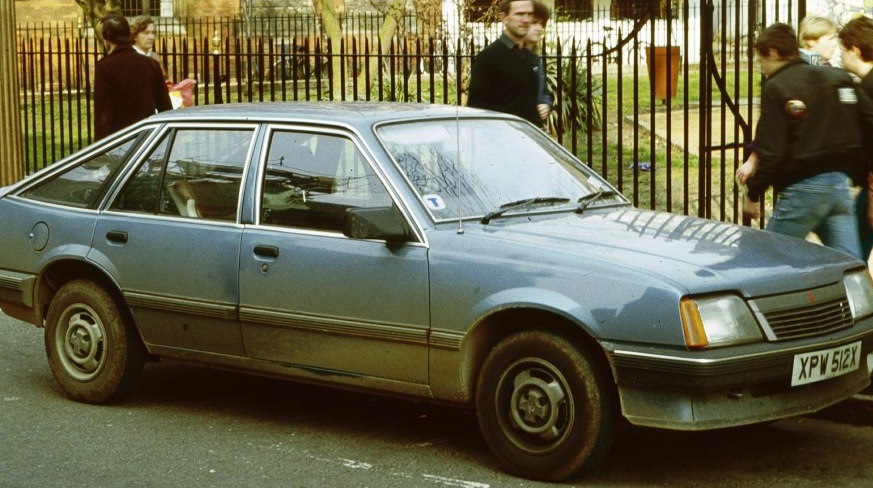
The Vauxhall Cavalier Mk II CC 1.8i, produced between 1982 and 1986, represented a significant step forward for Vauxhall in the competitive mid-size family car segment. Part of the Mk II Cavalier range (designated CC), this 1.8-liter variant occupied a middle ground in the lineup, offering a balance between performance and affordability. It was positioned above the base models and below the more powerful, often fuel-injected, variants. The Mk II Cavalier, built on the GM J-platform, aimed to provide a modern and practical vehicle for British families, competing directly with rivals like the Ford Cortina and Austin Montego.
Technical Specifications
| Brand | Vauxhall |
| Model | Cavalier |
| Generation | Cavalier Mk II CC |
| Type (Engine) | 1.8i (115 Hp) |
| Start of production | 1982 |
| End of production | 1986 |
| Powertrain Architecture | Internal Combustion engine |
| Body type | Hatchback |
| Seats | 5 |
| Doors | 5 |
| Fuel Type | Petrol (Gasoline) |
| Power | 115 Hp |
| Engine Model/Code | 18E |
| Engine aspiration | Naturally aspirated engine |
| Engine oil capacity | 3.25 l (3.43 US qt | 2.86 UK qt) |
| Coolant capacity | 7.5 l (7.93 US qt | 6.6 UK qt) |
| Drivetrain | Front wheel drive |
Powertrain & Engine Architecture
The heart of the Cavalier Mk II CC 1.8i was the 18E engine, an 1.8-liter (1799cc) inline-four cylinder petrol engine. This engine, a mainstay of Vauxhall’s lineup for many years, was known for its robustness and relative simplicity. The 18E featured a cast iron block and an aluminum cylinder head, utilizing a single overhead camshaft (SOHC) design. While some later Mk II Cavaliers received fuel injection, the 1.8i typically employed a Weber 32/36 DGV two-barrel carburetor, providing adequate fuel delivery for the engine’s output. The engine produced 115 horsepower and approximately 109 lb-ft of torque. The engine’s design prioritized reliability and ease of maintenance over outright performance. The transmission was typically a four-speed manual, but a three-speed automatic transmission (likely a GM-sourced unit) was also offered, and is the focus of this article. This automatic transmission, while providing convenience, did impact acceleration and fuel economy compared to the manual counterpart.
Driving Characteristics
The 1.8i automatic Cavalier offered a comfortable, if not particularly sporty, driving experience. The three-speed automatic transmission, while smooth in operation, had relatively widely spaced gear ratios. This meant that acceleration from a standstill was adequate, but not brisk. The engine felt most comfortable cruising at highway speeds, where it could maintain a steady pace without excessive strain. Compared to the manual transmission versions, the automatic suffered a noticeable performance deficit, particularly in overtaking situations. The automatic’s torque converter robbed some power from the engine, and the fewer gear ratios meant the engine often operated at higher RPMs for a given speed. Steering was light and easy, making it well-suited for urban driving, but lacked the feedback desired by more enthusiastic drivers. The suspension, while providing a reasonably comfortable ride, was tuned more for practicality than handling prowess.
Equipment & Trim Levels
The 1.8i trim level generally represented a mid-range offering within the Mk II Cavalier lineup. Standard equipment typically included cloth upholstery, a basic stereo system, and central locking. The interior was functional and reasonably well-appointed for its time, though it lacked the luxury features found in higher-spec models. Optional extras included a sunroof, upgraded stereo systems, and metallic paint finishes. The dashboard layout was straightforward, with clearly labeled controls. The 1.8i models often featured a slightly more refined interior trim compared to the base models, with improved fabric choices and additional sound insulation. The automatic transmission was often bundled with additional comfort features, such as power steering, as optional extras.
Chassis & Braking
The Cavalier Mk II CC utilized a MacPherson strut front suspension and a live axle rear suspension. This configuration provided a good balance between ride comfort and handling, although it wasn’t particularly sophisticated. The front suspension featured coil springs and an anti-roll bar, while the rear suspension relied on leaf springs. Braking was typically accomplished with disc brakes on the front wheels and drum brakes on the rear wheels. The braking system was adequate for normal driving conditions, but lacked the stopping power of more modern vehicles. Steering was rack and pinion, providing reasonably precise control. The chassis was relatively lightweight, contributing to the car’s overall fuel efficiency.
Market Reception & Comparison
The Cavalier Mk II CC 1.8i was generally well-received by the British motoring press. Critics praised its practicality, affordability, and comfortable ride. However, the 1.8-liter engine, particularly when paired with the automatic transmission, was often criticized for its lack of outright performance. Compared to the more powerful fuel-injected models, the 1.8i felt somewhat underpowered. However, it offered a significant improvement in fuel economy compared to those higher-output variants. The 1.8i automatic was seen as a sensible choice for drivers who prioritized comfort and convenience over sporty driving dynamics. It was a popular choice for family buyers and company car fleets.
Legacy
The Vauxhall Cavalier Mk II CC 1.8i, while not a particularly groundbreaking vehicle, played an important role in establishing Vauxhall as a major player in the British family car market. The 18E engine proved to be remarkably durable, and many examples are still on the road today. The automatic transmission, while not known for its sophistication, was generally reliable. In the used car market, the 1.8i automatic Cavalier represents an affordable and relatively easy-to-maintain classic car. Its simplicity and robust construction make it a popular choice for enthusiasts and those seeking a nostalgic driving experience. However, potential buyers should be aware of the potential for rust, a common issue with cars of this era. The 1.8i automatic Cavalier remains a testament to the enduring appeal of a practical and reliable family car.