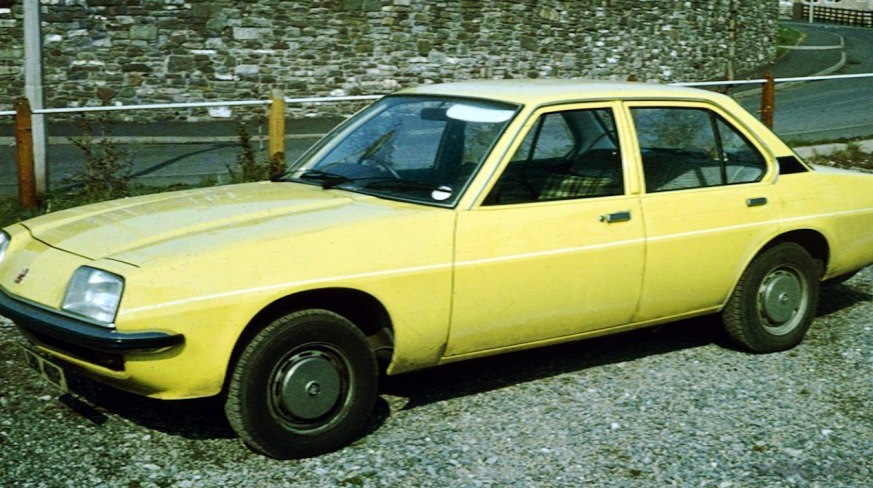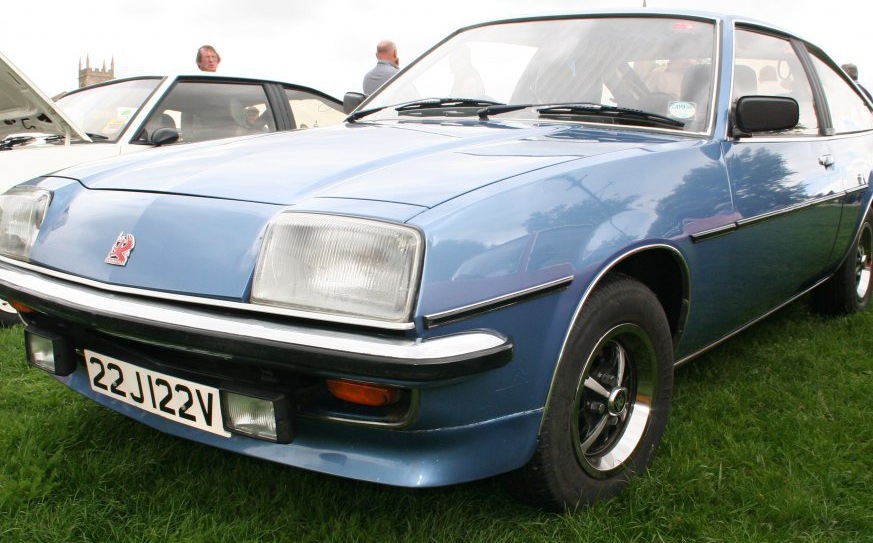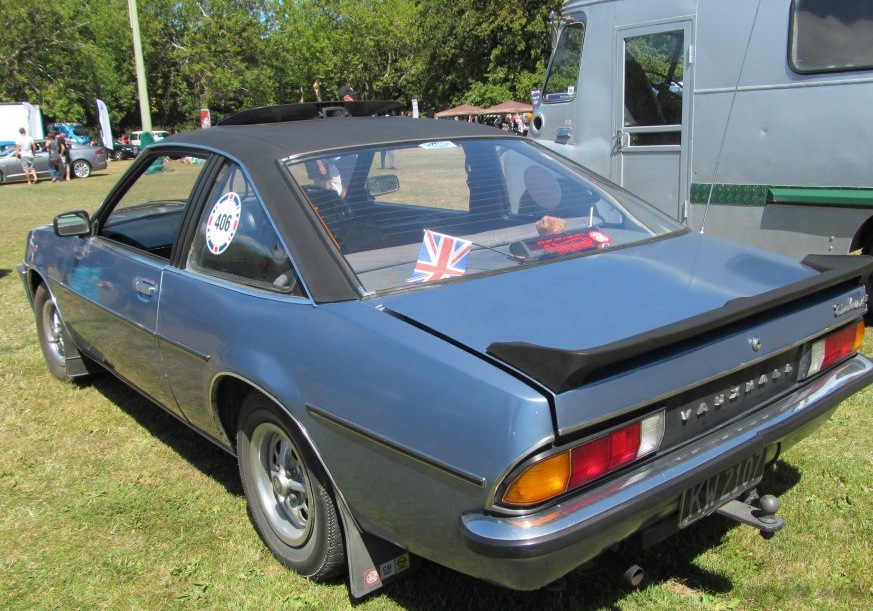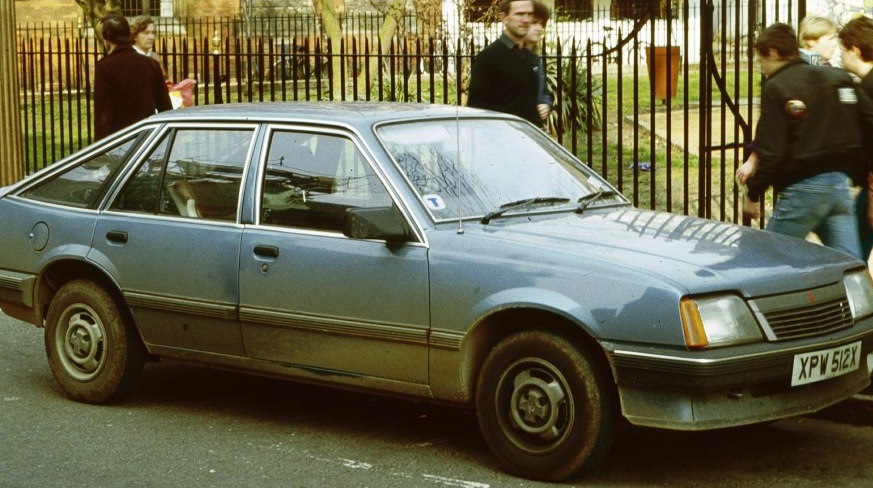
The Vauxhall Cavalier Mk II CC 1600 D, produced between 1982 and 1988, represented the entry-level diesel variant of the popular Mk II Cavalier range. Positioned as an economical and practical family car, it served as a crucial model within Vauxhall’s lineup during a period of significant competition in the British and European automotive markets. The “CC” designation signified the Cavalier Coupé, though in practice, it was a five-door hatchback. This model was part of the broader Mk II Cavalier generation (1981-1988), which aimed to modernize Vauxhall’s offerings and appeal to a wider customer base. The 1600 D, with its modest 54 horsepower, was designed for buyers prioritizing fuel efficiency and low running costs over outright performance.
Technical Specifications
| Brand | Vauxhall |
| Model | Cavalier |
| Generation | Cavalier Mk II CC |
| Type (Engine) | 1600 D (54 Hp) |
| Start of production | 1982 |
| End of production | 1988 |
| Powertrain Architecture | Internal Combustion engine |
| Body type | Hatchback |
| Seats | 5 |
| Doors | 5 |
| Fuel Type | Diesel |
| Power | 54 Hp |
| Engine Model/Code | 16D |
| Engine aspiration | Naturally aspirated engine |
| Engine oil capacity | 3.8 l (4.02 US qt | 3.34 UK qt) |
| Coolant capacity | 7.5 l (7.93 US qt | 6.6 UK qt) |
| Drivetrain Architecture | Front wheel drive |
Powertrain & Engine Architecture
The heart of the Cavalier 1600 D was the 16D diesel engine, a 1598cc inline-four cylinder unit. This engine was a naturally aspirated, indirect injection diesel, a common configuration for the time. Indirect injection, while quieter than direct injection, generally resulted in lower power output and slightly reduced fuel economy. The 16D engine utilized a Bosch mechanical fuel injection pump, delivering fuel to the pre-chamber within the cylinder head. This pre-chamber aided in combustion initiation. The engine featured a single overhead camshaft (SOHC) operating two valves per cylinder. The relatively low compression ratio, typical for indirect injection diesels, contributed to its smoother, albeit less powerful, operation. The engine was mated to a four-speed manual transmission as standard, although a three-speed automatic transmission was offered as an option, albeit less common. The automatic transmission was a Borg-Warner unit, known for its durability but also for its relatively slow shift times and tendency to sap power.
Driving Characteristics
The 1600 D, even with the manual transmission, was not a performance-oriented vehicle. With only 54 horsepower, acceleration was leisurely, and overtaking required careful planning. The automatic transmission further diminished performance, resulting in even slower acceleration and a noticeable lack of responsiveness. However, the engine produced a reasonable amount of torque for its size, making it relatively tractable in everyday driving conditions. The gear ratios in the manual transmission were geared towards economy, with a relatively tall final drive. The automatic transmission’s gear ratios were similarly optimized for fuel efficiency, further emphasizing the car’s practical nature. The steering was light, making it easy to maneuver in urban environments, but lacked significant feedback. The suspension, while comfortable, was not particularly sporty, resulting in noticeable body roll during cornering.
Equipment & Trim Levels
The 1600 D was the base model in the Cavalier range, and as such, it came with a relatively sparse equipment list. Standard features typically included cloth upholstery, a basic instrument cluster, and manual windows and door locks. Central locking and electric windows were not usually standard on this trim level, but were available as optional extras. The interior trim was generally functional and durable, prioritizing practicality over luxury. Optional extras included a radio, upgraded seat fabrics, and a sunroof. The exterior trim was also basic, with steel wheels and black plastic bumpers being common features. Higher trim levels, such as the L, GL, and SR, offered more luxurious appointments, including upgraded interiors, alloy wheels, and additional features like power steering and electric windows.
Chassis & Braking
The Cavalier Mk II CC utilized a MacPherson strut front suspension and a twist-beam rear suspension. This setup provided a reasonable balance between comfort and handling, although it was not as sophisticated as the independent rear suspension found on some of its competitors. The braking system consisted of disc brakes on the front wheels and drum brakes on the rear wheels. The brakes were adequate for the car’s performance, but lacked the stopping power of more modern braking systems. The steering was a rack-and-pinion system, providing light and easy steering. Stabilizer bars were fitted to both the front and rear axles, helping to reduce body roll during cornering. The chassis was relatively lightweight, contributing to the car’s fuel efficiency.
Market Reception & Comparison
The Cavalier 1600 D was generally well-received as an affordable and economical family car. Critics praised its fuel efficiency and low running costs, but criticized its lack of performance. Compared to its petrol-powered siblings, the 1600 D offered significantly better fuel economy, but at the expense of acceleration and overall driving enjoyment. The 1.6-liter petrol engine, for example, offered considerably more power, but consumed more fuel. The 1600 D was often compared to other entry-level diesel cars of the time, such as the Ford Escort Diesel and the Austin Metro Diesel. It generally offered a more spacious interior and a more comfortable ride than its competitors, but its performance was often comparable.
Legacy
The 1600 D powertrain, while not known for its performance or technological innovation, proved to be remarkably durable and reliable. Many examples of the Cavalier 1600 D are still on the road today, testament to the engine’s longevity. In the used car market, these models are often sought after by enthusiasts looking for a classic, affordable, and economical vehicle. Maintenance is generally straightforward, and spare parts are still readily available. However, potential buyers should be aware of the potential for rust, particularly in older examples. The Cavalier 1600 D represents a significant chapter in British automotive history, embodying the practical and economical values of the 1980s.