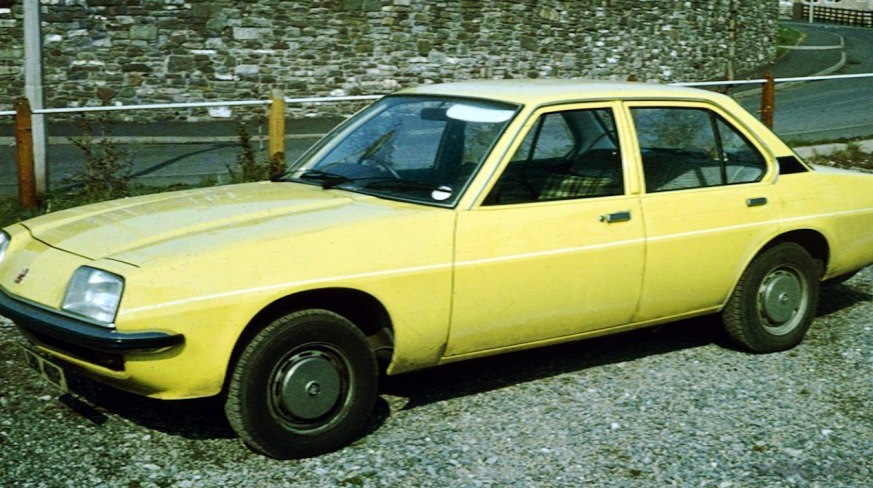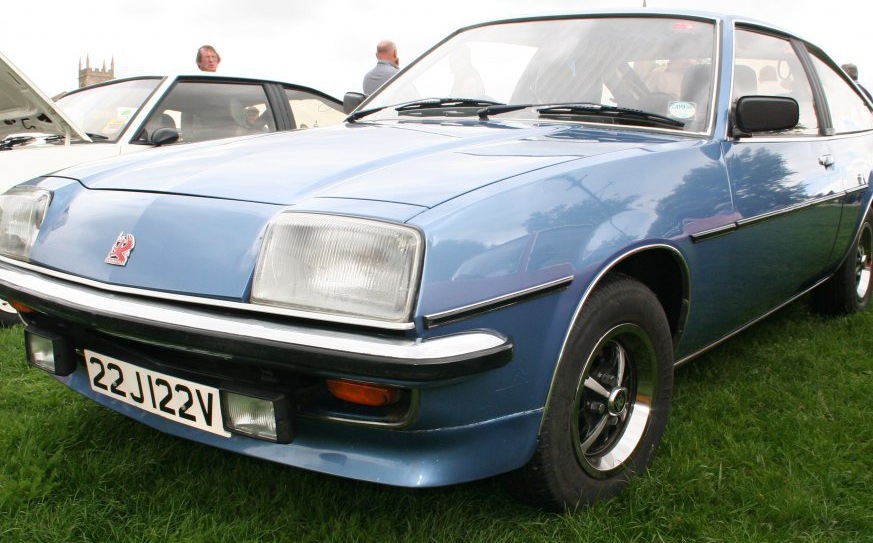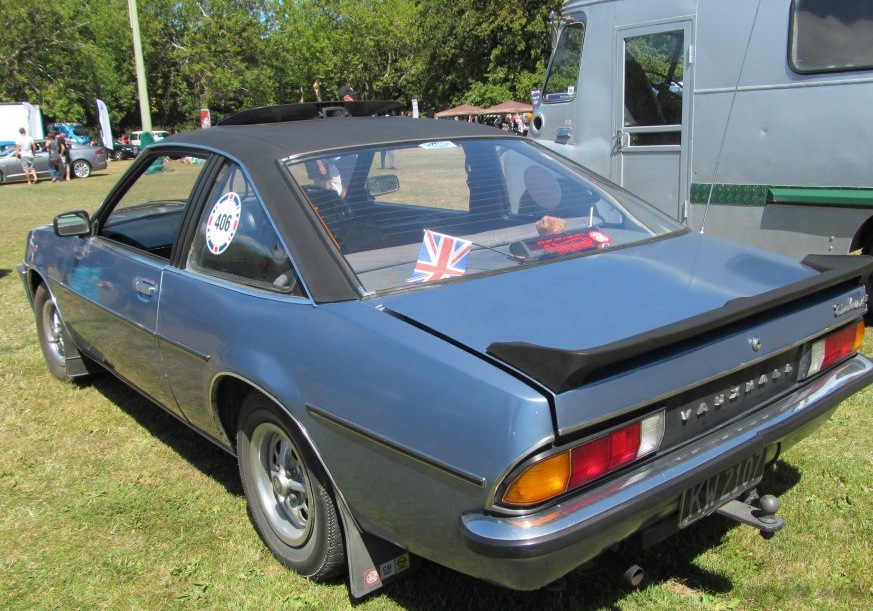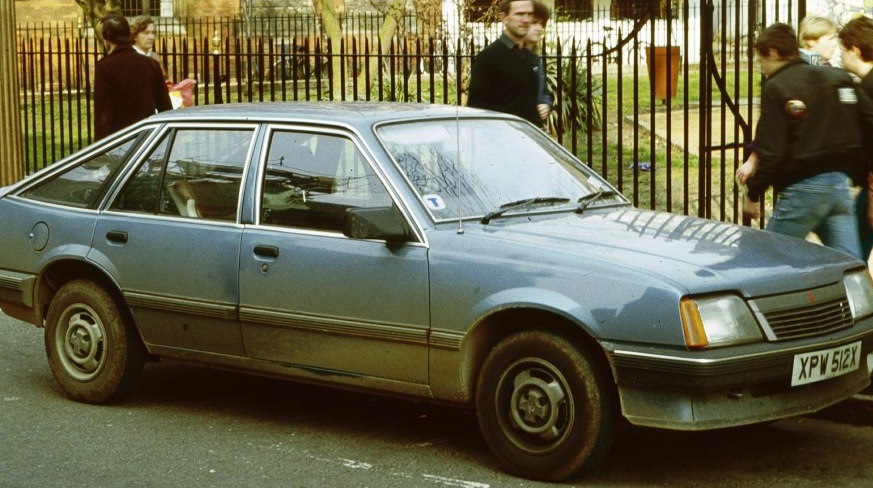
The Vauxhall Cavalier Mk II CC 2.0 SRi 130, produced between 1987 and 1988, represented a performance-oriented variant within the Mk II Cavalier range. Positioned as a sporty trim level, the SRi 130 aimed to offer a more engaging driving experience than the standard models, while remaining accessible to a broader market than the more expensive, and later introduced, GSi models. It was built on the GM J-platform, shared with other European Opel and Vauxhall vehicles of the era, and represented a significant update to the original Cavalier design, offering improved aerodynamics and a more modern interior.
Technical Specifications
| Brand | Vauxhall |
| Model | Cavalier |
| Generation | Cavalier Mk II CC |
| Type (Engine) | 2.0 SRi 130 (130 Hp) |
| Start of production | 1987 |
| End of production | 1988 |
| Powertrain Architecture | Internal Combustion engine |
| Body type | Hatchback |
| Seats | 5 |
| Doors | 5 |
| Fuel Type | Petrol (Gasoline) |
| Power | 130 Hp |
| Engine Model/Code | 20SEH |
| Engine aspiration | Naturally aspirated engine |
| Engine oil capacity | 4 l (4.23 US qt | 3.52 UK qt) |
| Coolant capacity | 6.9 l (7.29 US qt | 6.07 UK qt) |
Powertrain & Engine Architecture
The heart of the Cavalier SRi 130 was the 20SEH engine, a 1998cc inline-four cylinder, naturally aspirated gasoline engine. This engine was a key upgrade over the lower-spec Cavalier engines, featuring Bosch Motronic fuel injection and a higher compression ratio. The 20SEH produced 130 horsepower at 5800 rpm and 137 lb-ft of torque at 4400 rpm. The engine utilized a single overhead camshaft (SOHC) design with two valves per cylinder. The SRi 130 was exclusively offered with a four-speed automatic transmission, a choice that differentiated it from the five-speed manual options available on other 2.0-liter models and the higher-performance GSi variants. This automatic transmission, while providing convenience, impacted the overall acceleration and responsiveness compared to its manual counterparts.
Driving Characteristics
The driving experience in the Cavalier SRi 130 with the automatic transmission was geared towards comfortable cruising with occasional bursts of acceleration. The automatic gearbox, while smooth, wasn’t particularly quick to shift, and lacked the direct connection offered by a manual. This resulted in a 0-60 mph time of around 9.5-10 seconds, slower than the manual versions. The SRi 130’s suspension was tuned for a balance between comfort and handling, offering a reasonably controlled ride without being overly harsh. The steering was light and precise, making it easy to maneuver in urban environments. However, the automatic transmission did detract from the sporty image the SRi trim level aimed to project, making it feel less engaging than the manual versions.
Equipment & Trim Levels
The SRi 130 trim level offered a step up in equipment compared to the base Cavalier models. Standard features included a more supportive sports seating, a trip computer, central locking, electric front windows, and a more comprehensive instrument cluster. The interior typically featured a dark grey cloth upholstery with a patterned design. Optional extras included a sunroof, upgraded stereo systems, and metallic paint finishes. The SRi also featured distinctive exterior styling cues, such as a rear spoiler, body-colored bumpers, and unique alloy wheel designs, setting it apart from the more basic models. The dashboard layout was typical of the era, with a functional but somewhat dated design.
Chassis & Braking
The Cavalier Mk II CC utilized a MacPherson strut front suspension and a twist-beam rear suspension. The SRi 130 benefitted from a slightly stiffer suspension setup compared to the standard models, improving handling and reducing body roll. Braking was initially provided by disc brakes on the front wheels and drum brakes on the rear. Later models saw the introduction of rear disc brakes on some variants, but the SRi 130 typically retained the drum setup. The braking system was adequate for everyday driving, but lacked the stopping power of more modern systems. The SRi 130 featured power steering as standard, making it easy to maneuver at low speeds.
Market Reception & Comparison
The Cavalier SRi 130 was generally well-received by automotive critics as a competent and affordable family car with a touch of sporting flair. However, the automatic transmission was often criticized for detracting from the driving experience. Compared to the manual 2.0-liter Cavaliers, the SRi 130 offered similar performance but with less driver involvement. The later introduction of the GSi models, with their more powerful engines and sportier suspension, further highlighted the SRi 130’s compromise between performance and practicality. Fuel economy was reasonable for the time, averaging around 25-30 mpg in mixed driving conditions. Reliability was generally good, although the automatic transmission could be prone to issues if not properly maintained.
Legacy
The Vauxhall Cavalier Mk II CC 2.0 SRi 130, while not the most sought-after variant of the Mk II Cavalier, holds a place in automotive history as a representative of 1980s British motoring. Today, these cars are relatively rare and are becoming increasingly popular with classic car enthusiasts. The 20SEH engine is known for its durability, and well-maintained examples can still provide reliable transportation. However, finding parts can be challenging, and rust is a common issue with cars of this age. The SRi 130’s appeal lies in its combination of affordability, practicality, and a touch of 1980s style, making it a nostalgic choice for those seeking a classic British hatchback.