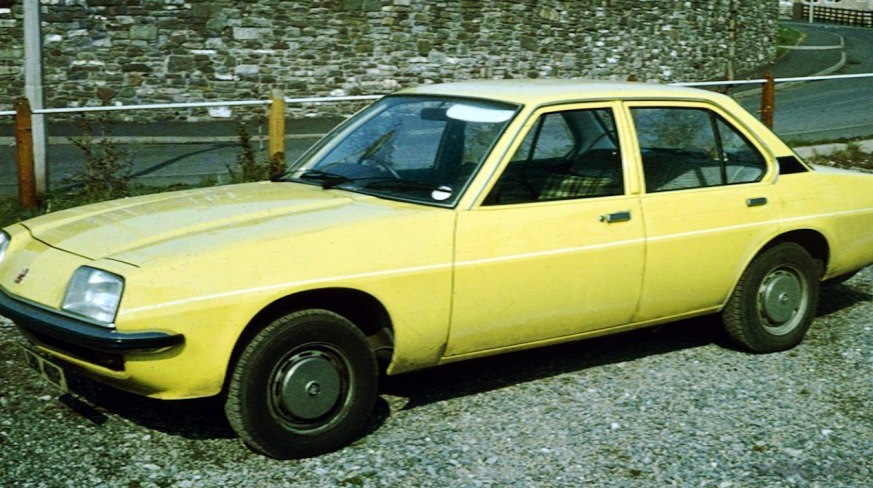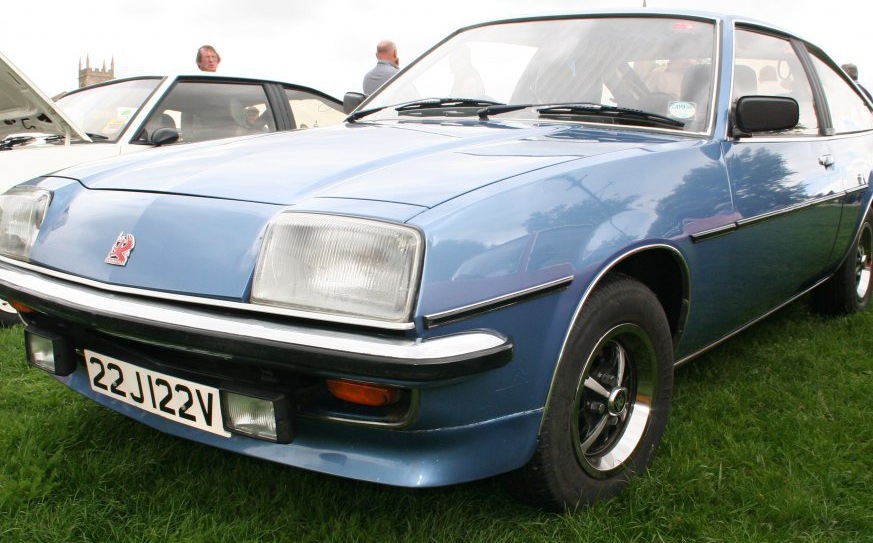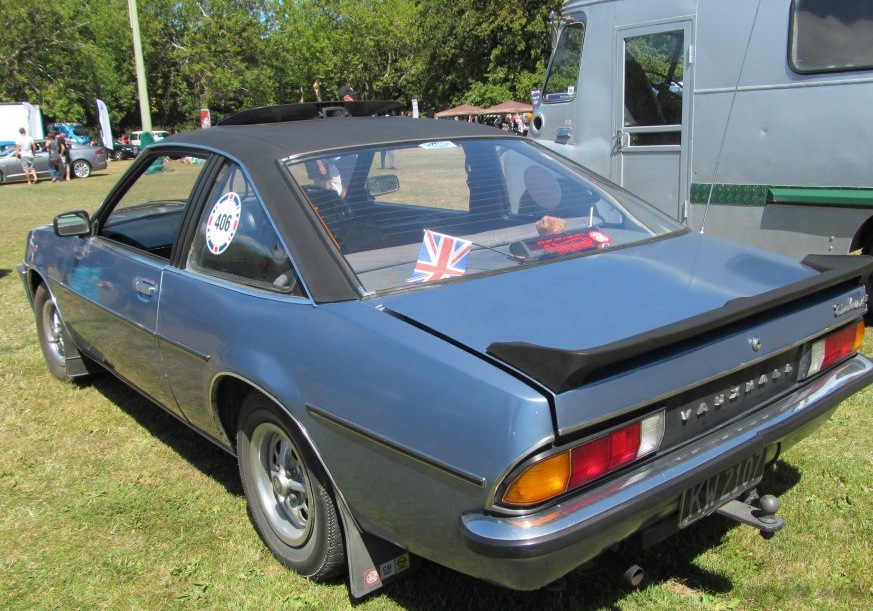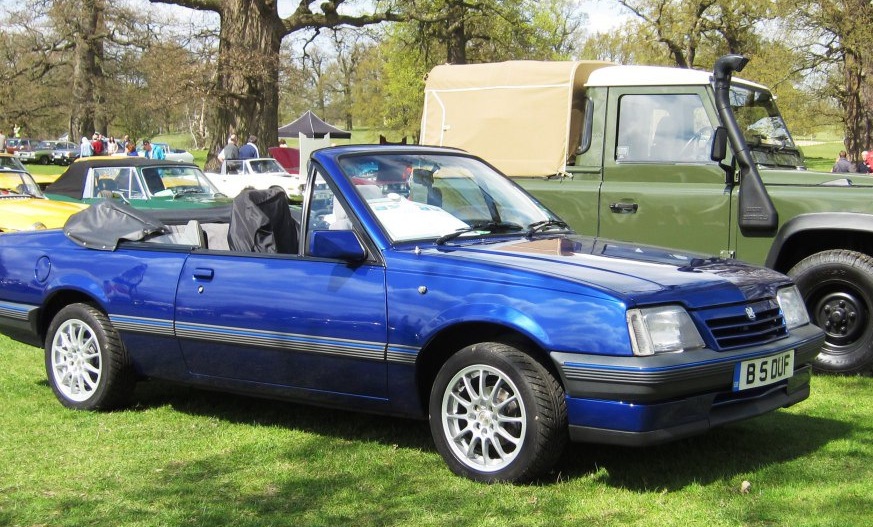
The Vauxhall Cavalier Mk II Convertible 1800i, produced between 1985 and 1988, represented a relatively affordable entry into the world of open-top motoring for the British market. This variant, powered by a 1.8-liter naturally aspirated engine producing 112 horsepower, occupied a mid-range position within the Mk II Convertible lineup, offering a balance between performance and economy. It was built upon the existing Mk II Cavalier platform (designated as the J platform), which had been introduced in 1981, and aimed to capitalize on the growing popularity of convertibles during the mid-1980s. The Cavalier itself was Vauxhall’s competitor to the Ford Sierra and other mainstream family cars, and the convertible version added a leisure-focused dimension to the range.
Technical Specifications
| Brand | Vauxhall |
| Model | Cavalier |
| Generation | Cavalier Mk II Convertible |
| Type (Engine) | 1800i (112 Hp) |
| Start of Production | 1985 |
| End of Production | 1988 |
| Powertrain Architecture | Internal Combustion Engine |
| Body Type | Cabriolet |
| Seats | 4 |
| Doors | 2 |
| Fuel Type | Petrol (Gasoline) |
| Power | 112 Hp |
| Engine Aspiration | Naturally Aspirated |
| Engine Oil Capacity | 3.5 l (3.7 US qt | 3.08 UK qt) |
| Coolant Capacity | 7.5 l (7.93 US qt | 6.6 UK qt) |
| Drivetrain | Front Wheel Drive |
Powertrain & Engine Architecture
The heart of the Cavalier 1800i Convertible was the 1799cc (1.8L) four-cylinder engine. This engine, part of Vauxhall’s ‘O’ series, was a relatively simple design featuring a cast iron block and an aluminum cylinder head. It employed a single overhead camshaft (SOHC) valvetrain with eight valves (two per cylinder). Fuel delivery was managed by a Bosch Jetronic fuel injection system, a significant upgrade over the carbureted engines found in earlier Cavaliers. This system contributed to improved fuel efficiency and smoother running compared to its predecessors. The engine’s 112 horsepower output was achieved at 5800 rpm, with peak torque of 109 lb-ft arriving at 3600 rpm. The engine was mated to a three-speed automatic transmission, which was a popular choice for buyers prioritizing ease of use over outright performance. This transmission was a GM-sourced unit, known for its reliability but not particularly for its responsiveness.
Driving Characteristics
The 1800i automatic combination resulted in a comfortable, but not particularly sporty, driving experience. Acceleration was adequate for everyday driving, with a 0-60 mph time estimated around 11-12 seconds. The automatic transmission, while smooth, lacked the urgency of a manual gearbox, and the relatively low gear ratios meant the engine often felt strained during overtaking maneuvers. The power delivery was linear, but the engine lacked the punch of the later 2.0-liter variants. The front-wheel-drive configuration provided predictable handling, but the soft suspension setup, typical of convertibles of the era, resulted in noticeable body roll in corners. The steering was light and easy, making it well-suited for urban driving.
Equipment & Trim Levels
The 1800i Convertible typically came equipped with a reasonable level of standard features for its price point. These included cloth upholstery, a basic stereo system, and power steering. The convertible top was manually operated, a cost-saving measure compared to the electric versions offered on more expensive models. Optional extras included upgraded stereo systems, alloy wheels, and a rear spoiler. Interior trim was generally functional rather than luxurious, with a focus on durability. The dashboard layout was typical of the early 1980s, featuring analog gauges and a relatively simple control layout. The trim level sat between the base models and the higher-spec 2.0-liter versions, offering a good balance of features and affordability.
Chassis & Braking
The Cavalier Mk II Convertible utilized a MacPherson strut front suspension and a twist-beam rear suspension. The suspension was tuned for comfort, prioritizing ride quality over handling precision. Braking was initially provided by disc brakes on the front wheels and drum brakes on the rear. Later models saw the introduction of rear disc brakes as standard equipment, improving stopping performance. The steering was a rack-and-pinion system, providing reasonably precise control. Stabilizer bars were fitted to both the front and rear axles to reduce body roll, but their effectiveness was limited by the soft suspension setup. The chassis was reinforced compared to the standard saloon to compensate for the loss of structural rigidity due to the removal of the roof.
Market Reception & Comparison
The Cavalier 1800i Convertible was generally well-received by the British motoring press as an affordable and stylish open-top car. Critics praised its comfortable ride and reasonable performance, but noted its lack of outright sporting prowess. Compared to the 2.0-liter versions, the 1800i offered lower running costs and insurance premiums, making it attractive to a wider range of buyers. However, the 2.0-liter models provided significantly more performance and a more engaging driving experience. Fuel economy was respectable for the time, averaging around 28-32 mpg. Reliability was generally good, although the automatic transmission could be prone to occasional issues if not properly maintained. The Cavalier Convertible competed directly with the Ford Sierra Convertible and other smaller, more affordable convertibles on the market.
Legacy
The Vauxhall Cavalier Mk II Convertible 1800i remains a popular choice among classic car enthusiasts today. The 1.8-liter engine and automatic transmission combination is generally considered to be reliable and relatively easy to maintain. Parts availability is reasonable, although some trim-specific components can be difficult to find. The car’s affordability and stylish design have contributed to its enduring appeal. While not a performance icon, the 1800i Convertible represents a significant milestone in Vauxhall’s history, offering a taste of open-top motoring to a wider audience. Well-maintained examples are increasingly sought after by collectors and enthusiasts, and values have been steadily rising in recent years. The car serves as a reminder of a time when convertibles were becoming more accessible and affordable for the average driver.