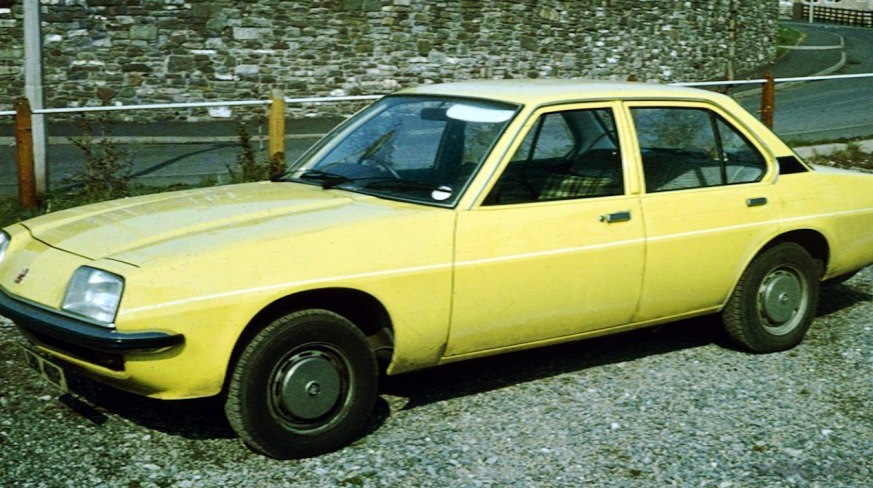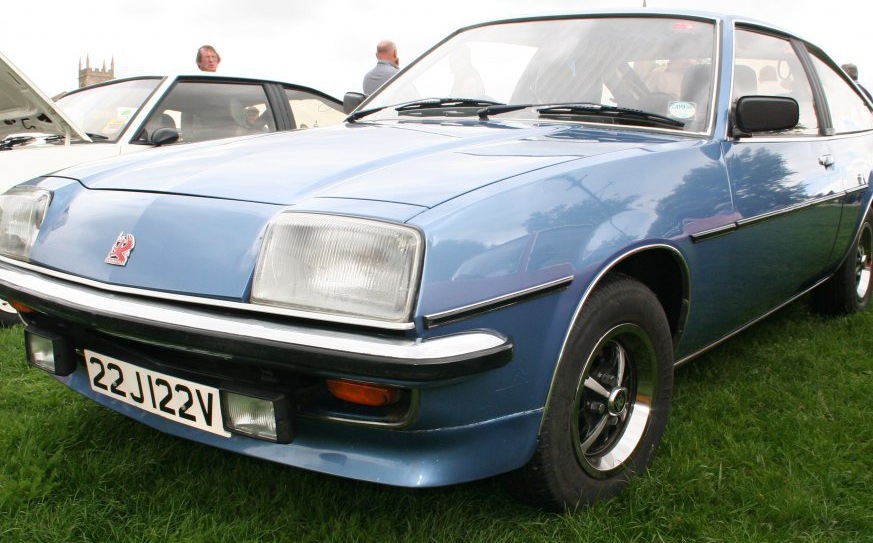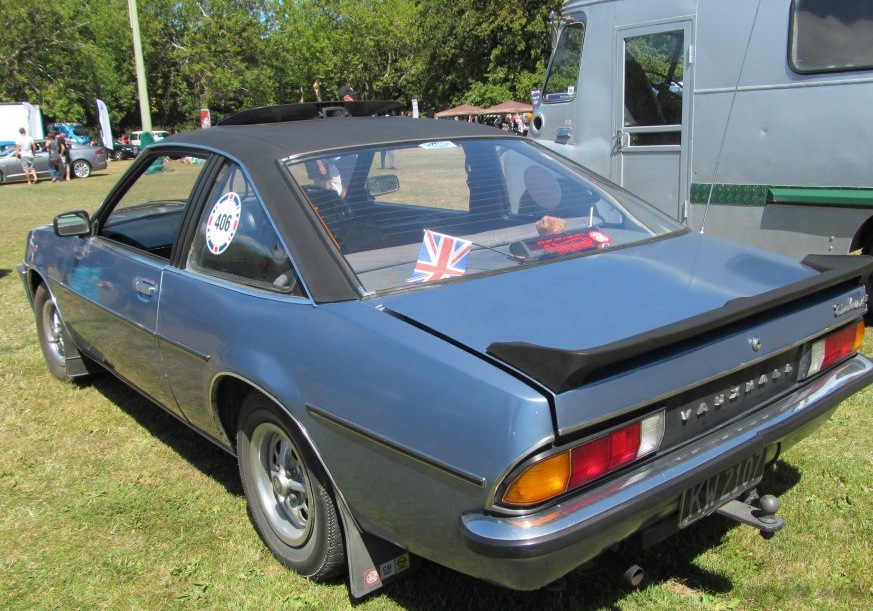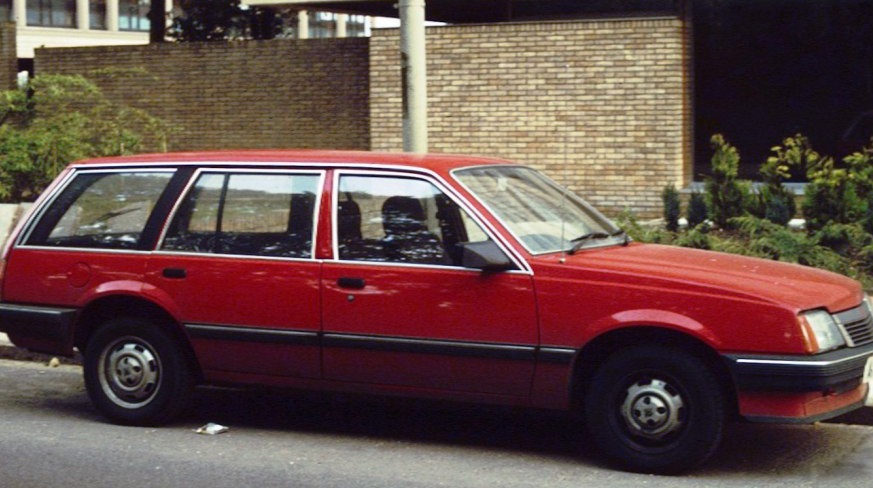
The Vauxhall Cavalier Mk II Estate 1.6, producing 90 horsepower, was a mainstay of the British family car market from 1983 to 1988. Positioned as an entry-level to mid-range offering within the Mk II Cavalier Estate lineup, it provided practical, affordable transportation for families. This variant occupied a crucial space in Vauxhall’s portfolio, offering estate car practicality with a relatively economical engine. It was part of the broader Mk II Cavalier range, which included saloon and hatchback body styles, and a variety of engine options, from smaller displacement units to more powerful fuel-injected versions. The Mk II Cavalier, and by extension the Estate, represented a significant step forward for Vauxhall in terms of design, build quality, and overall refinement compared to its predecessor.
Technical Specifications
| Brand | Vauxhall |
| Model | Cavalier |
| Generation | Cavalier Mk II Estate |
| Type (Engine) | 1.6 (90 Hp) |
| Start of production | 1983 |
| End of production | 1988 |
| Powertrain Architecture | Internal Combustion engine |
| Body type | Station wagon (estate) |
| Seats | 5 |
| Doors | 5 |
| Fuel Type | Petrol (Gasoline) |
| Power | 90 Hp |
| Engine Model/Code | 16S |
| Engine aspiration | Naturally aspirated engine |
| Engine oil capacity | 3 l (3.17 US qt | 2.64 UK qt) |
Powertrain & Engine Architecture
The 1.6-liter engine, designated as the 16S, was a naturally aspirated, inline-four cylinder unit. It featured a single overhead camshaft (SOHC) design and typically employed a two-barrel carburetor for fuel delivery. While fuel injection was becoming more common during this period, the 1.6-liter engine in the base Cavalier Estate largely retained carburetion to keep costs down. The engine’s bore and stroke dimensions contributed to its relatively modest power output, prioritizing fuel economy and reliability over outright performance. The engine was designed for simplicity and ease of maintenance, reflecting the needs of the target market.
The transmission paired with the 1.6-liter engine was typically a three-speed automatic gearbox. This automatic transmission was chosen for its ease of use, particularly appealing to family buyers who prioritized convenience over driver involvement. The automatic transmission featured a torque converter, providing smooth, albeit not particularly rapid, gear changes. The gear ratios were optimized for fuel efficiency and comfortable cruising, rather than spirited acceleration. A four-speed manual transmission was also available as an option, offering a more engaging driving experience and slightly improved fuel economy.
Driving Characteristics
The 1.6-liter, 90 hp engine and automatic transmission combination in the Cavalier Mk II Estate delivered a comfortable, if uninspiring, driving experience. Acceleration was adequate for everyday driving, but overtaking maneuvers required careful planning. The automatic transmission, while smooth, could feel somewhat sluggish, particularly when attempting to accelerate quickly. The gear ratios were spaced to prioritize fuel economy, meaning the engine often operated at higher RPMs during acceleration. Compared to the more powerful fuel-injected versions of the Cavalier, or even the manual transmission variants, the 1.6 automatic felt noticeably slower. However, it provided a relaxed and easy-to-drive experience, making it well-suited for long journeys and everyday commuting.
Equipment & Trim Levels
The 1.6-liter Cavalier Estate typically came equipped with a fairly basic level of standard features. Interior upholstery was generally cloth, with a durable and practical design. The dashboard layout was functional, with clearly labeled controls. Standard equipment often included a basic stereo radio, manual windows and door locks, and a rear wiper. Optional extras included upgraded stereo systems, central locking, electric windows, and a sunroof. Trim levels varied slightly depending on the year of manufacture, but generally, the 1.6-liter model represented the entry point to the Cavalier Estate range. Higher trim levels, such as the GLS or SR, offered more luxurious features and upgraded interior appointments.
Chassis & Braking
The Cavalier Mk II Estate featured a MacPherson strut front suspension and a live axle rear suspension. This suspension setup provided a comfortable ride, although it wasn’t particularly sporty. The front suspension incorporated a stabilizer bar to reduce body roll during cornering. Braking was typically accomplished with disc brakes on the front wheels and drum brakes on the rear wheels. The braking system was adequate for the vehicle’s weight and performance, but lacked the stopping power of more modern braking systems. Steering was rack and pinion, providing reasonably precise control. The chassis was designed to provide a balance between comfort and handling, prioritizing ride quality over sharp cornering ability.
Market Reception & Comparison
The Vauxhall Cavalier Mk II Estate 1.6 was generally well-received by critics as a practical and affordable family car. It was praised for its spacious interior, comfortable ride, and reasonable fuel economy. However, it was also criticized for its relatively modest performance and somewhat dated interior design. Compared to other estate cars in its class, such as the Ford Sierra Estate and the Austin/Rover Montego Estate, the Cavalier offered a competitive package in terms of price, practicality, and reliability. The 1.6-liter engine offered better fuel economy than the larger engines in the range, but at the expense of performance. The automatic transmission, while convenient, was often seen as a compromise compared to the more engaging manual transmission.
Legacy
The Vauxhall Cavalier Mk II Estate 1.6, while not a particularly exciting car, proved to be a reliable and durable workhorse for many families in the 1980s. The 1.6-liter engine, while simple in design, was generally robust and capable of covering high mileages with proper maintenance. Today, these cars are relatively rare, but those that remain are often cherished by enthusiasts for their classic styling and nostalgic appeal. The automatic transmission, while not known for its longevity in some cases, can still function reliably if properly maintained. The Cavalier Mk II Estate 1.6 represents a significant chapter in British automotive history, embodying the practical and affordable family car ethos of the 1980s. Finding parts can be challenging, but a dedicated network of classic Vauxhall parts suppliers exists to support owners.