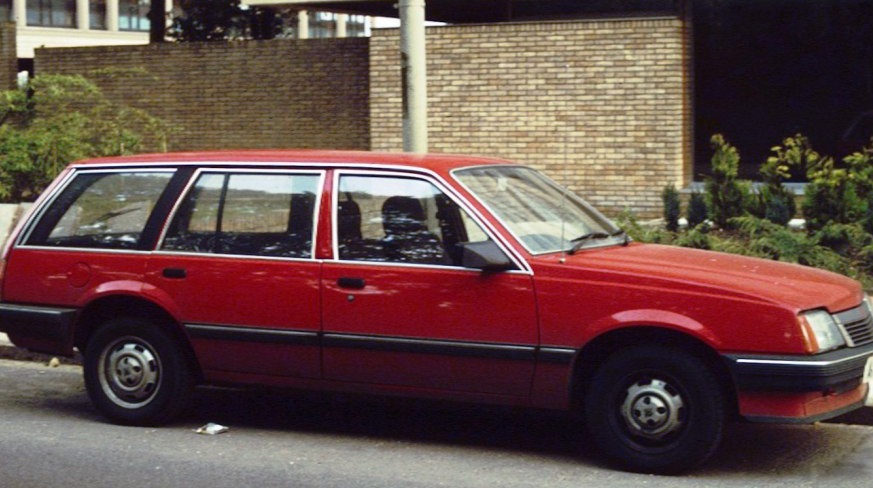
The Vauxhall Cavalier Mk II Estate 1.6 D, produced between 1982 and 1988, represented a practical and economical offering within the broader Cavalier Mk II range. As a diesel-powered estate (station wagon) variant, it catered to buyers prioritizing fuel efficiency and load-carrying capacity over outright performance. Positioned as the entry-level engine option in the estate body style, it served as a workhorse for families and businesses alike. The Mk II Cavalier, built on the GM J-platform, was a significant model for Vauxhall, aiming to provide a modern and competitive vehicle in the British market.
Technical Specifications
| Brand | Vauxhall |
| Model | Cavalier |
| Generation | Cavalier Mk II Estate |
| Type (Engine) | 1.6 D (54 Hp) |
| Start of production | 1982 |
| End of production | 1988 |
| Powertrain Architecture | Internal Combustion engine |
| Body type | Station wagon (estate) |
| Seats | 5 |
| Doors | 5 |
| Fuel Type | Diesel |
| Power | 54 Hp |
| Engine Model/Code | 16D |
| Engine aspiration | Naturally aspirated engine |
| Engine oil capacity | 3.8 l (4.02 US qt | 3.34 UK qt) |
| Coolant capacity | 7.5 l (7.93 US qt | 6.6 UK qt) |
| Drivetrain Architecture | Front wheel drive |
Powertrain & Engine Architecture
The heart of the Cavalier Mk II Estate 1.6 D was the 16D diesel engine, a naturally aspirated, indirect injection unit displacing 1598cc. This engine, while not known for its power, was valued for its robustness and fuel economy. The indirect injection system, common for diesels of this era, utilized a pre-chamber to improve combustion efficiency and reduce noise compared to direct injection designs. The engine featured a simple, mechanically controlled fuel injection pump. The valvetrain consisted of a single overhead camshaft operating two valves per cylinder. The 54 horsepower output was relatively modest, but sufficient for the intended purpose of hauling loads and providing economical transportation. The engine was typically paired with a four-speed manual transmission, although a three-speed automatic transmission was also available, albeit less common. The automatic transmission, a GM-sourced unit, further prioritized ease of use over performance.
Driving Characteristics
The driving experience in the 1.6 D Estate was defined by its practicality rather than excitement. Acceleration was slow, with a 0-60 mph time estimated to be well over 15 seconds. The engine produced peak torque at low RPMs, making it reasonably tractable for everyday driving, but overtaking required careful planning. The four-speed manual transmission offered a degree of control, allowing the driver to keep the engine in its optimal power band. The optional automatic transmission, while convenient, further diminished performance. The gear ratios were geared towards economy, resulting in a relatively low cruising speed. Compared to the petrol-powered Cavalier Estates, the 1.6 D felt significantly slower, but it offered a substantial advantage in fuel consumption. The suspension, tuned for comfort, provided a reasonably compliant ride, although it could feel somewhat wallowy when fully loaded.
Equipment & Trim Levels
The 1.6 D Estate typically represented the base trim level within the Cavalier Estate range. Standard equipment included cloth upholstery, basic instrumentation (speedometer, fuel gauge, temperature gauge), and a four-spoke steering wheel. Power steering was not standard, and many examples were equipped with manual steering. Optional extras included a radio, heated rear window, and upgraded interior trim. The dashboard layout was functional but lacked the sophistication of higher-spec models. The interior space was generous, particularly in the rear cargo area, making it well-suited for families and those needing to transport large items. The exterior trim was relatively basic, with black plastic bumpers and steel wheels often being standard features.
Chassis & Braking
The Cavalier Mk II Estate utilized a front-wheel-drive chassis with MacPherson strut front suspension and a twist-beam rear axle. The suspension was designed to provide a comfortable ride, but it wasn’t particularly sporty. Braking was typically accomplished with disc brakes on the front wheels and drum brakes on the rear. The braking system was adequate for the vehicle’s weight and performance, but it lacked the stopping power of more modern systems. Stabilizer bars were fitted to both the front and rear axles to reduce body roll, but their effectiveness was limited by the suspension design. The steering was relatively heavy, particularly on models without power steering.
Market Reception & Comparison
The Vauxhall Cavalier Mk II Estate 1.6 D was generally well-received by buyers seeking an affordable and practical estate car. Critics acknowledged its fuel efficiency and load-carrying capacity, but noted its lack of performance. Compared to the petrol-powered Cavalier Estates, the 1.6 D offered significantly better fuel economy, but at the cost of acceleration and refinement. The 1.6 D was also often compared to rival estate cars from Ford and Austin Rover. The Cavalier offered a more modern design and a reputation for reliability compared to some of its competitors. Fuel economy figures typically ranged from 45 to 55 mpg, making it an attractive option for those covering long distances. Reliability was generally good, although the diesel engine required regular maintenance to ensure longevity.
Legacy
The 1.6 D engine, while not a performance icon, proved to be a durable and reliable powerplant. Many examples of the Cavalier Mk II Estate 1.6 D are still on the road today, testament to their robust construction. In the used car market, these vehicles are often sought after by enthusiasts looking for a classic British estate car. The 16D engine is relatively simple to maintain, and spare parts are still readily available. However, potential buyers should be aware of the potential for diesel engine wear and tear, and should ensure that the vehicle has been properly maintained. The Cavalier Mk II Estate 1.6 D represents a practical and economical choice for those seeking a classic British estate car with a focus on fuel efficiency and load-carrying capacity.