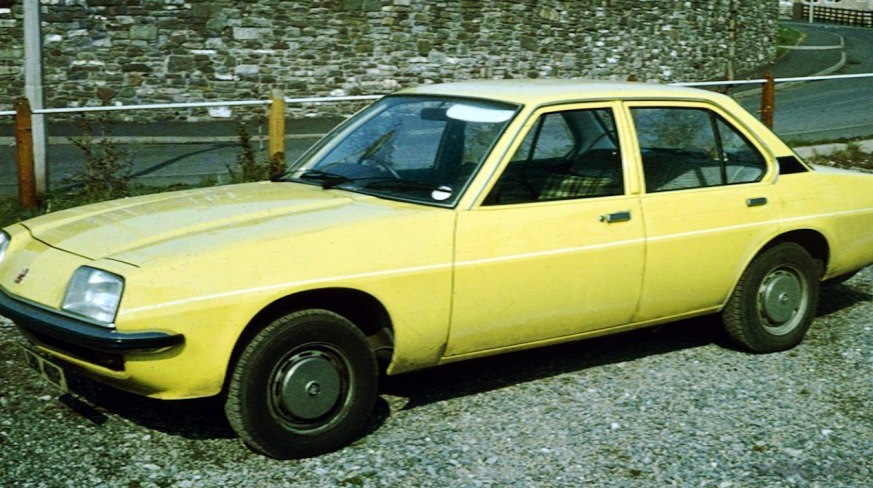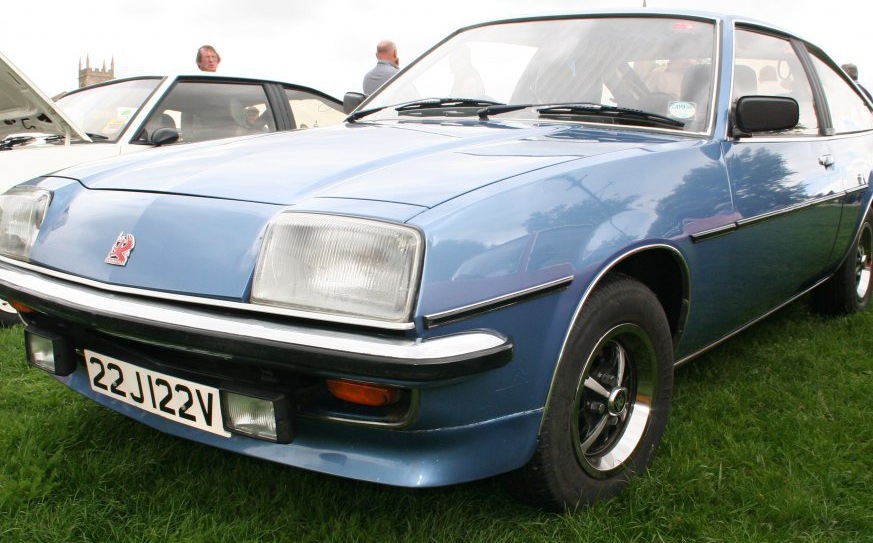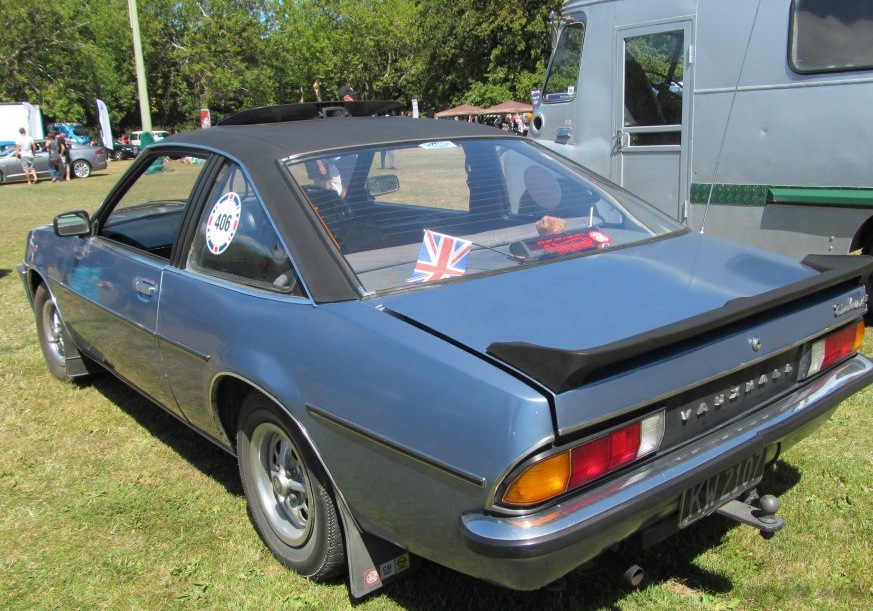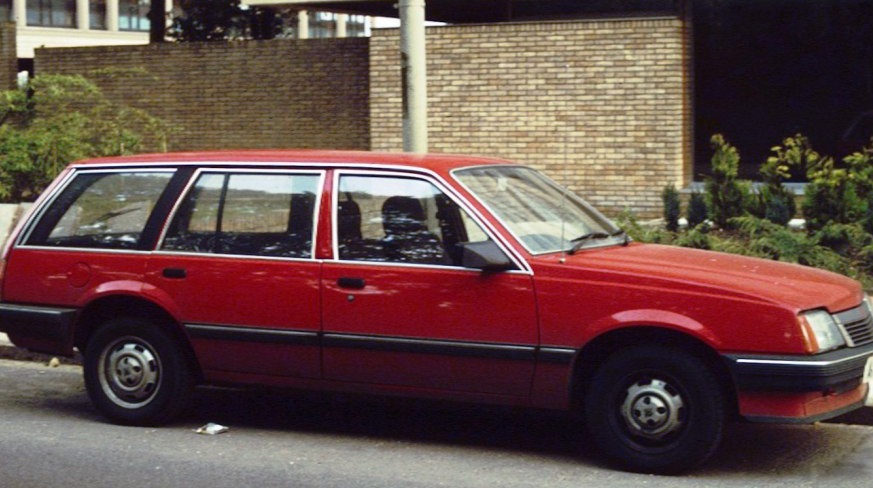
The Vauxhall Cavalier Mk II Estate 1.8i, produced between 1981 and 1986, represented a practical and relatively affordable option within the British Leyland/Vauxhall lineup. This variant, boasting 112 horsepower, occupied a mid-range position in the Mk II Estate series, offering a balance between performance and economy for family buyers. It was part of the broader Mk II Cavalier range (codenamed FE), which aimed to modernize Vauxhall’s offerings and compete with increasingly sophisticated European and Japanese rivals. The Estate, or station wagon, body style provided increased cargo capacity, making it a popular choice for families and those requiring versatile transportation.
Technical Specifications
| Brand | Vauxhall |
| Model | Cavalier |
| Generation | Cavalier Mk II Estate |
| Type (Engine) | 1.8i (112 Hp) |
| Start of Production | 1981 |
| End of Production | 1986 |
| Powertrain Architecture | Internal Combustion Engine |
| Body Type | Station Wagon (Estate) |
| Seats | 5 |
| Doors | 5 |
| Fuel Type | Petrol (Gasoline) |
| Power | 112 Hp |
| Engine Aspiration | Naturally Aspirated |
| Engine Oil Capacity | 3 l (3.17 US qt | 2.64 UK qt) |
| Coolant Capacity | 7.5 l (7.93 US qt | 6.6 UK qt) |
| Drivetrain | Front Wheel Drive |
Powertrain & Engine Architecture
The 1.8i variant of the Cavalier Mk II Estate was powered by Vauxhall’s 1800cc (1799cc) overhead valve (OHV) inline-four cylinder engine. This engine, while not particularly technologically advanced, was known for its durability and relative simplicity. It featured a two-barrel carburetor, providing fuel delivery. The engine’s design prioritized low-end torque over peak horsepower, making it suitable for the added weight of the estate body style. The 112 horsepower output was achieved at approximately 5400 rpm, with peak torque of around 109 lb-ft at 3200 rpm. The engine was paired with a three-speed automatic transmission, which, while providing convenience, did impact acceleration and fuel economy compared to the available four-speed manual gearbox.
Driving Characteristics
The 1.8i automatic Cavalier Estate offered a comfortable, if not particularly sporty, driving experience. The automatic transmission provided smooth, if somewhat leisurely, gear changes. Acceleration from 0 to 60 mph was typically around 12-13 seconds, making it slower than the manual transmission versions or the larger-engined models. The front-wheel-drive configuration provided reasonable handling, although it wasn’t as engaging as rear-wheel-drive alternatives. The suspension, consisting of MacPherson struts at the front and a live axle with trailing arms at the rear, was tuned for comfort, absorbing bumps and imperfections in the road reasonably well. The automatic transmission’s gear ratios were geared towards fuel efficiency and ease of driving rather than outright performance. The engine felt strained when attempting rapid acceleration or climbing steep hills, highlighting the limitations of the 1.8-liter engine in a relatively heavy vehicle.
Equipment & Trim Levels
The 1.8i Estate typically came equipped with features considered standard for a family car of the era. This included cloth upholstery, a basic AM/FM radio, and manual windows and door locks. The dashboard layout was functional but lacked the sophistication of some contemporary rivals. Optional extras included a sunroof, upgraded stereo systems, and metallic paint finishes. Trim levels varied slightly depending on the year of manufacture, but generally, the 1.8i Estate sat in the middle of the range, offering more equipment than the base models but less than the higher-specification 2.0-liter variants. Interior space was a key selling point, with ample room for passengers and a generous cargo area, especially with the rear seats folded down.
Chassis & Braking
The Cavalier Mk II Estate utilized a front-wheel-drive chassis with a relatively simple suspension setup. The front suspension featured MacPherson struts, coil springs, and an anti-roll bar. The rear suspension employed a live axle with trailing arms and leaf springs. Braking was initially provided by disc brakes at the front and drum brakes at the rear. Later models saw the introduction of rear disc brakes on some trims. The braking system was hydraulically assisted, providing adequate stopping power for normal driving conditions. Steering was rack and pinion, offering reasonable precision and feedback. The chassis was designed to prioritize ride comfort and practicality over sporty handling.
Market Reception & Comparison
The Vauxhall Cavalier Mk II Estate 1.8i was generally well-received by the British motoring press as a practical and affordable family car. Critics praised its spacious interior, comfortable ride, and reasonable fuel economy. However, the automatic transmission was often criticized for its sluggish performance and impact on fuel consumption. Compared to the 2.0-liter variants, the 1.8i offered less power and acceleration, but it was also more affordable to purchase and insure. The 1.8i was also often compared to rivals such as the Ford Sierra Estate and the Austin/Morris Horizon Estate. The Cavalier offered a more modern design and generally better build quality than the Horizon, while the Sierra provided a more engaging driving experience but was often more expensive.
Legacy
The Vauxhall Cavalier Mk II Estate 1.8i, while not a particularly groundbreaking vehicle, played a significant role in establishing Vauxhall as a major player in the British family car market. The 1800cc engine proved to be relatively reliable, and many examples are still in use today, albeit often as classic cars. The automatic transmission, however, is known to require more frequent maintenance than the manual gearbox. In the used car market, these Cavaliers are appreciated for their simplicity, affordability, and nostalgic appeal. They represent a snapshot of British automotive engineering from the early 1980s, offering a glimpse into a time when practicality and value were often prioritized over performance and luxury. Finding well-maintained examples is becoming increasingly difficult, but they remain a popular choice for classic car enthusiasts and those seeking a reliable and affordable vintage vehicle.