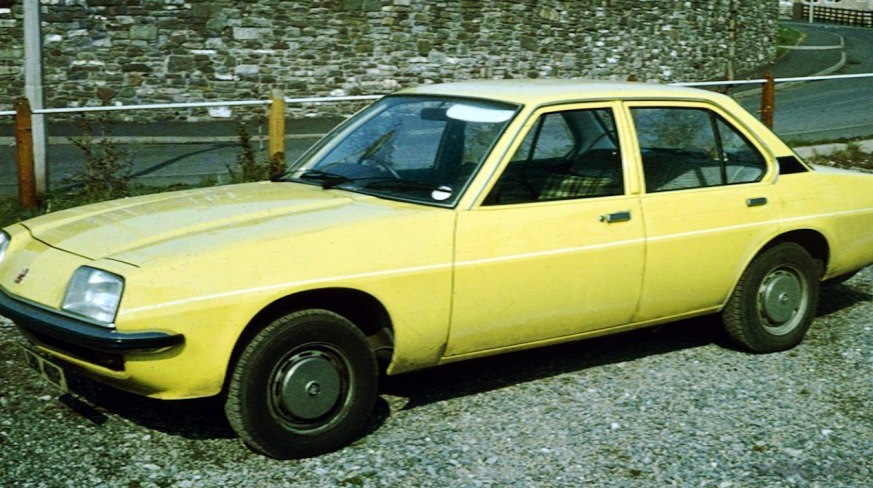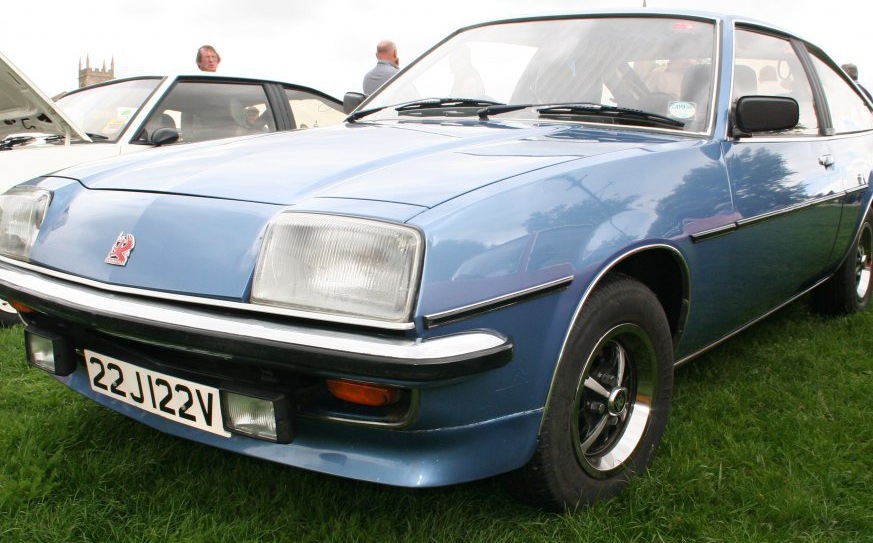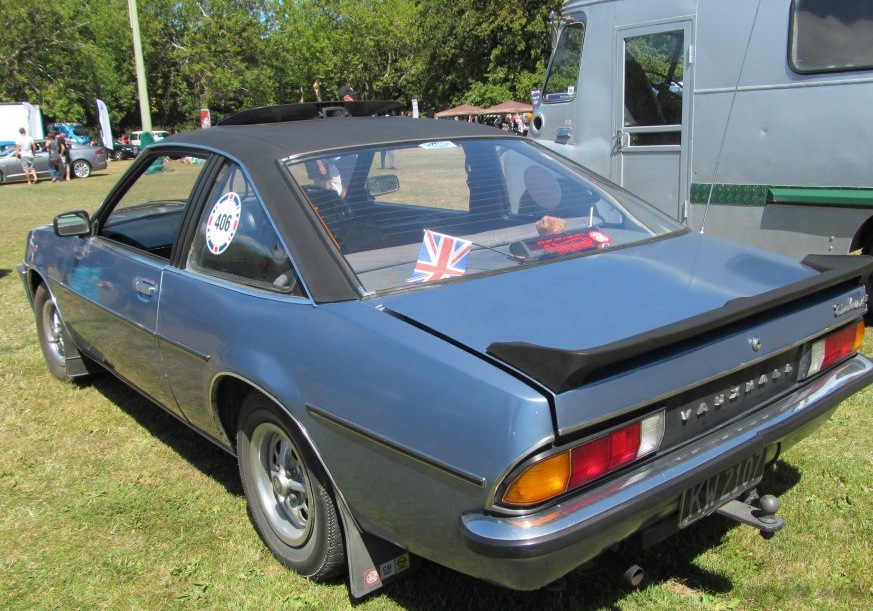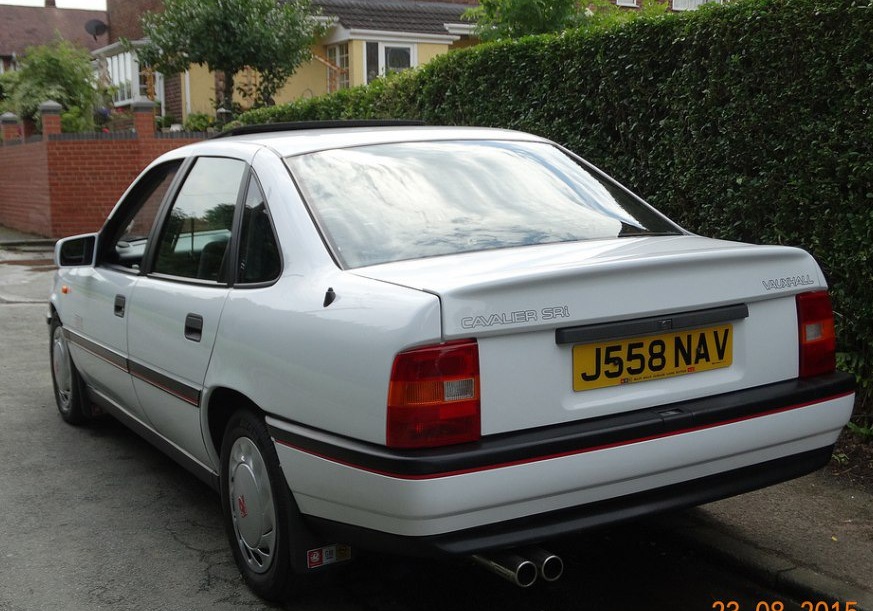
The Vauxhall Cavalier Mk III 1.4, produced between 1988 and 1992, represented the entry point into the third generation of this popular British family saloon. Positioned as an affordable and practical option, the 1.4-liter variant served as a high-volume seller, appealing to buyers prioritizing economy and everyday usability over outright performance. It was built on the GM X platform (internally known as the 1HX0), shared with other Opel and Saab models, and played a significant role in Vauxhall’s market share during a competitive period in the British automotive landscape. This model offered a balance of space, comfort, and reasonable running costs, making it a common sight on British roads.
Technical Specifications
| Brand | Vauxhall |
| Model | Cavalier |
| Generation | Cavalier Mk III |
| Type (Engine) | 1.4 (75 Hp) |
| Start of production | 1988 |
| End of production | 1992 |
| Powertrain Architecture | Internal Combustion engine |
| Body type | Sedan |
| Seats | 5 |
| Doors | 4 |
| Fuel consumption (urban) | 9.2 l/100 km (25.6 US mpg) |
| Fuel consumption (extra urban) | 5 l/100 km (47 US mpg) |
| Fuel consumption (combined) | 6.3 l/100 km (37.3 US mpg) |
| Fuel Type | Petrol (Gasoline) |
| Acceleration 0 – 100 km/h | 14.5 sec |
| Acceleration 0 – 62 mph | 14.5 sec |
| Acceleration 0 – 60 mph | 13.8 sec |
| Maximum speed | 176 km/h (109.36 mph) |
| Weight-to-power ratio | 13.2 kg/Hp |
| Weight-to-torque ratio | 9.2 kg/Nm |
| Power | 75 Hp @ 5600 rpm |
| Power per litre | 54 Hp/l |
| Torque | 108 Nm @ 3000 rpm (79.66 lb.-ft. @ 3000 rpm) |
| Engine layout | Front, Transverse |
| Engine Model/Code | 14NV |
| Engine displacement | 1389 cm3 (84.76 cu. in.) |
| Number of cylinders | 4 |
| Engine configuration | Inline |
| Cylinder Bore | 77.6 mm (3.06 in.) |
| Piston Stroke | 73.4 mm (2.89 in.) |
| Compression ratio | 9.4:1 |
| Number of valves per cylinder | 2 |
| Fuel injection system | Carburettor |
| Engine aspiration | Naturally aspirated |
| Valvetrain | OHC |
| Engine oil capacity | 3 l (3.17 US qt | 2.64 UK qt) |
| Coolant capacity | 5.6 l (5.92 US qt | 4.93 UK qt) |
| Kerb Weight | 990 kg (2182.58 lbs.) |
| Max. weight | 1530 kg (3373.07 lbs.) |
| Max load | 540 kg (1190.5 lbs.) |
| Trunk (boot) space – minimum | 530 l (18.72 cu. ft.) |
| Trunk (boot) space – maximum | 840 l (29.66 cu. ft.) |
| Fuel tank capacity | 61 l (16.11 US gal | 13.42 UK gal) |
| Length | 4432 mm (174.49 in.) |
| Width | 1706 mm (67.17 in.) |
| Height | 1400 mm (55.12 in.) |
| Wheelbase | 2600 mm (102.36 in.) |
| Front track | 1437 mm (56.57 in.) |
| Rear track | 1432 mm (56.38 in.) |
| Drag coefficient (Cd) | 0.29 |
| Drivetrain Architecture | Front wheel drive |
| Number of gears | 5 |
| Gearbox type | Manual transmission |
| Front suspension | Independent, McPherson with coil spring and anti-roll bar |
| Rear suspension | Coil spring |
| Front brakes | Disc |
| Rear brakes | Drum |
| Assisting systems | ABS (Anti-lock braking system) |
| Steering type | Steering rack and pinion |
| Power steering | Hydraulic |
| Tires size | 175/70 R14 |
| Wheel rims size | 14 |
Powertrain & Engine Architecture
The heart of the Cavalier Mk III 1.4 was the 14NV engine, a 1389cc inline-four cylinder petrol engine. This engine, a staple of Vauxhall and Opel’s small car range, featured a single overhead camshaft (OHC) valvetrain with two valves per cylinder. Crucially, this variant utilized a carburettor fuel system, a cost-saving measure compared to the fuel injection found on higher-spec models. The carburettor, while simpler and cheaper, resulted in slightly less precise fuel delivery and contributed to the engine’s modest power output of 75 horsepower at 5600 rpm and 108 Nm (79.66 lb-ft) of torque at 3000 rpm. The engine’s compression ratio was 9.4:1. The engine was transversely mounted, driving the front wheels through a five-speed manual transmission. This transmission was chosen for its affordability and efficiency, although it lacked the refinement of more modern gearboxes.
Driving Characteristics
The 1.4-liter Cavalier was not designed for spirited driving. Acceleration was leisurely, taking around 14.5 seconds to reach 62 mph, and the top speed was approximately 109 mph. The carburettor-fed engine delivered power in a relatively linear fashion, but lacked the punch of the larger displacement engines available in the Cavalier range. The five-speed gearbox helped to keep the engine in its optimal power band, but frequent downshifts were often necessary for overtaking or climbing hills. Compared to the 1.6-liter and 2.0-liter variants, the 1.4 felt noticeably underpowered, particularly when fully loaded. However, the lighter engine weight contributed to slightly improved fuel economy and handling balance.
Equipment & Trim Levels
The 1.4-liter Cavalier typically came with a basic level of equipment. Standard features included central locking, electric front windows, and a basic stereo system. Interior upholstery was typically cloth, and the dashboard featured a simple, functional design. Optional extras included a sunroof, upgraded stereo systems, and alloy wheels. The trim level was generally considered the entry-level offering, aimed at buyers prioritizing value for money. It was often chosen by fleet buyers and families seeking a reliable and affordable mode of transport.
Chassis & Braking
The Cavalier Mk III featured independent suspension at the front, utilizing McPherson struts with coil springs and an anti-roll bar. The rear suspension employed a simpler coil spring setup. Braking was provided by disc brakes at the front and drum brakes at the rear. ABS (Anti-lock Braking System) was available as an option, enhancing safety in emergency braking situations. The chassis was designed to provide a comfortable ride, prioritizing smoothness over outright handling prowess. The steering was rack and pinion, assisted by hydraulic power steering for ease of maneuverability.
Market Reception & Comparison
The Cavalier Mk III 1.4 was generally well-received as an affordable and practical family car. Critics praised its spacious interior, comfortable ride, and reasonable fuel economy. However, the engine’s lack of power was a common criticism. Compared to the 1.6-liter and 2.0-liter variants, the 1.4 offered significantly less performance. The 1.6-liter provided a noticeable improvement in acceleration and overall drivability, while the 2.0-liter offered a more refined and powerful driving experience. In terms of reliability, the 1.4-liter engine proved to be generally robust, although the carburettor system required periodic maintenance. Fuel economy figures of around 37.3 US mpg combined were competitive for the time.
Legacy
The Vauxhall Cavalier Mk III 1.4 remains a relatively common sight on British roads today, albeit primarily as a classic car. The 14NV engine, while not particularly powerful, proved to be durable and relatively easy to maintain. Parts availability is generally good, making it a viable option for enthusiasts and those seeking a classic British saloon. The 1.4 variant, due to its affordability and high production numbers, represents a significant part of the Cavalier Mk III’s legacy, embodying the practical and accessible nature of this popular family car.