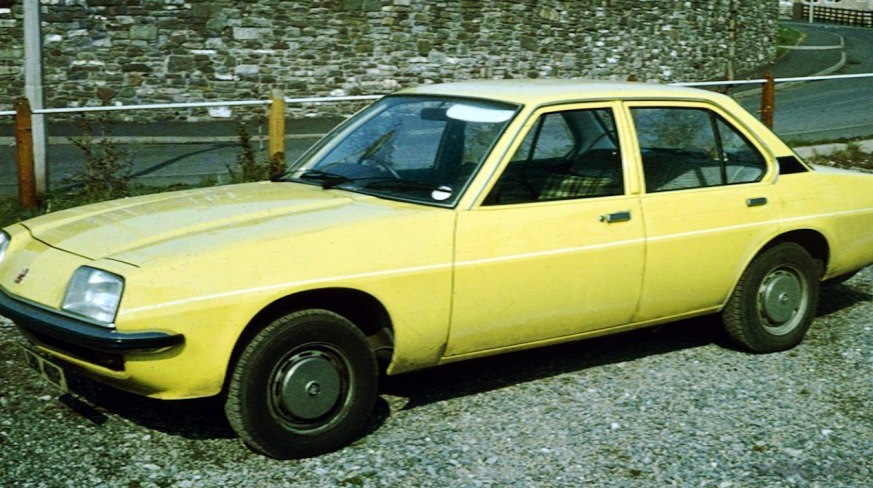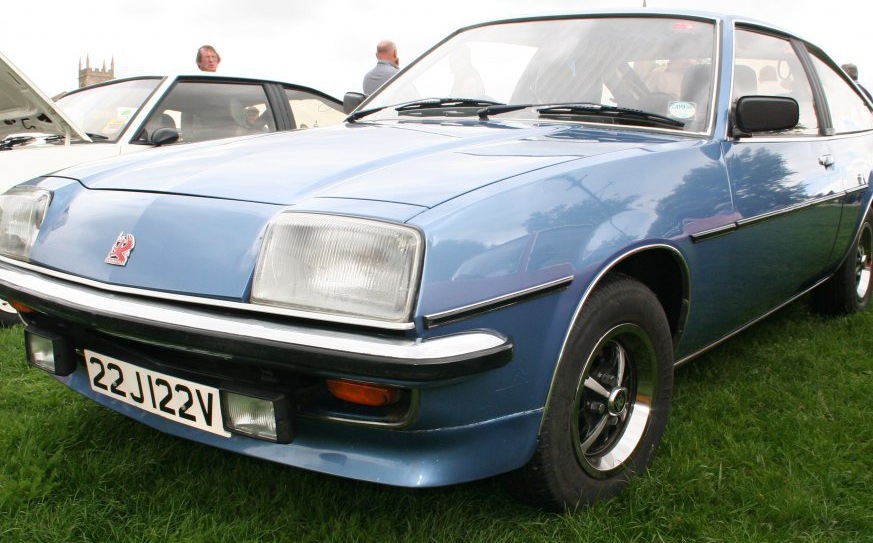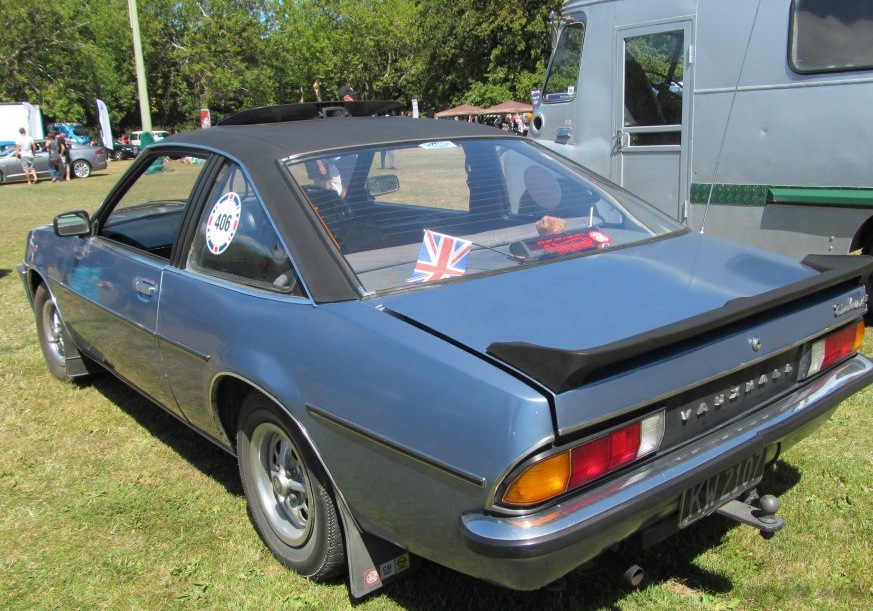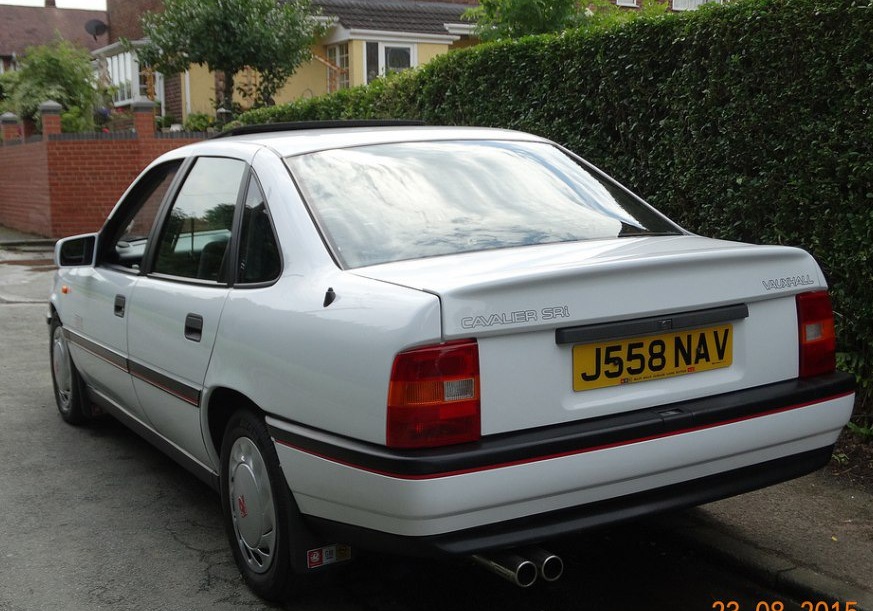
The Vauxhall Cavalier Mk III 1.7 D, produced between 1988 and 1989, represented the entry-level diesel offering within the Mk III Cavalier range. Positioned as a fuel-efficient and affordable option, it catered to drivers prioritizing economy over outright performance. This variant was part of the larger Mk III Cavalier lineup (1988-1995), which itself was based on the GM X platform, shared with models like the Opel Ascona and later the Vectra. The 1.7 D aimed to provide practical transportation for families and commuters, particularly in the United Kingdom and other European markets where Vauxhall held a significant presence.
POWERTRAIN & ENGINE ARCHITECTURE
The heart of the Cavalier 1.7 D was the 17D engine, a 1.7-liter inline-four cylinder diesel. This engine utilized precombustion chamber injection, a common diesel technology of the era. Unlike direct injection systems, precombustion chambers housed a glow plug and a small auxiliary combustion chamber, aiding in cold starting and improving combustion efficiency. The engine produced 57 horsepower at 4600 rpm and 105 Nm (77.44 lb-ft) of torque at 2400 rpm. The 17D engine featured an overhead camshaft (OHC) valvetrain with two valves per cylinder. It was a naturally aspirated engine, meaning it did not employ a turbocharger or supercharger. The engine’s oil capacity was 4.75 liters (5.02 US quarts), and it required a coolant volume of 9.1 liters (9.62 US quarts). The engine was transversely mounted in the front of the vehicle. The 1.7 D was exclusively offered with a five-speed manual transmission, prioritizing fuel economy over driver convenience.
DRIVING CHARACTERISTICS
The 1.7 D’s performance was modest, reflecting its low horsepower output. Acceleration from 0 to 62 mph (0-100 km/h) took approximately 20 seconds, and it achieved a top speed of around 94.45 mph (152 km/h). The engine’s torque delivery was relatively flat, providing adequate pulling power for everyday driving, but it lacked the responsiveness of higher-powered variants. The five-speed manual transmission allowed drivers to optimize engine speed for fuel efficiency or to extract the most available power. Compared to the gasoline-powered Cavaliers, the 1.7 D offered significantly better fuel economy, but at the expense of acceleration and overall refinement. The gear ratios were tuned for economy, meaning the engine would rev relatively high at highway speeds.
EQUIPMENT & TRIM LEVELS
The 1.7 D typically represented the base trim level within the Mk III Cavalier range. Standard equipment was fairly basic, focusing on essential features. Interior upholstery was typically cloth, and the dashboard featured a simple, functional design. Power steering was not always standard, and air conditioning was generally an optional extra. Other available options included a radio/cassette player, electric front windows, and upgraded interior trim. The emphasis was on providing a practical and affordable vehicle, so luxury features were kept to a minimum. The trim level was often simply designated as “L” or “base” in sales literature.
CHASSIS & BRAKING
The Cavalier 1.7 D utilized an independent McPherson strut suspension at the front, providing a reasonable level of ride comfort and handling. The rear suspension employed a coil spring setup. Braking was comprised of disc brakes at the front and drum brakes at the rear, a common configuration for vehicles in this class at the time. Anti-lock braking system (ABS) was available as an option, enhancing safety. The steering system was a rack and pinion type, offering precise steering control. The vehicle rode on 175/70 R14 tires mounted on 14-inch steel wheels.
MARKET RECEPTION & COMPARISON
The Cavalier 1.7 D was generally well-received as a practical and economical choice. Critics acknowledged its fuel efficiency, which was a significant selling point in the late 1980s. However, its performance was often criticized as being sluggish, particularly when compared to the more powerful gasoline-powered Cavaliers, such as the 2.0L or the later 2.0L 16V models. The 1.7 D offered superior fuel economy compared to these gasoline variants, achieving around 39.2 US mpg (combined), but it lacked their responsiveness and overall driving enjoyment. Reliability was generally good, although diesel engines of this era required regular maintenance to ensure longevity.
LEGACY
The 1.7 D engine, while not known for its performance, proved to be relatively durable and long-lasting. Many examples of the Cavalier 1.7 D remain on the road today, testament to its robust construction. In the used car market, these vehicles are often sought after by enthusiasts looking for a classic, affordable, and fuel-efficient vehicle. However, finding well-maintained examples can be challenging, as age and mileage have taken their toll on many units. The 1.7 D represents a significant part of the Cavalier Mk III’s history, offering a practical and economical alternative to the more performance-oriented models.
| Brand | Vauxhall |
| Model | Cavalier |
| Generation | Cavalier Mk III |
| Type (Engine) | 1.7 D (57 Hp) |
| Start of production | 1988 |
| End of production | 1989 |
| Powertrain Architecture | Internal Combustion engine |
| Body type | Sedan |
| Seats | 5 |
| Doors | 4 |
| Fuel consumption (urban) | 6.7 l/100 km (35.1 US mpg) |
| Fuel consumption (extra urban) | 4.4 l/100 km (53.5 US mpg) |
| Fuel consumption (combined) | 6 l/100 km (39.2 US mpg) |
| Fuel Type | Diesel |
| Acceleration 0 – 100 km/h | 20 sec |
| Acceleration 0 – 62 mph | 20 sec |
| Acceleration 0 – 60 mph | 19 sec |
| Maximum speed | 152 km/h (94.45 mph) |
| Power | 57 Hp @ 4600 rpm |
| Torque | 105 Nm @ 2400 rpm (77.44 lb.-ft. @ 2400 rpm) |
| Engine layout | Front, Transverse |
| Engine Model/Code | 17D |
| Engine displacement | 1700 cm3 (103.74 cu. in.) |
| Number of cylinders | 4 |
| Cylinder Bore | 82.5 mm (3.25 in.) |
| Piston Stroke | 79.5 mm (3.13 in.) |
| Compression ratio | 23:1 |
| Number of valves per cylinder | 2 |
| Fuel injection system | Precombustion chamber injection |
| Engine oil capacity | 4.75 l (5.02 US qt | 4.18 UK qt) |
| Coolant | 9.1 l (9.62 US qt | 8.01 UK qt) |
| Kerb Weight | 1080 kg (2380.99 lbs.) |
| Max. weight | 1610 kg (3549.44 lbs.) |
| Trunk (boot) space – minimum | 530 l (18.72 cu. ft.) |
| Trunk (boot) space – maximum | 840 l (29.66 cu. ft.) |
| Fuel tank capacity | 61 l (16.11 US gal | 13.42 UK gal) |
| Length | 4432 mm (174.49 in.) |
| Width | 1706 mm (67.17 in.) |
| Height | 1400 mm (55.12 in.) |
| Wheelbase | 2600 mm (102.36 in.) |
| Drive wheel | Front wheel drive |
| Number of gears and type of gearbox | 5 gears, manual transmission |