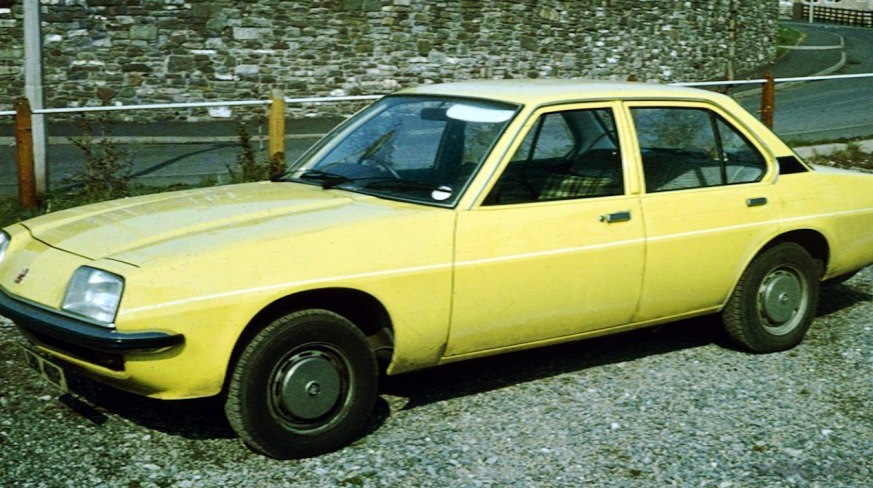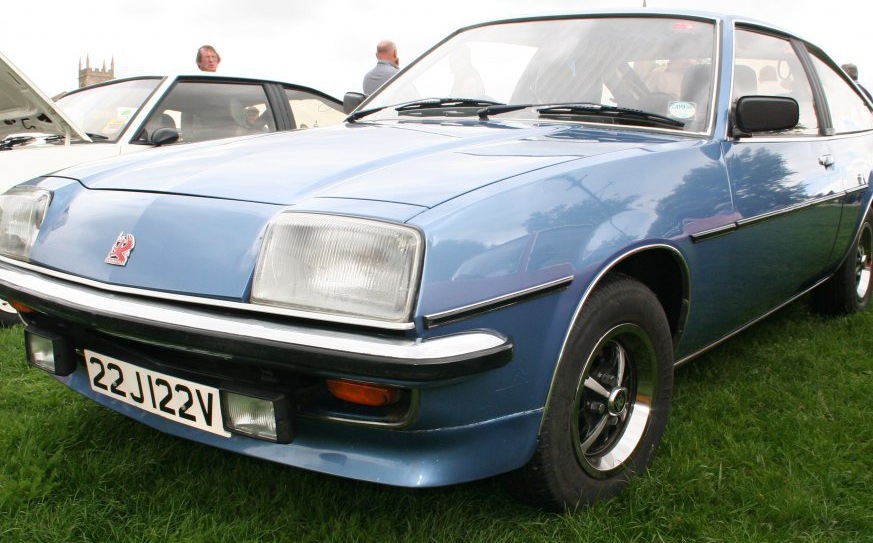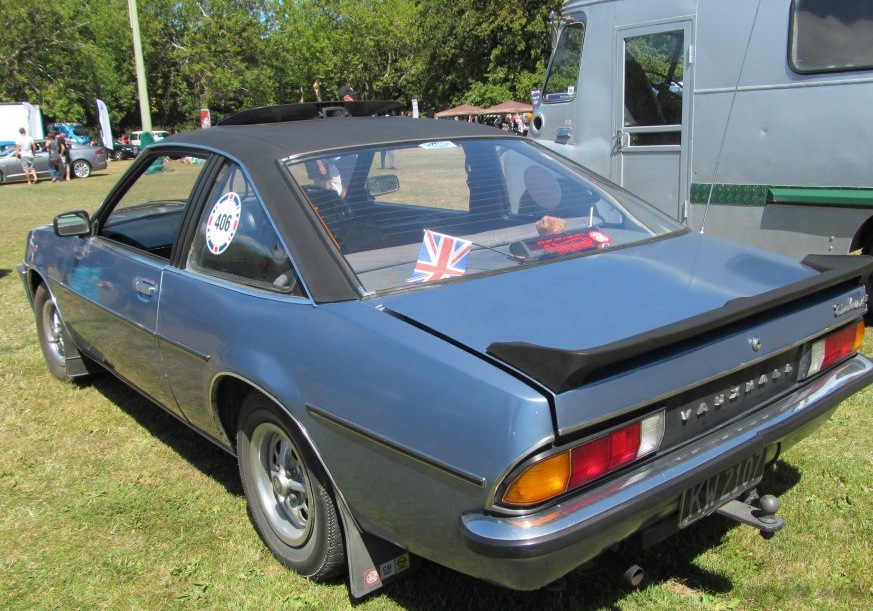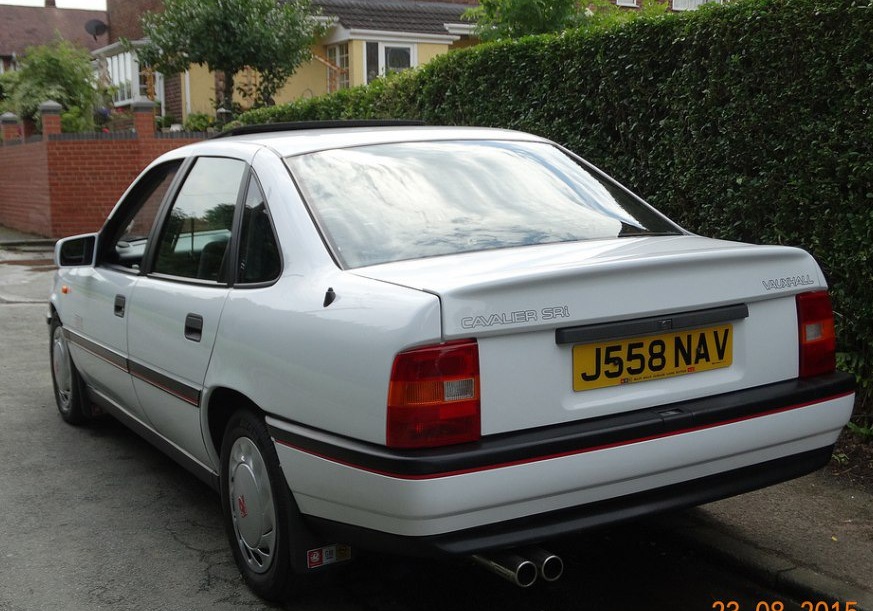
The Vauxhall Cavalier Mk III 1.7 TD, produced between 1991 and 1992, represented an economy-focused variant within the third generation of the popular Cavalier. Part of the 1HX0 chassis code family, this model aimed to provide fuel efficiency and practicality for the mainstream buyer. It occupied the lower end of the Cavalier lineup, serving as an alternative to the gasoline-powered models and offering a diesel option for those prioritizing fuel economy over outright performance. The Mk III Cavalier, launched in 1988, was a significant redesign for the model, offering a more modern and aerodynamic shape compared to its predecessor.
The 1.7 TD variant was powered by the 17DT engine, a 1686cc inline four-cylinder diesel. This engine utilized precombustion chamber injection, a common diesel technology of the era, to improve combustion efficiency. A turbocharger was fitted, boosting power output to 82 horsepower at 4400 rpm and 168 Nm (123.91 lb-ft) of torque at 2400 rpm. The engine featured an overhead camshaft (OHC) valvetrain with two valves per cylinder. The compression ratio was relatively high at 22:1, typical for indirect injection diesel engines. Engine oil capacity was 4.5 liters (4.76 US quarts), and the engine required 7.4 liters (7.82 US quarts) of coolant. The 17DT engine was known for its durability, though its performance was modest by contemporary standards.
Driving the 1.7 TD Cavalier was characterized by its focus on fuel economy rather than spirited acceleration. The 0-60 mph time was approximately 13.8 seconds, and the top speed was around 109 mph. The five-speed manual transmission was the only gearbox option available with this engine. The gear ratios were geared towards maximizing fuel efficiency, resulting in a somewhat sluggish feel during acceleration. However, the turbocharger did provide a noticeable boost in torque at lower engine speeds, making it reasonably capable for everyday driving. Compared to the more powerful gasoline variants, such as the 2.0L or V6 models, the 1.7 TD offered significantly less performance but substantially better fuel economy – around 35.6 US mpg combined.
The 1.7 TD trim level typically included basic features as standard. Interior upholstery was generally cloth, and the dashboard featured a functional, if somewhat utilitarian, design. Standard equipment included power steering, though air conditioning and electric windows were often optional extras. The Cavalier Mk III offered a spacious interior for its class, with comfortable seating for five passengers. Trunk space ranged from 530 to 840 liters (18.72 to 29.66 cubic feet) depending on the rear seat configuration. The overall trim level was aimed at providing a practical and affordable family car.
The Cavalier Mk III 1.7 TD utilized an independent McPherson strut front suspension with coil springs and an anti-roll bar. The rear suspension employed a simpler coil spring setup. Front brakes were discs, while the rear brakes were drums, a cost-saving measure common in this segment. An Anti-lock Braking System (ABS) was available as an option, enhancing safety. The steering was rack and pinion with hydraulic assistance. The car rode on 175/70 R14 tires mounted on 14-inch wheels. The suspension setup prioritized ride comfort over sporty handling, making it suitable for everyday driving conditions.
The 1.7 TD variant received mixed reviews from automotive critics. While praised for its fuel efficiency, it was often criticized for its lack of performance. Compared to the gasoline-powered Cavaliers, the diesel model felt noticeably slower. However, its lower running costs and durability appealed to buyers seeking a practical and reliable vehicle. The 1.7 TD offered a compelling alternative for those prioritizing economy over excitement. Reliability was generally good, with the 17DT engine proving to be a robust unit. Fuel economy was a key selling point, offering a significant advantage over the petrol alternatives.
| Brand | Vauxhall |
| Model | Cavalier |
| Generation | Cavalier Mk III |
| Type (Engine) | 1.7 TD (82 Hp) |
| Start of production | 1991 |
| End of production | 1992 |
| Fuel consumption (combined) | 6.6 l/100 km (35.6 US mpg, 42.8 UK mpg) |
| Fuel Type | Diesel |
| Acceleration 0 – 100 km/h | 14.5 sec |
| Acceleration 0 – 62 mph | 14.5 sec |
| Acceleration 0 – 60 mph | 13.8 sec |
| Maximum speed | 176 km/h (109.36 mph) |
| Power | 82 Hp @ 4400 rpm |
| Torque | 168 Nm @ 2400 rpm (123.91 lb.-ft. @ 2400 rpm) |
| Engine Model/Code | 17DT |
| Engine displacement | 1686 cm3 (102.89 cu. in.) |
| Number of cylinders | 4 |
| Cylinder Bore | 79 mm (3.11 in.) |
| Piston Stroke | 86 mm (3.39 in.) |
| Compression ratio | 22:1 |
| Kerb Weight | 1169 kg (2577.2 lbs.) |
| Max. weight | 1690 kg (3725.81 lbs.) |
| Fuel tank capacity | 61 l (16.11 US gal, 13.42 UK gal) |
| Length | 4432 mm (174.49 in.) |
| Width | 1706 mm (67.17 in.) |
| Height | 1400 mm (55.12 in.) |
| Trunk (boot) space (min/max) | 530 – 840 l (18.72 – 29.66 cu. ft.) |
| Number of gears | 5 |
| Gearbox type | Manual |
Today, the Vauxhall Cavalier Mk III 1.7 TD is a relatively rare sight on the roads. While the gasoline models have a following among classic car enthusiasts, the diesel variant is less sought after. However, its robust engine and simple mechanicals make it a potentially reliable and affordable classic car for those seeking a practical and economical vehicle. Parts availability can be a challenge, but the 17DT engine shares components with other Opel/Vauxhall diesel engines of the era, making sourcing parts somewhat easier. The 1.7 TD remains a testament to the era’s focus on fuel efficiency and practicality.