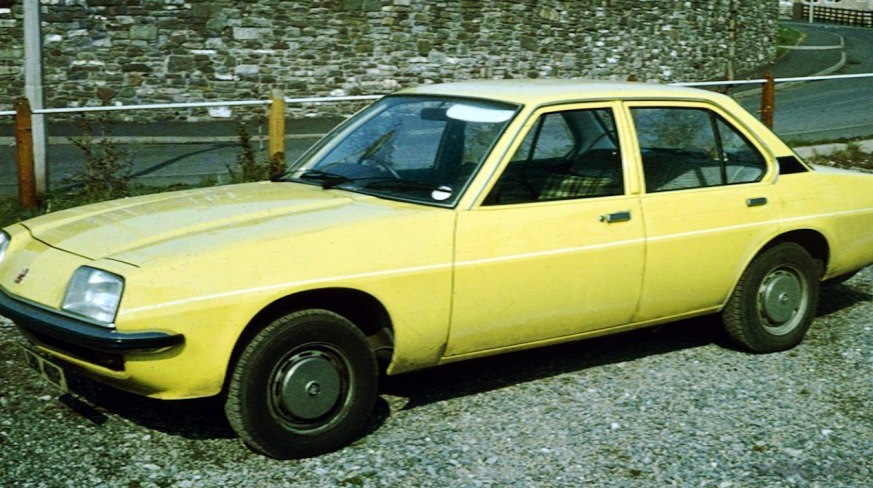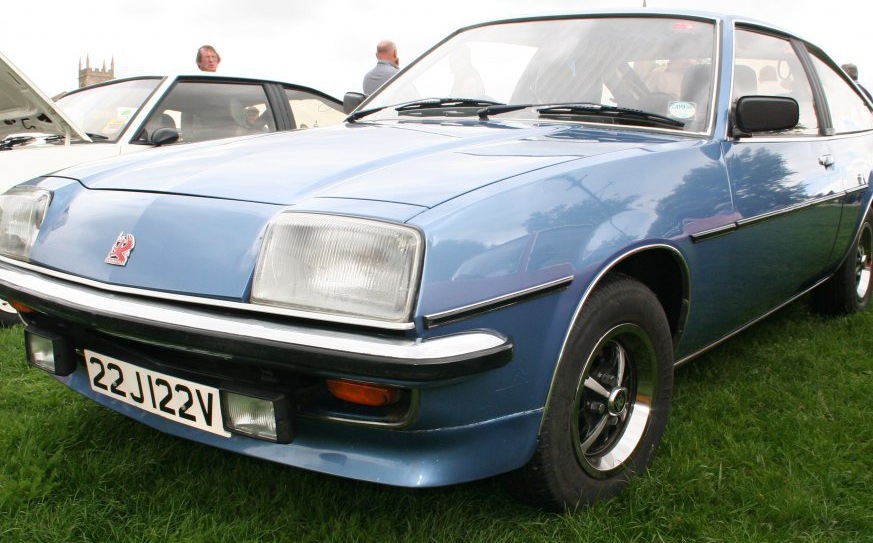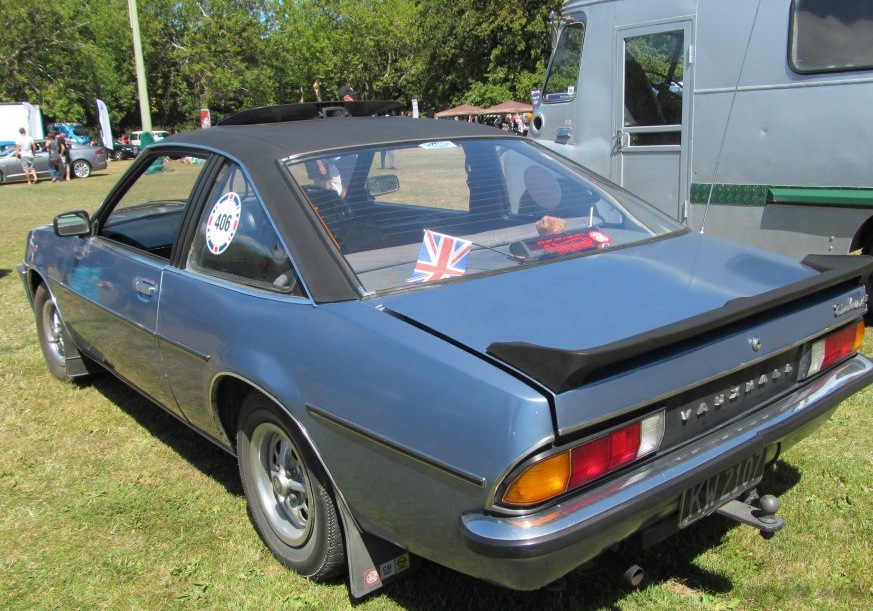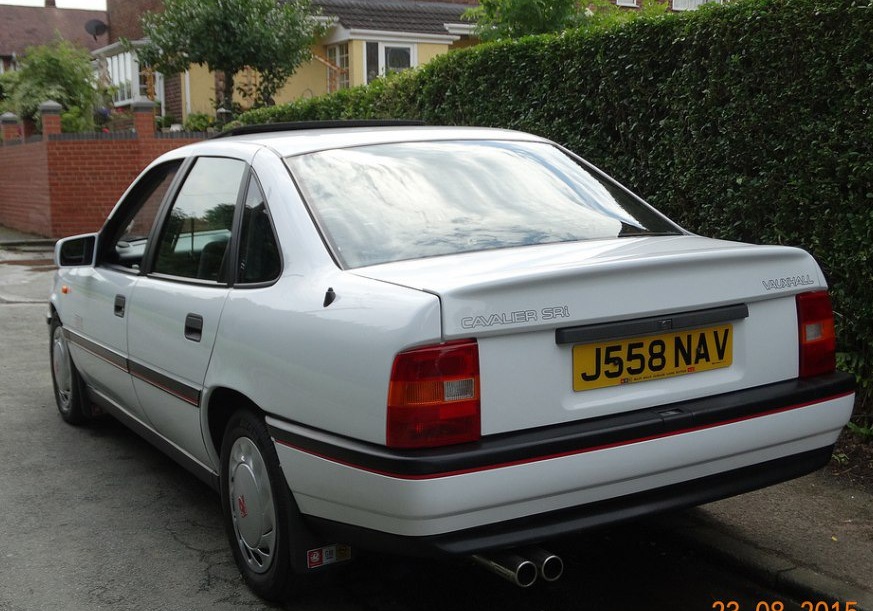
The Vauxhall Cavalier Mk III 1.8 (90 hp) was a mainstream, entry-level variant of the Mk III Cavalier, produced between 1988 and 1989. Positioned as the most accessible model in the range, it served as the foundation for the redesigned Cavalier, which was a significant departure from its predecessor. This generation, known internally as the 1HX0, represented a move towards more modern styling and engineering for Vauxhall, aligning it more closely with Opel – its sister brand within General Motors. The 1.8-liter engine paired with an automatic transmission offered a balance of affordability and convenience, targeting family buyers and those prioritizing ease of driving over outright performance.
The 1.8-liter engine, designated the 18SV, was an inline four-cylinder unit displacing 1796 cc (109.6 cubic inches). It featured a single overhead camshaft (OHC) valvetrain with two valves per cylinder. Unlike some of its contemporaries, the 18SV utilized a carburetor fuel injection system, a cost-saving measure for the base model. This carburetor setup, while simpler, resulted in slightly lower power output and fuel efficiency compared to multi-point fuel injection systems found in higher-spec Cavaliers. The engine produced 90 horsepower at 5400 rpm and 109.16 lb-ft of torque at 2800 rpm. The automatic transmission was a three-speed unit, chosen for its ease of use and suitability for everyday driving. While not particularly sporty, the transmission was known for its reliability.
In real-world driving, the 1.8L automatic Cavalier offered adequate, but not exhilarating, performance. Acceleration from 0 to 60 mph took approximately 11.9 seconds, and top speed was around 113.71 mph. The automatic transmission’s gear ratios were geared towards fuel economy and smooth cruising rather than rapid acceleration. Compared to the five-speed manual version of the 1.8, the automatic felt noticeably slower. The higher-performance 2.0L and 2.4L models, as well as the turbocharged versions, offered significantly more power and a more engaging driving experience. However, the 1.8 automatic prioritized comfort and ease of use, making it a popular choice for those who didn’t require high performance.
The 1.8L automatic Cavalier typically came with a fairly basic level of equipment, reflecting its entry-level positioning. Standard features generally included cloth upholstery, a basic stereo system, and manual windows and door locks. Dashboard configuration was functional and straightforward, prioritizing practicality over luxury. Optional extras included power windows, central locking, and an upgraded stereo. Higher trim levels, such as the GLS or SR, added features like alloy wheels, upgraded interior trim, and more powerful engines. The interior space was generous for its time, offering comfortable seating for five adults and a reasonably sized trunk.
The Cavalier Mk III utilized an independent McPherson strut suspension system at the front, incorporating a coil spring and anti-roll bar. The rear suspension employed a simpler coil spring setup. Front brakes were discs, providing adequate stopping power, while the rear brakes were drums – a cost-saving measure for the base model. Steering was rack and pinion with hydraulic power assistance, offering a reasonable level of driver feedback. The car rode on 175/70 R14 tires mounted on 14-inch steel wheels. The suspension was tuned for comfort, providing a relatively smooth ride, although it wasn’t particularly sporty in handling.
Contemporary reviews of the 1.8L automatic Cavalier were generally positive, praising its affordability, comfortable ride, and spacious interior. However, critics often noted its lack of performance and the somewhat dated carburetor fuel system. Fuel economy was respectable for the time, averaging around 33.1 US mpg on the combined cycle. Compared to the manual transmission version, the automatic offered slightly lower fuel economy. Reliability was generally good, although the carburetor required periodic adjustment and maintenance. The 1.8L automatic was seen as a sensible and practical choice for family buyers, offering a good balance of value and usability.
| Engine Model/Code | 18SV |
| Engine Displacement | 1796 cm3 (109.6 cu. in.) |
| Number of Cylinders | 4, Inline |
| Cylinder Bore | 84.8 mm (3.34 in.) |
| Piston Stroke | 79.5 mm (3.13 in.) |
| Compression Ratio | 9.2:1 |
| Number of Valves per Cylinder | 2 |
| Fuel Injection System | Carburettor |
| Engine Aspiration | Naturally Aspirated |
| Power | 90 Hp @ 5400 rpm |
| Torque | 148 Nm @ 2800 rpm (109.16 lb.-ft. @ 2800 rpm) |
| Fuel Consumption (Urban) | 10.2 l/100 km (23.1 US mpg) |
| Fuel Consumption (Extra Urban) | 5.5 l/100 km (42.8 US mpg) |
| Fuel Consumption (Combined) | 7.1 l/100 km (33.1 US mpg) |
| Acceleration 0-60 mph | 11.9 sec |
| Acceleration 0-100 km/h | 12.5 sec |
| Maximum Speed | 183 km/h (113.71 mph) |
| Kerb Weight | 1060 kg (2336.9 lbs.) |
| Fuel Tank Capacity | 61 l (16.11 US gal) |
| Trunk (Boot) Space (Minimum) | 530 l (18.72 cu. ft.) |
| Trunk (Boot) Space (Maximum) | 840 l (29.66 cu. ft.) |
Today, the Cavalier Mk III 1.8 automatic is a relatively rare sight on the roads. While generally reliable, the carburetor can require maintenance, and parts availability is becoming increasingly limited. The 18SV engine, while not known for being particularly powerful, is generally durable if properly maintained. In the used car market, these Cavaliers are typically very affordable, appealing to those seeking a classic, inexpensive vehicle for short commutes or as a project car. The automatic transmission, while not offering the driving experience of a manual, remains a reliable and convenient feature for many owners.