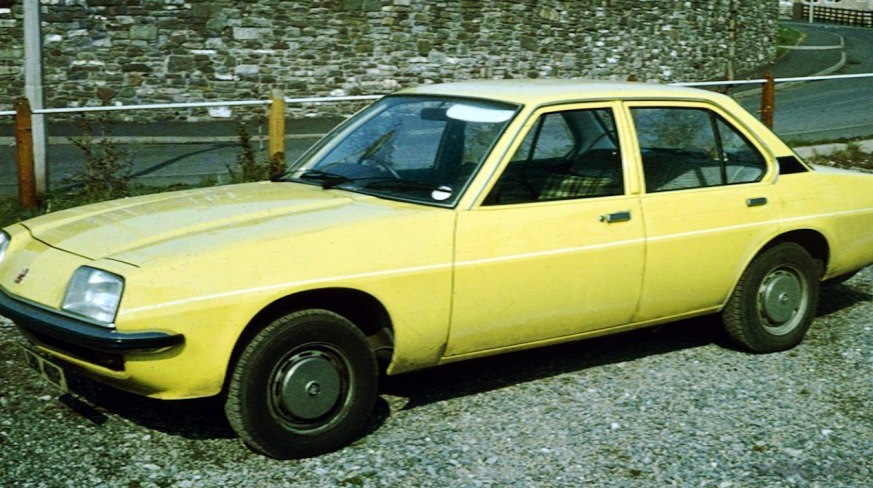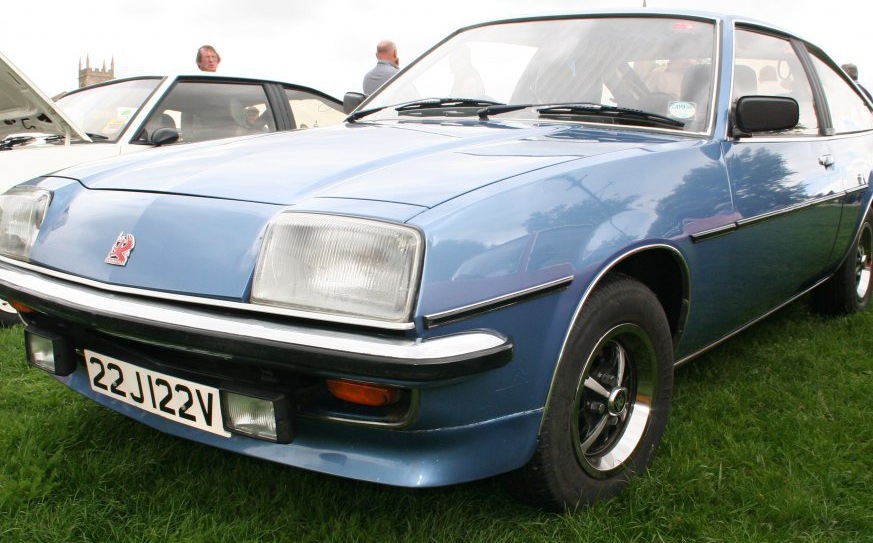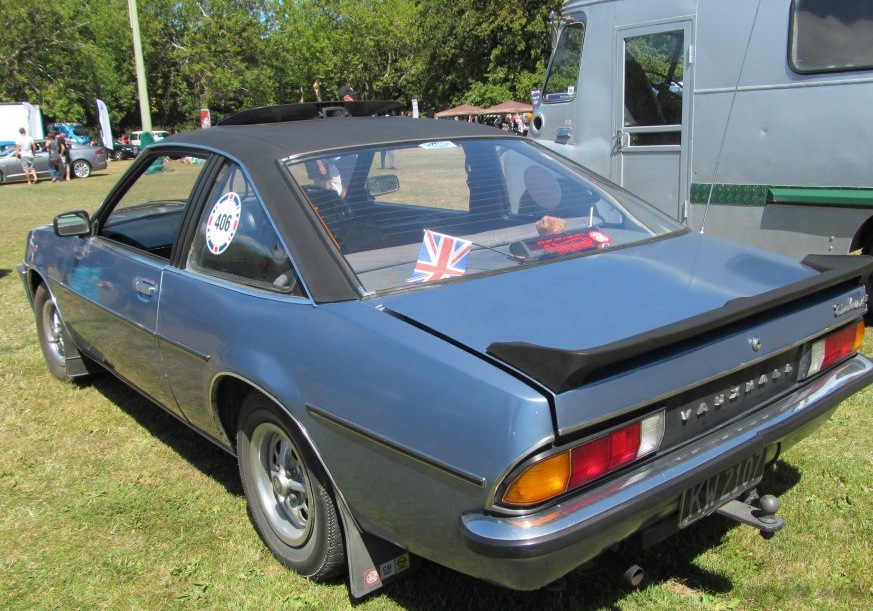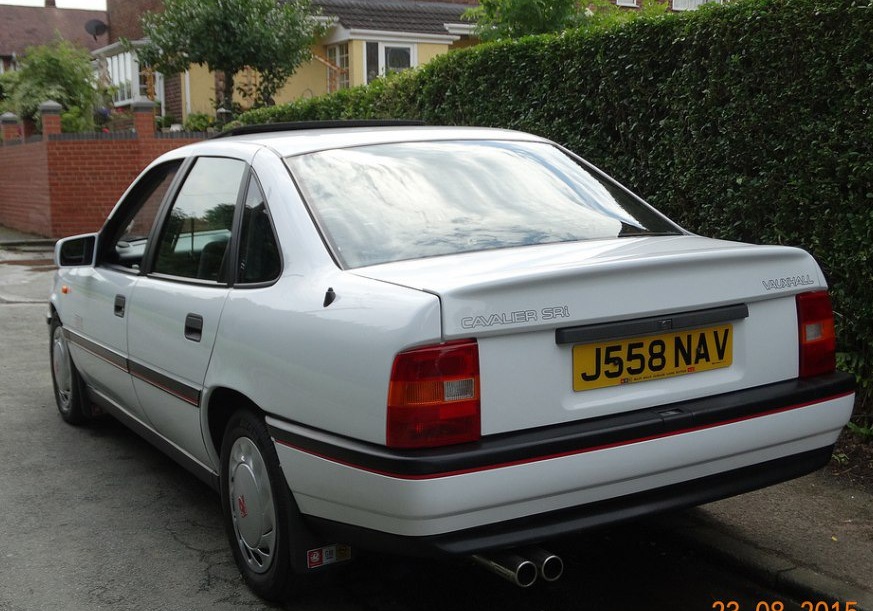
The Vauxhall Cavalier Mk III 1.8i CAT (90 hp) was a popular variant of the Mk III Cavalier, produced between 1990 and 1992. Positioned as an entry-level to mid-range offering within the Mk III lineup (which also included 1.6L, 2.0L, and turbocharged variants), it represented a balance between affordability and reasonable performance. The Mk III Cavalier, based on the GM X platform (internally known as the 1HX0/A3 platform), was a significant step forward for Vauxhall, offering a more modern design and improved engineering compared to its predecessor. This particular 1.8-liter model aimed to provide economical transportation for families and commuters, while still offering a comfortable driving experience.
The 1.8i CAT was powered by the C18NZ engine, an inline four-cylinder gasoline engine displacing 1796 cc (109.6 cubic inches). This engine featured a single-point fuel injection system, a relatively simple setup for the time, contributing to its affordability and ease of maintenance. The engine utilized an overhead camshaft (OHC) valvetrain with two valves per cylinder. The “CAT” designation refers to the catalytic converter fitted to the exhaust system, complying with increasingly stringent emissions regulations. The engine produced 90 horsepower at 5400 rpm and 145 Nm (106.95 lb-ft) of torque at 3000 rpm. This power was delivered to the front wheels through a four-speed automatic transmission, a key feature differentiating it from the more common five-speed manual gearbox found in other Cavalier models. The automatic transmission was a GM-sourced unit, designed for smooth operation and ease of use, but at the expense of some performance and fuel efficiency.
In real-world driving, the 1.8i CAT automatic offered adequate, but not exhilarating, performance. Acceleration from 0 to 60 mph took approximately 11.9 seconds, and it had a top speed of around 113.71 mph (183 km/h). Compared to the manual transmission versions of the 1.8, or the more powerful 2.0L models, the automatic suffered from noticeable power loss due to the transmission’s inherent inefficiencies. Gear ratios were optimized for fuel economy and comfortable cruising rather than sporty acceleration. The automatic transmission, while convenient, did detract from driver engagement and responsiveness. However, it made the Cavalier accessible to a wider range of drivers, particularly those who preferred the simplicity of an automatic.
The 1.8i CAT typically came equipped with a reasonable level of standard features for its price point. Interior upholstery was generally cloth, with a practical and durable finish. The dashboard layout was functional, with clearly marked gauges and controls. Common features included power steering, central locking, and an AM/FM radio. Optional extras could include electric windows, a sunroof, and upgraded audio systems. Trim levels varied slightly depending on the market, but generally, the 1.8i CAT was positioned as a well-equipped, yet affordable, family sedan.
The Cavalier Mk III utilized an independent McPherson strut suspension system at the front, providing a comfortable ride and decent handling. The rear suspension employed a simpler coil spring setup. Brakes were disc on the front wheels and drum brakes on the rear, a common configuration for vehicles in this class at the time. Hydraulic power steering was standard, making maneuvering easy, especially in urban environments. The 1.8i CAT typically rode on 175/70 R14 tires, mounted on 14-inch steel wheels, although alloy wheels were available as an option.
Contemporary reviews of the 1.8i CAT automatic were generally positive, praising its comfortable ride, spacious interior, and affordability. However, critics often noted the lack of outright performance compared to the manual transmission models or the higher-specification engines. Fuel economy was considered reasonable for the time, with combined fuel consumption around 33.1 US mpg (39.8 UK mpg). Reliability was generally good, although the single-point fuel injection system could require occasional maintenance. Compared to the 2.0L models, the 1.8i CAT offered a lower purchase price and slightly better fuel economy, but at the cost of performance. The 1.8i CAT was a sensible choice for buyers prioritizing practicality and value.
| Engine Code | C18NZ |
| Engine Displacement | 1796 cm3 (109.6 cu. in.) |
| Number of Cylinders | 4, Inline |
| Power Output | 90 hp @ 5400 rpm |
| Torque | 145 Nm (106.95 lb-ft) @ 3000 rpm |
| Fuel Injection | Single-point |
| Valvetrain | OHC, 2 valves per cylinder |
| Compression Ratio | 9.2:1 |
| Transmission | 4-speed Automatic |
| Kerb Weight | 1109 kg (2444.93 lbs) |
| Maximum Speed | 183 km/h (113.71 mph) |
| 0-60 mph | 11.9 sec |
| Fuel Consumption (Combined) | 7.1 l/100 km (33.1 US mpg, 39.8 UK mpg) |
| Fuel Tank Capacity | 61 l (16.11 US gal, 13.42 UK gal) |
| Length | 4432 mm (174.49 in) |
Today, the Vauxhall Cavalier Mk III 1.8i CAT automatic is a relatively rare sight on the roads. While generally reliable, age and mileage have taken their toll on many examples. The C18NZ engine is known to be durable, but parts availability can be a challenge. The automatic transmission, while robust, may require rebuilding after many years of service. The 1.8i CAT automatic is now considered a classic car, appealing to enthusiasts seeking a nostalgic driving experience and a relatively affordable entry point into classic Vauxhall ownership. Its simplicity and ease of maintenance make it a viable option for those willing to invest in its upkeep.