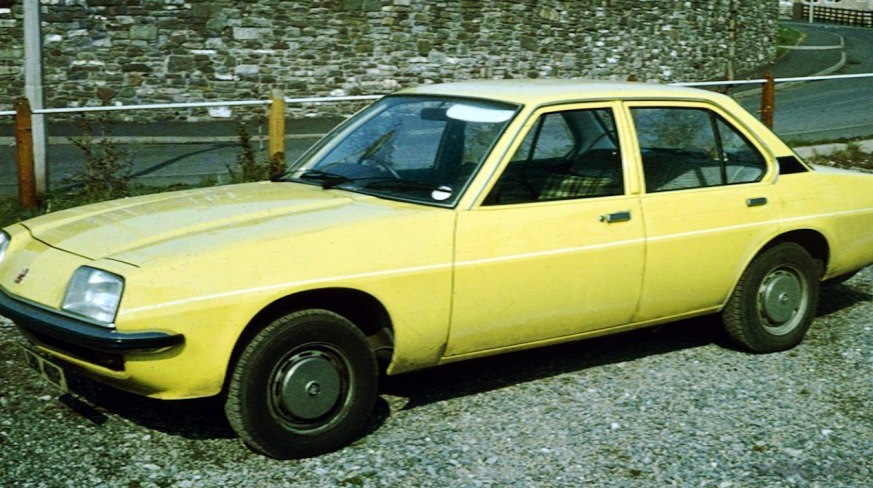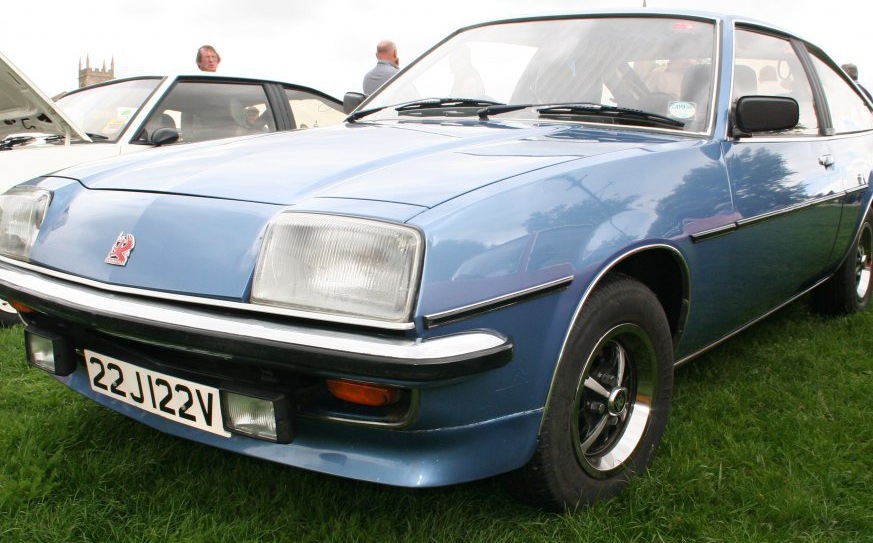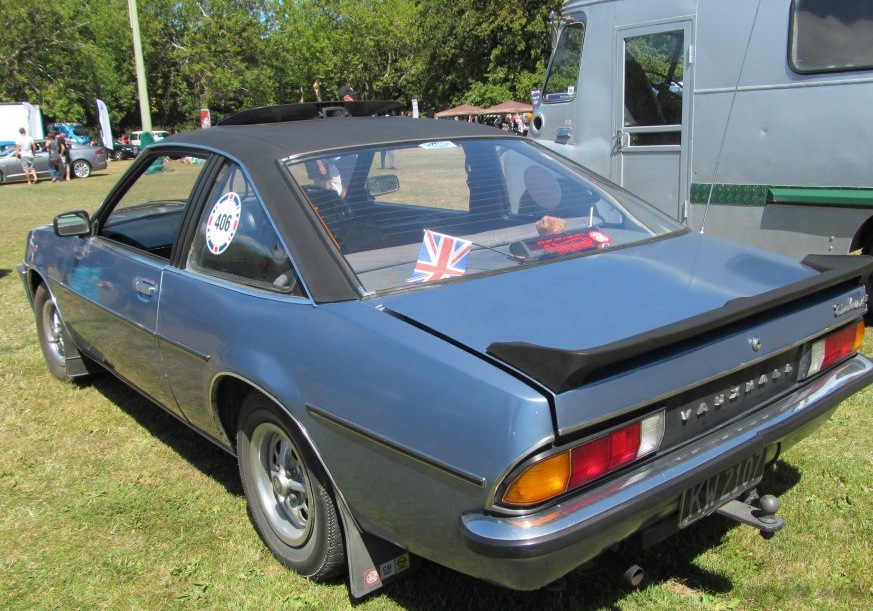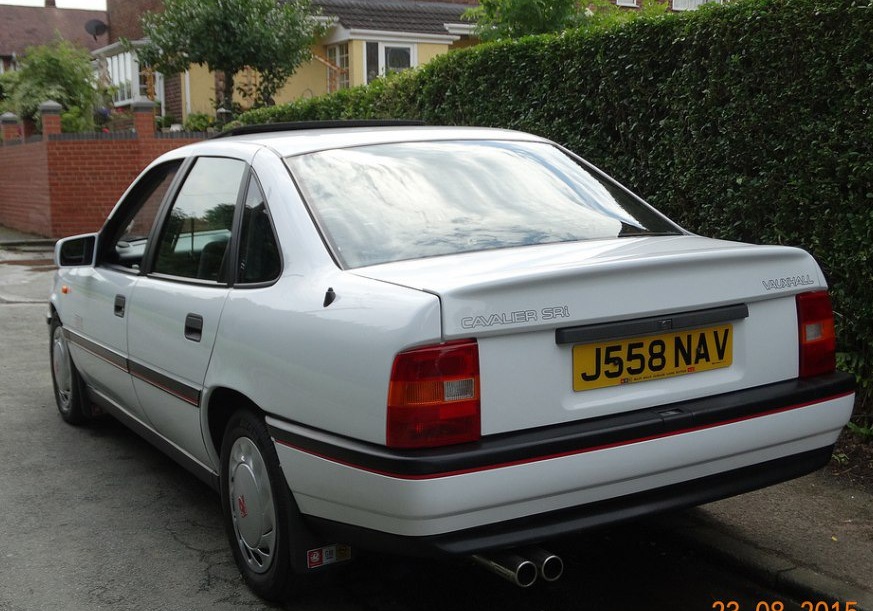
The Vauxhall Cavalier Mk III 2.0i 4×4, produced between 1988 and 1989, represented a relatively short-lived but significant variant within the Mk III Cavalier range (1988-1995). This model, positioned as a premium offering, combined a 2.0-liter inline-four engine with a full-time four-wheel-drive system. It aimed to provide enhanced traction and stability, appealing to drivers in regions experiencing inclement weather or those desiring a more secure driving experience. The Mk III Cavalier itself was a substantial redesign from its predecessor, moving towards a more aerodynamic and modern aesthetic, and sharing a platform with the Opel Vectra A.
The 2.0i 4×4 in the Cavalier Mk III Lineup
The Cavalier Mk III was offered with a variety of engine and trim level combinations. The range started with 1.6-liter and 1.8-liter petrol engines, progressing to the 2.0i, and culminating in the more powerful 2.0i 16v and turbo variants. The 2.0i 4×4 sat near the top of the non-turbocharged range, offering a blend of performance and all-weather capability. It was more expensive than the base models but less so than the higher-performance, front-wheel-drive 2.0i 16v. The addition of four-wheel drive distinguished it from other 2.0i models, targeting a niche market seeking improved handling and safety in challenging conditions.
Powertrain & Engine Architecture
The heart of the 2.0i 4×4 was the 20SEH engine, a naturally aspirated, inline-four cylinder petrol engine displacing 1998cc. This engine featured a cast iron block and an aluminum cylinder head, employing a single overhead camshaft (SOHC) design with two valves per cylinder. Fuel delivery was managed by Bosch Motronic fuel injection, a sophisticated system for its time, optimizing fuel efficiency and emissions. The 20SEH produced 129 horsepower (hp) at 5200 rpm and approximately 138 lb-ft of torque at 3600 rpm.
The transmission paired with the 20SEH was a four-speed automatic gearbox. While not known for its sportiness, this automatic provided smooth shifts and ease of use, aligning with the car’s intended role as a comfortable and capable family saloon. The four-wheel-drive system was a permanent, viscous-coupled system. This meant that power was constantly distributed to all four wheels, with the viscous coupling automatically transferring torque to the axle with the most grip. This system didn’t offer a locking differential or any driver control over the torque split; it operated entirely automatically.
Engine Code Specifics
The 20SEH engine code is crucial for identifying specific components and maintenance requirements. The engine utilized a distributor ignition system and a relatively simple engine management system compared to later iterations. Common maintenance items included regular oil changes (using a 10W-40 mineral oil was typical), spark plug replacement, and periodic inspection of the timing belt. The engine was generally considered robust, but prone to oil leaks as it aged, particularly around the valve cover and oil pan gaskets.
Driving Characteristics
The 2.0i 4×4 offered a noticeably different driving experience compared to its front-wheel-drive counterparts. The four-wheel-drive system provided significantly improved traction, particularly on slippery surfaces like wet roads, snow, or gravel. However, the added weight of the transfer case and rear differential, combined with the inherent mechanical losses of the 4×4 system, resulted in slightly slower acceleration and reduced fuel economy compared to the 2.0i models with front-wheel drive.
The automatic transmission, while convenient, didn’t offer the responsiveness of a manual gearbox. Gear ratios were geared towards comfortable cruising rather than spirited driving. The car felt stable and planted in corners, thanks to the all-wheel-drive system, but the suspension wasn’t particularly sporty. The steering was power-assisted, providing light and easy maneuverability, but lacked significant feedback.
Equipment & Trim Levels
The 2.0i 4×4 was typically equipped with a higher level of standard features than the base Cavalier models. These included central locking, electric windows, power steering, and an upgraded interior trim. Upholstery was typically cloth, available in a range of colors, with options for velour or leather upgrades. The dashboard featured a comprehensive instrument cluster with gauges for speed, tachometer, fuel level, coolant temperature, and a clock. Optional extras included a sunroof, upgraded audio system, and alloy wheels. Air conditioning was also available, though not standard on all models.
Chassis & Braking
The Cavalier Mk III utilized a MacPherson strut front suspension and a semi-independent torsion beam rear suspension. The 4×4 models featured slightly stiffer springs and dampers to compensate for the added weight. Braking was initially provided by disc brakes on the front wheels and drum brakes on the rear. Later models, and often higher trim levels, were upgraded to all-round disc brakes. The 2.0i 4×4 typically featured disc brakes all around. The braking system was hydraulically assisted, providing adequate stopping power for normal driving conditions. Stabilizer bars were fitted to both the front and rear axles to reduce body roll during cornering.
Market Reception & Comparison
The 2.0i 4×4 was generally well-received by automotive critics, who praised its all-weather capability and comfortable ride. However, some reviewers noted the slightly sluggish performance and higher price compared to other Cavalier models. Compared to the 2.0i 16v, the 4×4 offered less outright performance but superior traction. Against the 1.8-liter models, the 2.0i 4×4 provided a significant power upgrade and the added security of four-wheel drive. Fuel economy was rated at around 24-28 mpg (combined), which was reasonable for a car of its size and drivetrain configuration, but lower than the front-wheel-drive variants.
Technical Specifications
| Engine Type | Inline-4, Naturally Aspirated |
| Engine Code | 20SEH |
| Displacement | 1998cc (1.998 liters) |
| Power Output | 129 hp @ 5200 rpm |
| Torque Output | 138 lb-ft @ 3600 rpm |
| Fuel System | Bosch Motronic Fuel Injection |
| Transmission | 4-Speed Automatic |
| Drivetrain | All-Wheel Drive (4×4) |
| Length | 4432 mm (174.49 in) |
| Width | 1706 mm (67.17 in) |
| Height | 1400 mm (55.12 in) |
| Wheelbase | 2600 mm (102.36 in) |
| Trunk Space (min) | 530 liters (18.72 cu ft) |
| Trunk Space (max) | 840 liters (29.66 cu ft) |
| Fuel Tank Capacity | 61 liters (16.11 US gal) |
Legacy
The Vauxhall Cavalier Mk III 2.0i 4×4, while not a high-volume seller, remains a sought-after model among enthusiasts. The 20SEH engine is known for its reliability, provided it is well-maintained. The four-wheel-drive system, while relatively simple, is generally durable. Today, finding a well-preserved example can be challenging, as many have succumbed to rust or been modified. However, those that remain offer a unique blend of classic styling, comfortable features, and all-weather capability, making them a compelling choice for collectors and classic car enthusiasts. Parts availability is generally good, as many components are shared with other Opel/Vauxhall models of the era. The car represents a period of innovation for Vauxhall, showcasing their attempt to offer a more sophisticated and capable family saloon.