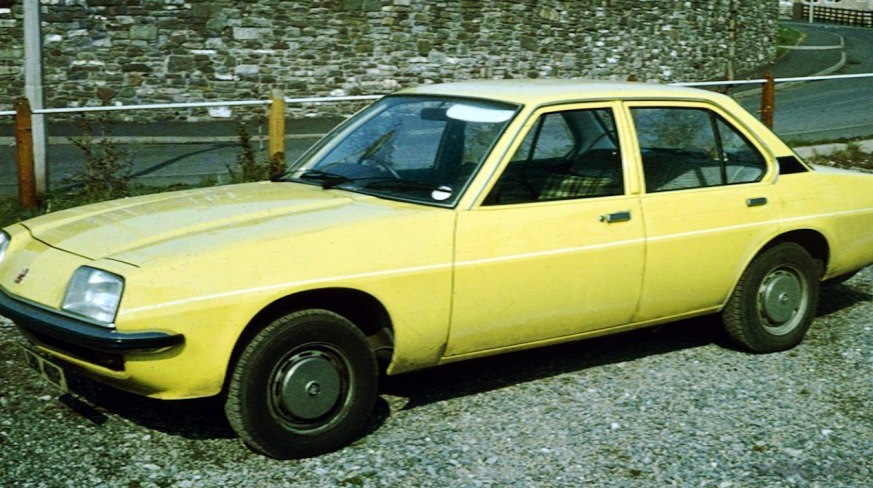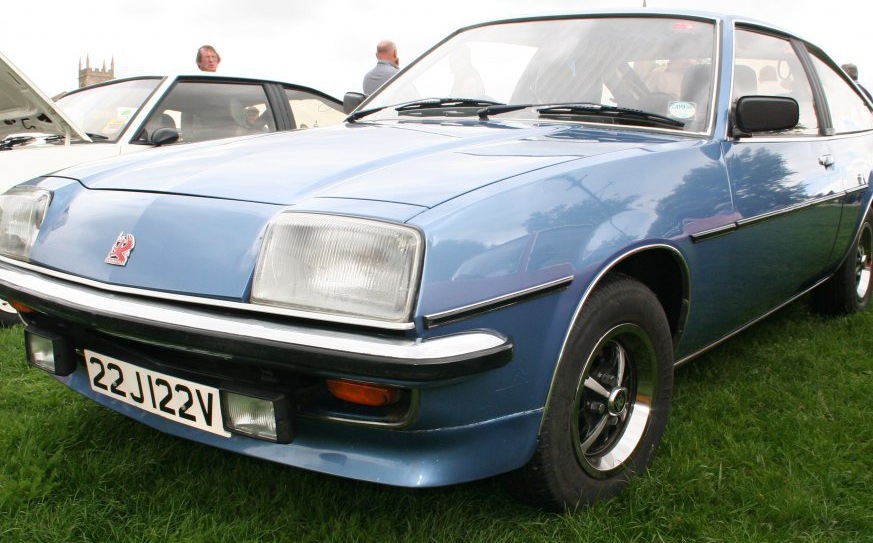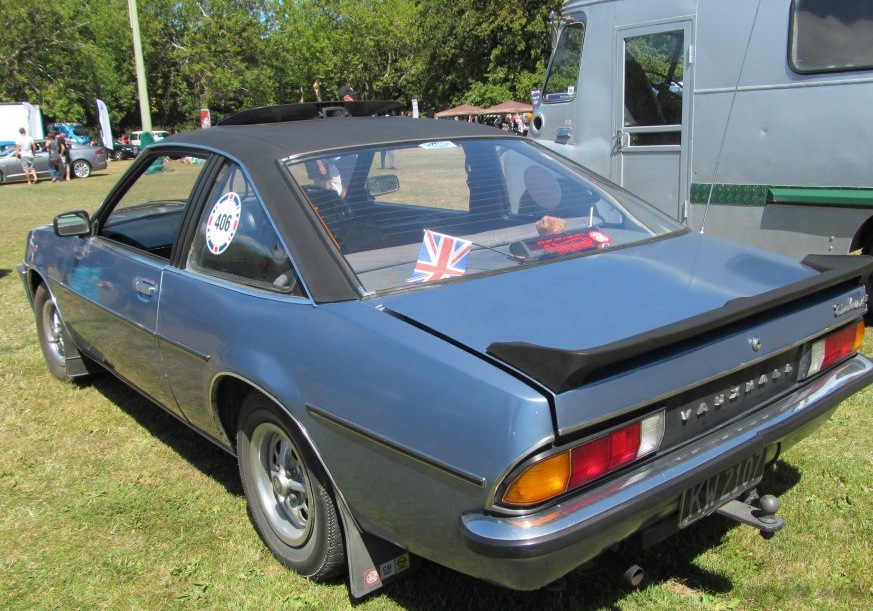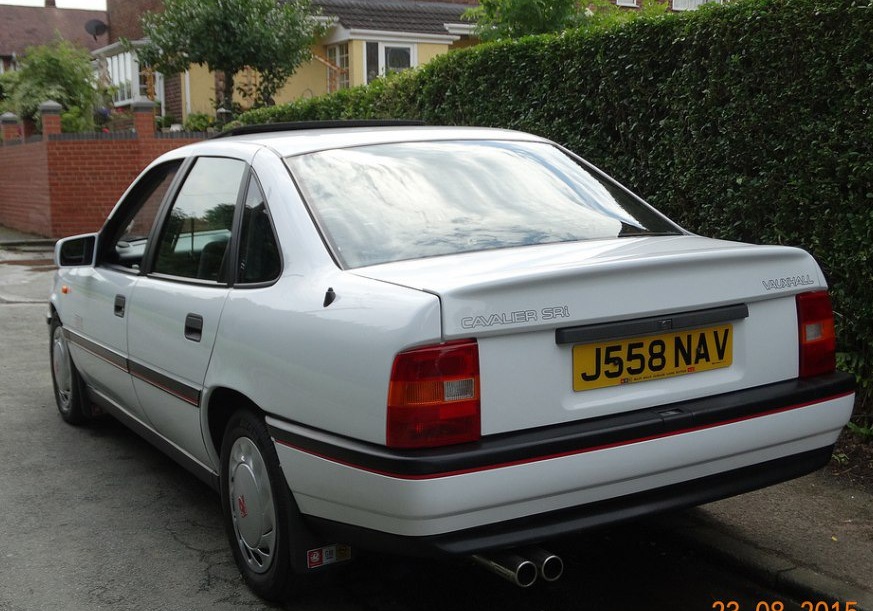
The Vauxhall Cavalier Mk III 2.0i 16V, produced between 1988 and 1989, represented a performance-oriented variant within the Mk III Cavalier range (1988-1995). Positioned as a near-premium offering, it slotted above the base models and the 1.8L versions, but below the later, more powerful turbocharged variants. This model was part of the larger GM J-car platform, known internally as the 81BX/82BX, and shared components with other GM vehicles of the era, including the Opel Ascona and Isuzu Gemini. The 2.0i 16V was aimed at drivers seeking a blend of respectable performance and everyday practicality in a front-wheel-drive, four-door sedan.
Powertrain & Engine Architecture
The heart of the Cavalier 2.0i 16V is the C20XE engine, a 1,998 cc (121.93 cu. in.) inline-four cylinder powerplant. This engine is a key member of the GM Family II engine family, renowned for its durability and tuning potential. The ‘XE’ designation signifies a dual overhead camshaft (DOHC) valvetrain with four valves per cylinder, contributing to its higher power output compared to the single overhead cam (SOHC) versions. The engine utilizes multi-port fuel injection, delivering precise fuel metering for improved efficiency and responsiveness. The compression ratio is set at 10.5:1.
The C20XE produces 150 hp (112 kW) at 6,000 rpm and 196 Nm (144.56 lb-ft) of torque at 4,600 rpm. The engine’s transverse mounting and front-wheel-drive configuration were standard for the Mk III Cavalier. The transmission offered was a four-speed automatic, although a five-speed manual was also available. The automatic transmission, a GM-sourced unit, was chosen by many buyers for its ease of use, particularly in urban driving conditions. It featured a torque converter and was designed to handle the engine’s output without significant strain.
Fuel Injection and Valvetrain Details
The C20XE’s multi-port fuel injection system employed individual throttle bodies for each cylinder, enhancing throttle response. The DOHC valvetrain, with its four valves per cylinder, allowed for improved breathing and higher engine speeds. The camshaft profiles were optimized for a balance of low-end torque and high-end power, making the engine usable in a variety of driving situations. Engine oil capacity is 4.5 liters (4.76 US qt | 3.96 UK qt), and coolant capacity is 7.2 liters (7.61 US qt | 6.34 UK qt).
Driving Characteristics
The 2.0i 16V with the automatic transmission offered a comfortable and capable driving experience. Acceleration from 0 to 60 mph was achieved in approximately 8.1-8.5 seconds, and the car could reach a top speed of around 134.84 mph (217 km/h). While not a sports car, the 2.0i 16V provided noticeably more spirited performance than the lower-powered 1.6L and 1.8L models. The automatic transmission, while smooth, did result in some power loss compared to the manual version. Gear ratios were tuned for a balance of acceleration and fuel economy, with a focus on providing adequate power for highway cruising. The power delivery was relatively linear, making the car predictable and easy to control.
Compared to the later, turbocharged Cavalier variants, the 2.0i 16V felt less urgent in its acceleration. However, it offered a more refined and less demanding driving experience. The naturally aspirated engine also meant that it didn’t suffer from the turbo lag that characterized the turbocharged models.
Equipment & Trim Levels
The 2.0i 16V typically came with a higher level of standard equipment than the base Cavalier models. This included features such as central locking, electric windows, and a more comprehensive instrument cluster. Interior upholstery was typically cloth, although leather options were available. The dashboard layout was functional and straightforward, with a focus on ergonomics. Optional extras included a sunroof, upgraded sound system, and alloy wheels. The trim level often featured a subtle badge denoting the 2.0i 16V specification.
Chassis & Braking
The Cavalier Mk III utilized an independent McPherson strut suspension at the front, providing good handling and ride comfort. The rear suspension employed a coil spring setup. The 2.0i 16V benefited from a slightly stiffer suspension setup compared to the lower-powered models, improving handling and reducing body roll. Braking was handled by ventilated discs at the front and discs at the rear, providing adequate stopping power. An Anti-lock Braking System (ABS) was often included as standard equipment, enhancing safety. The steering was rack and pinion with hydraulic power assistance, offering precise and responsive steering feel. Tire size was typically 195/60 R15, mounted on 15-inch wheels.
Market Reception & Comparison
The Cavalier 2.0i 16V was generally well-received by automotive critics. It was praised for its performance, handling, and overall refinement. However, some critics noted that the automatic transmission could feel somewhat sluggish compared to the manual version. In terms of fuel economy, the 2.0i 16V achieved around 29.8 US mpg (7.9 l/100 km), which was respectable for its time. Reliability was generally good, although the C20XE engine required regular maintenance to ensure optimal performance. Compared to the 1.8L models, the 2.0i 16V offered a significant performance upgrade, while remaining relatively affordable. Compared to the later turbocharged models, it offered a more balanced and less demanding driving experience.
Technical Specifications
| Body Type | Sedan, 4 Doors, 5 Seats |
| Fuel Economy (Combined) | 7.9 l/100 km (29.8 US mpg, 35.8 UK mpg, 12.7 km/l) |
| Maximum Speed | 217 km/h (134.84 mph) |
| 0-60 mph | 8.1 sec |
| Power | 150 Hp @ 6000 rpm |
| Torque | 196 Nm @ 4600 rpm (144.56 lb.-ft. @ 4600 rpm) |
| Engine Layout | Front, Transverse |
| Engine Model/Code | C20XE |
| Engine Displacement | 1998 cm3 (121.93 cu. in.) |
| Number of Cylinders | 4 |
| Engine Configuration | Inline |
| Cylinder Bore | 86 mm (3.39 in.) |
| Piston Stroke | 86 mm (3.39 in.) |
| Compression Ratio | 10.5:1 |
| Number of Valves per Cylinder | 4 |
| Fuel Injection System | Multi-port manifold injection |
| Engine Oil Capacity | 4.5 l (4.76 US qt | 3.96 UK qt) |
| Coolant Capacity | 7.2 l (7.61 US qt | 6.34 UK qt) |
| Kerb Weight | 1215 kg (2678.62 lbs.) |
| Max. Weight | 1720 kg (3791.95 lbs.) |
| Trunk Space (Minimum) | 530 l (18.72 cu. ft.) |
| Trunk Space (Maximum) | 840 l (29.66 cu. ft.) |
| Fuel Tank Capacity | 61 l (16.11 US gal | 13.42 UK gal) |
| Length | 4432 mm (174.49 in.) |
| Width | 1706 mm (67.17 in.) |
| Height | 1400 mm (55.12 in.) |
Legacy
The C20XE engine, found in the Cavalier 2.0i 16V, has earned a reputation for its durability and tunability. Many examples are still on the road today, often having undergone significant mileage. The engine is relatively easy to maintain, and spare parts are still readily available. The automatic transmission, while not as sporty as the manual, has also proven to be reliable. In the used car market, the 2.0i 16V is often sought after by enthusiasts who appreciate its blend of performance and practicality. While not as collectible as some of the more rare or high-performance Cavalier variants, it remains a desirable and well-regarded model within the Mk III Cavalier range.