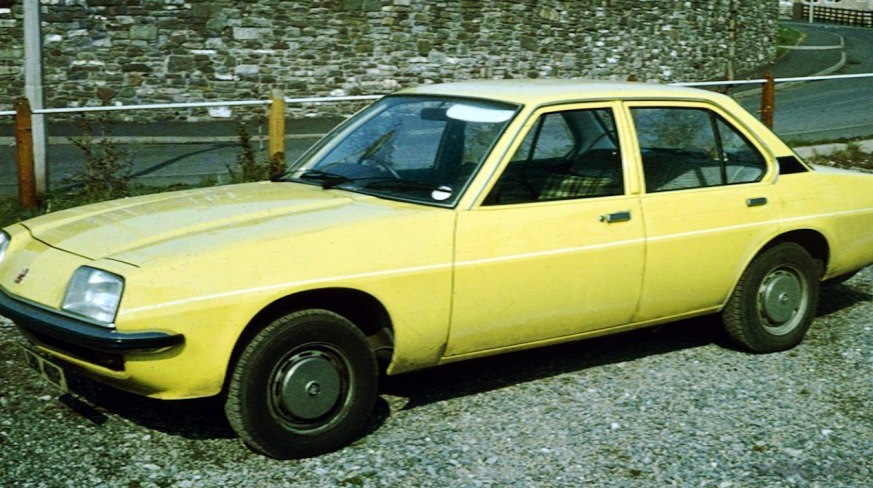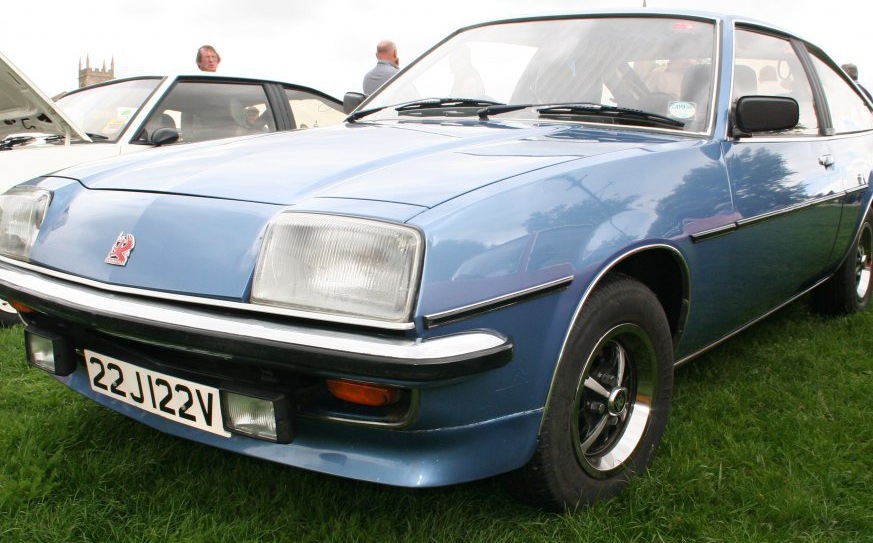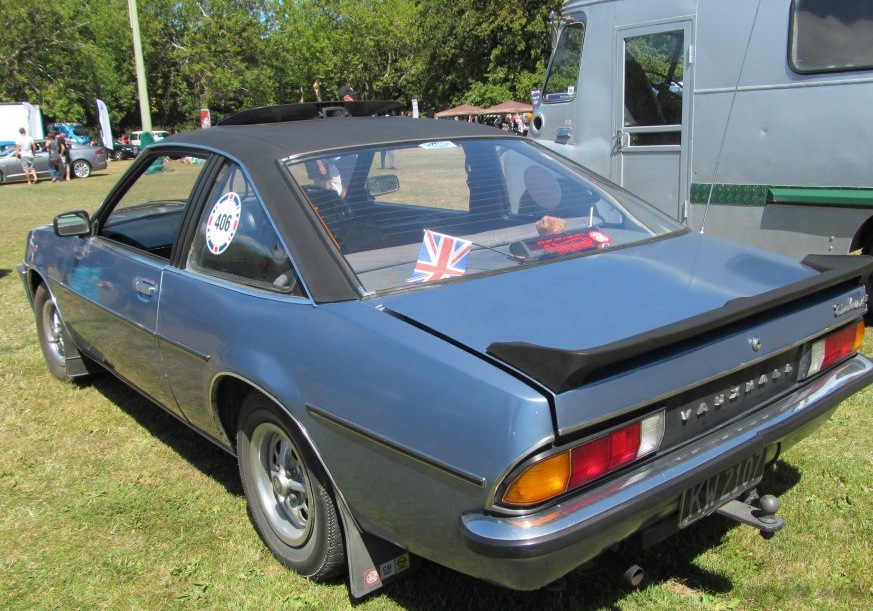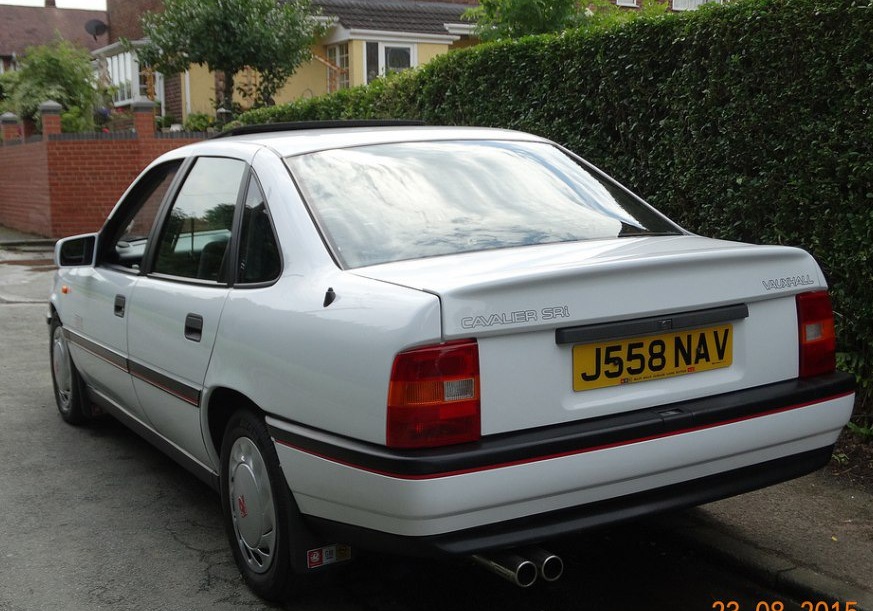
The Vauxhall Cavalier Mk III 2.0i 16V 4×4, produced between 1989 and 1990, represented a high-performance variant within the Mk III Cavalier range (1988-1990). This model, built on the GM X platform (internally designated as the 81/82/83/84 series), was positioned as a premium offering, combining a potent 16-valve engine with all-wheel drive capability. It aimed to appeal to drivers seeking a blend of performance, practicality, and all-weather security. The Mk III Cavalier itself was a significant update over its predecessor, offering improved aerodynamics, a more modern interior, and a wider range of engine options.
Powertrain & Engine Architecture
The heart of the 2.0i 16V 4×4 was the C20XE engine, a 1,998 cc (121.93 cu. in.) inline-four cylinder powerplant. This engine was a key component of Opel/Vauxhall’s ‘E’ series, known for its robust construction and performance potential. The C20XE featured a cast iron block with an aluminum cylinder head, incorporating dual overhead camshafts (DOHC) and four valves per cylinder. This configuration allowed for excellent breathing and a high compression ratio of 10.5:1, contributing to its 150 hp output at 6000 rpm and 196 Nm (144.56 lb-ft) of torque at 4800 rpm. Fuel delivery was managed by a Bosch Motronic multi-port fuel injection system, optimizing fuel efficiency and emissions. The engine’s power-to-liter ratio was a respectable 75.1 hp/liter.
The transmission was a five-speed manual gearbox, chosen to handle the engine’s output and complement the all-wheel-drive system. The gearbox was designed for durability and provided precise shifting. The all-wheel-drive system was a permanent four-wheel drive setup, utilizing a viscous coupling to distribute torque between the front and rear axles. This system provided enhanced traction in slippery conditions without requiring driver intervention.
Engine Specifications (C20XE)
- Displacement: 1,998 cc (121.93 cu. in.)
- Cylinder Bore: 86 mm (3.39 in.)
- Piston Stroke: 86 mm (3.39 in.)
- Compression Ratio: 10.5:1
- Valvetrain: DOHC, 4 valves per cylinder
- Fuel Injection: Bosch Motronic Multi-port
- Maximum Power: 150 hp @ 6000 rpm
- Maximum Torque: 196 Nm (144.56 lb-ft) @ 4800 rpm
Driving Characteristics
The 2.0i 16V 4×4 offered a noticeably more engaging driving experience compared to lower-spec Cavalier models. The 150 hp engine provided brisk acceleration, achieving 0-62 mph (0-100 km/h) in approximately 9.5 seconds and a top speed of 129.25 mph (208 km/h). The all-wheel-drive system significantly improved grip, particularly on loose surfaces or in inclement weather. While not a dedicated sports car, the 4×4 variant offered a balanced and confident handling characteristic. The five-speed manual transmission allowed drivers to fully exploit the engine’s powerband. Compared to the 2.0i 8V models, the 16V engine provided a more responsive and rev-happy experience. The 4×4 system added weight, slightly impacting fuel economy and agility compared to front-wheel-drive versions, but the added security and performance benefits were considered worthwhile by many buyers.
Equipment & Trim Levels
The 2.0i 16V 4×4 was typically offered with a higher level of standard equipment than base Cavalier models. Interior features generally included comfortable cloth upholstery, a well-equipped dashboard with comprehensive instrumentation, and power steering. Electric windows and central locking were often standard, or available as options. The exterior featured body-colored bumpers and door handles, and alloy wheels were a common upgrade. Optional extras could include a sunroof, upgraded audio systems, and metallic paint finishes. The interior trim was generally focused on practicality and durability, reflecting the car’s overall positioning as a capable and reliable family saloon.
Chassis & Braking
The Cavalier Mk III utilized an independent McPherson strut suspension setup at the front, with a coil spring and anti-roll bar for improved handling and ride comfort. The rear suspension employed a coil spring arrangement. The 2.0i 16V 4×4 was equipped with ventilated disc brakes at the front and disc brakes at the rear, providing ample stopping power. An Anti-lock Braking System (ABS) was often included as standard equipment, enhancing safety and control during emergency braking situations. The chassis was reinforced to accommodate the stresses of the all-wheel-drive system. Tire size was typically 195/60 R15, mounted on 15-inch alloy wheels.
Market Reception & Comparison
The Vauxhall Cavalier Mk III 2.0i 16V 4×4 was generally well-received by automotive critics. It was praised for its strong performance, all-weather capability, and comfortable ride. However, some reviewers noted that the all-wheel-drive system added weight, slightly impacting fuel economy. Compared to other trims in the Cavalier lineup, the 2.0i 16V 4×4 offered a significant performance upgrade over the 1.6 and 2.0 8V models. It provided a more refined and engaging driving experience than the diesel variants. In terms of fuel economy, the 2.0i 16V 4×4 returned approximately 28.3 US mpg (34 UK mpg) on a combined cycle, which was reasonable for a car of its performance and capability. Competitors at the time included the Ford Sierra 2.0i Ghia 4×4 and the Volkswagen Passat 16V.
Technical Specifications
| Brand | Vauxhall |
| Model | Cavalier |
| Generation | Cavalier Mk III |
| Type | 2.0i 16V (150 Hp) 4×4 |
| Start of production | 1989 |
| End of production | 1990 |
| Body type | Sedan |
| Seats | 5 |
| Doors | 4 |
| Fuel consumption (urban) | 11.5 l/100 km (20.5 US mpg) |
| Fuel consumption (extra urban) | 6.8 l/100 km (34.6 US mpg) |
| Fuel consumption (combined) | 8.3 l/100 km (28.3 US mpg) |
| Fuel Type | Petrol (Gasoline) |
| Acceleration 0 – 100 km/h | 9.5 sec |
| Acceleration 0 – 62 mph | 9.5 sec |
| Acceleration 0 – 60 mph | 9 sec |
| Maximum speed | 208 km/h (129.25 mph) |
| Kerb Weight | 1310 kg (2888.06 lbs) |
| Max. weight | 1805 kg (3979.34 lbs) |
| Trunk (boot) space (minimum) | 530 l (18.72 cu. ft) |
| Trunk (boot) space (maximum) | 840 l (29.66 cu. ft) |
| Fuel tank capacity | 61 l (16.11 US gal) |
| Length | 4432 mm (174.49 in) |
| Width | 1706 mm (67.17 in) |
| Height | 1400 mm (55.12 in) |
| Wheelbase | 2600 mm (102.36 in) |
| Engine Model/Code | C20XE |
| Engine displacement | 1998 cm3 (121.93 cu. in) |
| Number of cylinders | 4 |
Legacy
The C20XE engine, found in the 2.0i 16V 4×4, is regarded as a durable and reliable unit. Well-maintained examples continue to operate today. The all-wheel-drive system, while adding complexity, has also proven to be relatively robust. In the used car market, the 2.0i 16V 4×4 is sought after by enthusiasts who appreciate its performance and rarity. Rust remains the biggest enemy of these cars, as with many vehicles of this era. Parts availability is generally good, although some specific components may be becoming increasingly difficult to source. The Cavalier Mk III 2.0i 16V 4×4 represents a compelling blend of performance, practicality, and all-weather capability, making it a desirable classic for those seeking a taste of 1980s/early 1990s motoring.