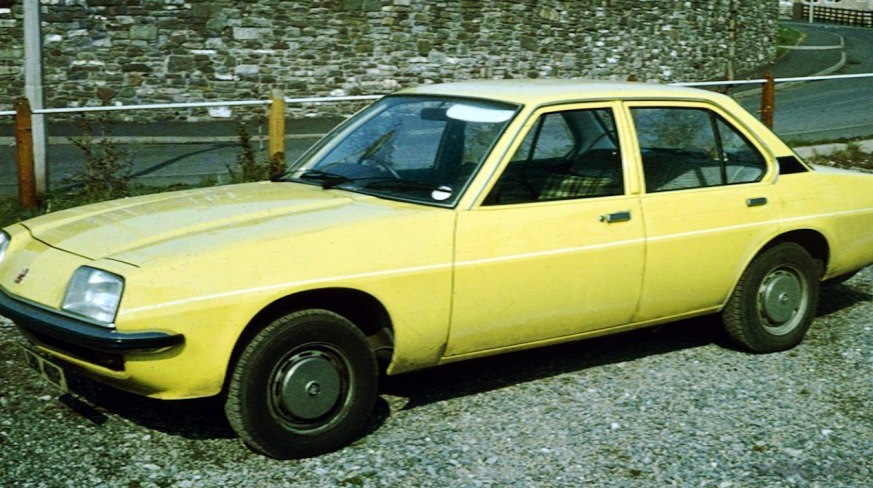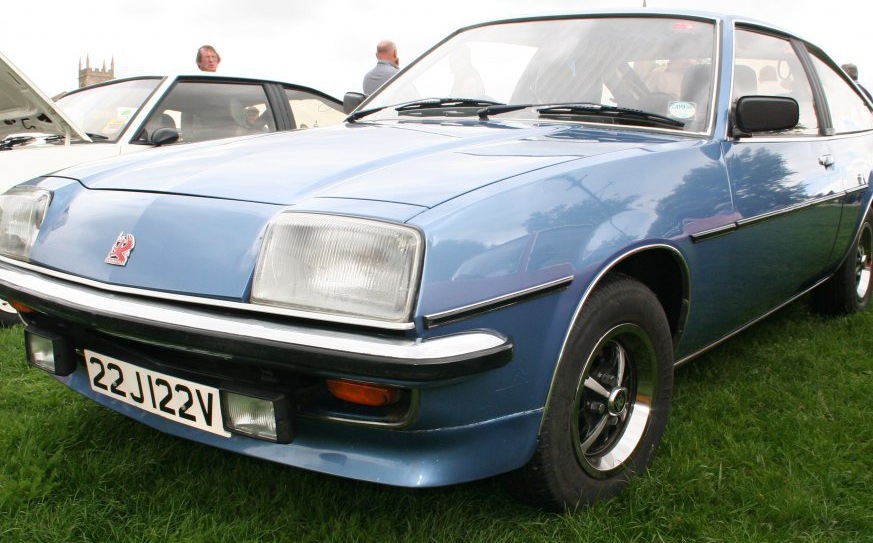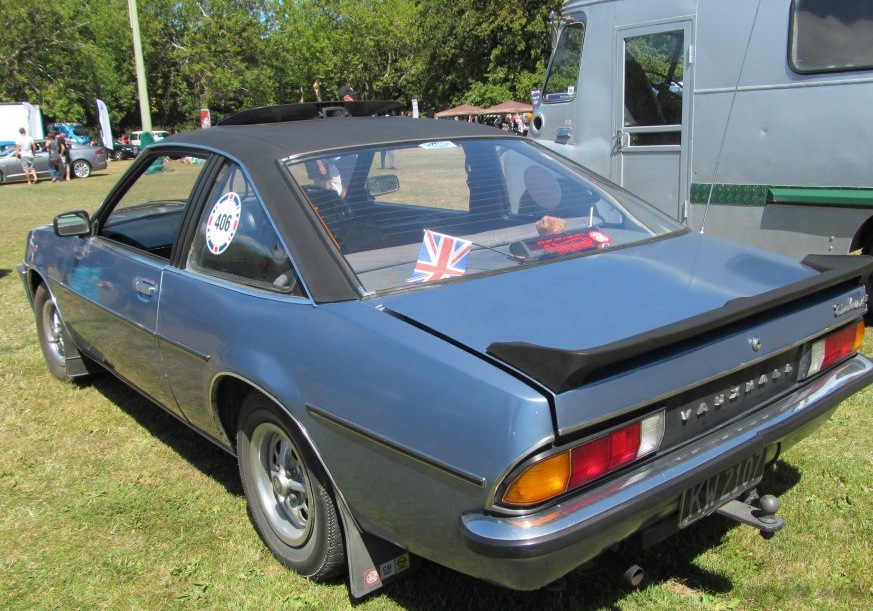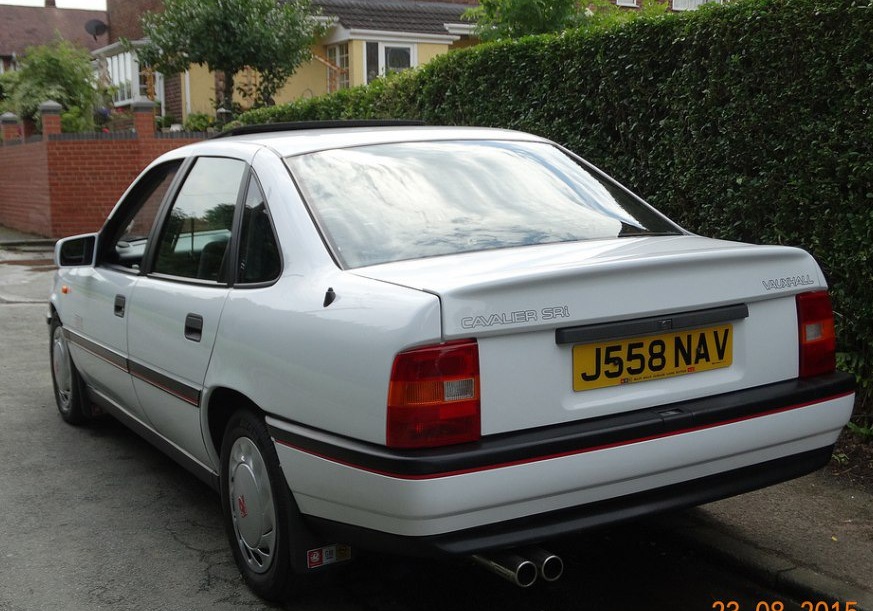
The Vauxhall Cavalier Mk III 2.0i CAT (115 hp) was a significant variant within the third generation of the Cavalier, produced between 1988 and 1992. This model represented a mid-range offering in the lineup, positioned above the base 1.6-liter models but below the more performance-oriented versions like the 2.0iE. The Mk III Cavalier, based on the GM X platform (internally known as the 1HX0), aimed to provide a comfortable and practical family saloon with a degree of sporting appeal. The 2.0i CAT version, equipped with a catalytic converter (hence the “CAT” designation), was designed to meet increasingly stringent emissions regulations while offering a reasonable balance of performance and fuel economy.
Powertrain & Engine Architecture
The heart of the Cavalier 2.0i CAT was the C20NE engine, a 1998 cc (121.93 cu. in.) inline-four cylinder petrol engine. This engine featured a cast iron block and an aluminum cylinder head, employing a single overhead camshaft (OHC) valvetrain with two valves per cylinder. The C20NE utilized Bosch multi-port fuel injection, a significant advancement over earlier carburetor-equipped models, contributing to improved fuel efficiency and smoother operation. The engine produced 115 hp (86 kW) at 5400 rpm and 170 Nm (125.39 lb-ft) of torque at 2600 rpm. The compression ratio was set at 9.2:1. Engine oil capacity was 4 liters (4.23 US qt | 3.52 UK qt), and the engine required 7.2 liters (7.61 US qt | 6.34 UK qt) of coolant.
While a five-speed manual transmission was the most common pairing for the 2.0i, a four-speed automatic transmission was also available, though less frequently chosen. This automatic, a GM-sourced unit, provided a more relaxed driving experience, particularly in urban environments. The automatic transmission featured a torque converter and a traditional planetary gearset. Gear ratios were optimized for fuel economy and smooth acceleration, but at the expense of outright performance compared to the manual version.
Engine Code Specifics
The C20NE engine code is crucial for identifying this specific variant. It signifies a 2.0-liter engine with catalytic converter technology. The engine’s design prioritized reliability and ease of maintenance, making it a relatively straightforward unit for mechanics to work on. The catalytic converter was a key component in reducing harmful emissions, allowing the vehicle to comply with contemporary environmental standards.
Driving Characteristics
The Cavalier 2.0i CAT offered a comfortable and composed driving experience. The 115 hp engine provided adequate power for everyday driving, with sufficient torque for overtaking maneuvers. However, it wasn’t a particularly sporty performer. Acceleration from 0-62 mph (0-100 km/h) took approximately 10.5 seconds, and the top speed was around 123 mph (198 km/h). The automatic transmission, while convenient, resulted in slightly slower acceleration times compared to the manual version due to inherent transmission losses. The power delivery was relatively linear, with peak torque available at a reasonably low engine speed. The automatic transmission’s shift points were programmed for economy, sometimes requiring a deliberate kickdown for quicker responses.
Compared to the higher-output 2.0iE variant, the CAT model felt noticeably less responsive. The 2.0iE featured a higher compression ratio and different engine management settings, resulting in increased power and a more engaging driving experience. However, the CAT version offered better fuel economy and lower emissions, making it a more practical choice for drivers prioritizing efficiency.
Equipment & Trim Levels
The 2.0i CAT trim level typically included features such as central locking, electric front windows, and a basic stereo system. Interior upholstery was usually cloth, available in a range of colors. The dashboard layout was functional and straightforward, with clearly labeled controls. Optional extras included a sunroof, upgraded stereo systems, and alloy wheels. Higher-spec versions of the 2.0i CAT could also be equipped with features like air conditioning and rear electric windows.
The trim level aimed to strike a balance between affordability and comfort. It was positioned as a step up from the base models, offering a more refined interior and additional convenience features, without the higher price tag of the more luxurious or performance-oriented trims.
Chassis & Braking
The Cavalier Mk III utilized an independent McPherson strut suspension at the front, providing a comfortable ride and decent handling. The rear suspension employed a coil spring setup. The front suspension included an anti-roll bar to reduce body roll during cornering. Braking was handled by ventilated discs at the front and discs at the rear, providing adequate stopping power for the vehicle’s weight and performance. An Anti-lock Braking System (ABS) was available as an option, enhancing safety by preventing wheel lockup during hard braking. The steering was a rack and pinion system with hydraulic power assistance, offering precise and responsive steering feel. The vehicle was equipped with 195/60 R15 tires mounted on 15-inch wheels.
Market Reception & Comparison
The Cavalier 2.0i CAT was generally well-received by automotive critics as a practical and reliable family saloon. It was praised for its comfortable ride, spacious interior, and reasonable fuel economy. However, some critics noted that the engine lacked the excitement of its rivals and that the handling wasn’t particularly sporty. Compared to other cars in its class, such as the Ford Sierra and the Austin Montego, the Cavalier offered a good balance of features and value for money.
In terms of fuel economy, the 2.0i CAT achieved around 27.4 US mpg (32.8 UK mpg or 8.6 l/100 km) in combined driving conditions. This was comparable to other 2.0-liter saloons of the time. Reliability was generally good, with the C20NE engine proving to be a durable and long-lasting unit. However, like all cars of this era, the Cavalier was susceptible to rust, particularly in areas exposed to salt and moisture.
Technical Specifications
| Brand | Vauxhall |
| Model | Cavalier |
| Generation | Cavalier Mk III |
| Type (Engine) | 2.0i CAT (115 Hp) |
| Start of production | 1988 |
| End of production | 1992 |
| Body type | Sedan |
| Seats | 5 |
| Doors | 4 |
| Fuel consumption (combined) | 8.6 l/100 km |
| Fuel consumption (US mpg) | 27.4 |
| Fuel consumption (UK mpg) | 32.8 |
| Fuel Type | Petrol (Gasoline) |
| Acceleration 0 – 100 km/h | 10.5 sec |
| Acceleration 0 – 62 mph | 10.5 sec |
| Acceleration 0 – 60 mph | 10 sec |
| Maximum speed | 198 km/h (123.03 mph) |
| Power | 115 Hp @ 5400 rpm |
| Torque | 170 Nm @ 2600 rpm (125.39 lb.-ft. @ 2600 rpm) |
| Engine layout | Front, Transverse |
| Engine Model/Code | C20NE |
| Engine displacement | 1998 cm3 (121.93 cu. in.) |
| Number of cylinders | 4 |
| Cylinder Bore | 86 mm (3.39 in.) |
| Piston Stroke | 86 mm (3.39 in.) |
| Compression ratio | 9.2:1 |
| Fuel tank capacity | 61 l (16.11 US gal | 13.42 UK gal) |
| Trunk (boot) space – minimum | 530 l (18.72 cu. ft.) |
| Trunk (boot) space – maximum | 840 l (29.66 cu. ft.) |
| Length | 4432 mm (174.49 in.) |
| Width | 1706 mm (67.17 in.) |
| Height | 1400 mm (55.12 in.) |
Legacy
The C20NE engine, found in the Cavalier 2.0i CAT, has proven to be a remarkably durable and reliable powertrain. Many examples are still on the road today, testament to its robust construction and relatively simple design. In the used car market, the 2.0i CAT variant is often sought after by enthusiasts looking for a classic 1990s saloon. While not a high-performance model, its affordability, practicality, and reliability make it a popular choice for those seeking a comfortable and dependable classic car. Maintenance costs are generally low, and parts availability remains reasonably good, although some components may be becoming increasingly difficult to find. The automatic transmission, while less desirable to some, offers a comfortable and convenient driving experience, particularly for those who prefer not to operate a manual gearbox.