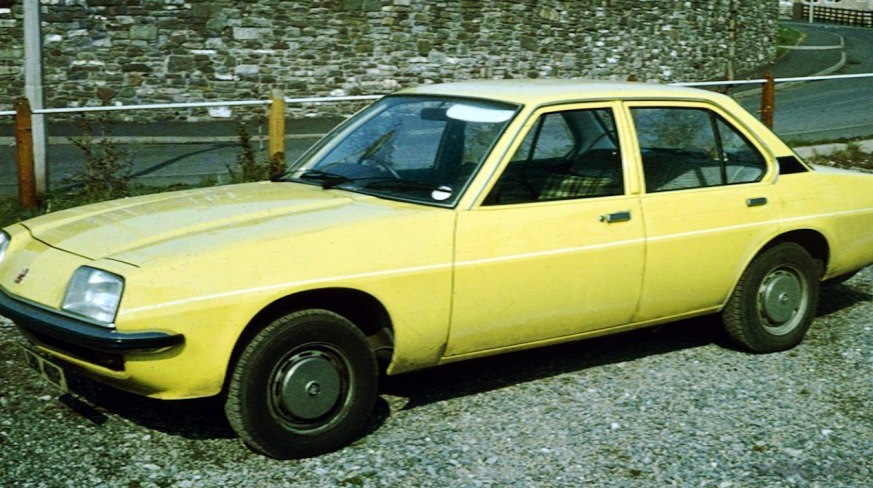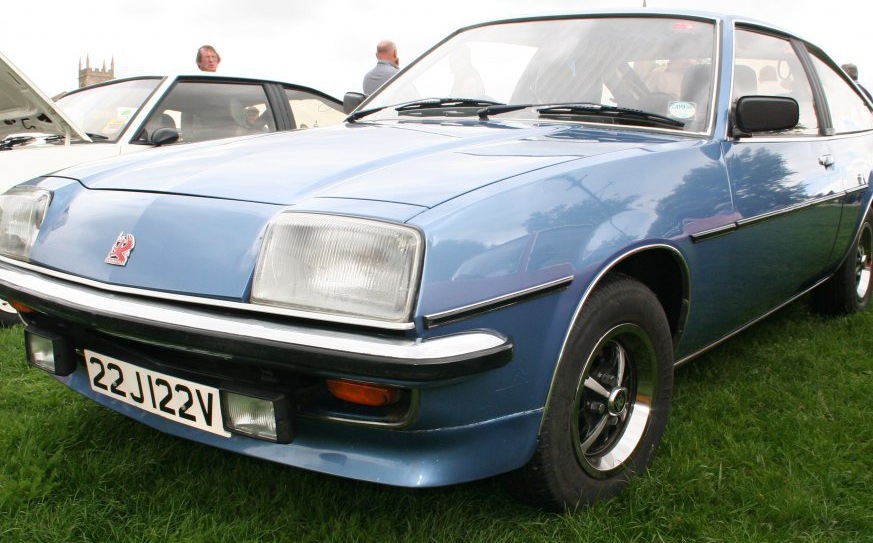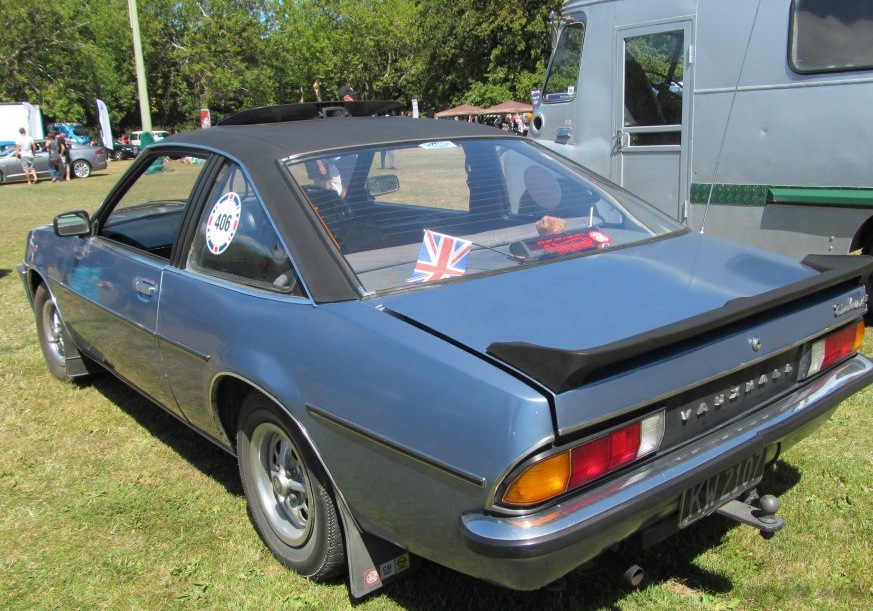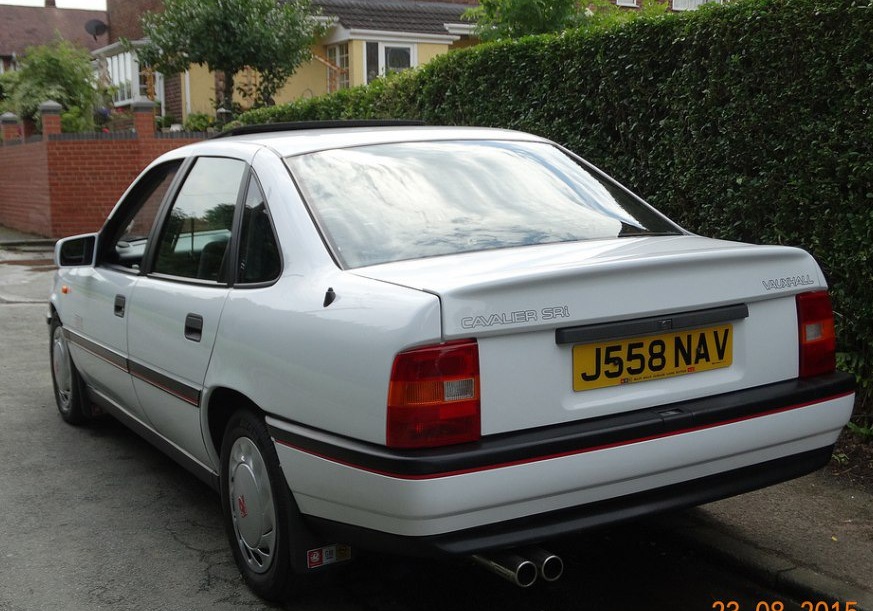
The Vauxhall Cavalier Mk III 2.0i Turbo 4×4, produced between 1993 and 1994, represented the pinnacle of performance for the Mk III Cavalier range. Positioned as the flagship model, it combined a potent turbocharged engine with a permanent all-wheel-drive system. This variant was a relatively short-lived offering, designed to showcase Vauxhall’s engineering capabilities and compete with other performance saloons of the era. It was built on the GM X platform, known internally as the 1HX0, which also underpinned models like the Opel Vectra A.
Powertrain & Engine Architecture
The heart of the 2.0i Turbo 4×4 was the C20LET engine, a 1,998 cc (121.93 cu. in.) inline-four cylinder powerplant. This engine featured a Garrett T25 turbocharger with an intercooler, boosting power output to 204 hp (152 kW) at 6000 rpm and 280 Nm (206.52 lb-ft) of torque at 3000 rpm. The engine utilized multi-port fuel injection and a double overhead camshaft (DOHC) valvetrain with four valves per cylinder. The compression ratio was set at 9:1. Engine oil capacity was 4.5 liters (4.76 US qt / 3.96 UK qt), and the recommended coolant capacity was 7.2 liters (7.61 US qt / 6.34 UK qt).
The engine was mated to a five-speed manual transmission, the only gearbox option available for this model. The all-wheel-drive system was a permanent four-wheel-drive setup, distributing power to all four wheels via a viscous coupling. This system provided enhanced traction and stability, particularly in adverse weather conditions. The drivetrain was designed to operate full-time, without driver intervention.
Engine Code Specifics
The C20LET engine code is significant as it denotes a specific iteration of the 2.0-liter 8-valve engine modified for turbocharging. Earlier versions of the 2.0-liter engine, such as the C20SE, were naturally aspirated and produced considerably less power. The LET variant incorporated strengthened internal components, including a reinforced crankshaft, connecting rods, and pistons, to handle the increased stresses associated with turbocharging. The turbocharger itself was carefully matched to the engine’s characteristics to provide a broad torque curve and responsive performance.
Driving Characteristics
The 2.0i Turbo 4×4 offered a noticeably different driving experience compared to other Cavalier Mk III variants. The turbocharger provided a surge of power in the mid-range, resulting in strong acceleration. Independent tests of the time showed a 0-60 mph time of approximately 6.5 seconds and a 0-100 km/h time of 6.8 seconds, with a top speed of 240 km/h (149.13 mph). The all-wheel-drive system enhanced grip and stability, allowing for confident cornering and improved traction on slippery surfaces. However, the added weight of the all-wheel-drive components and the turbocharger system did slightly impact fuel economy, with a combined fuel consumption of 8.8 l/100 km (26.7 US mpg / 32.1 UK mpg).
Compared to the naturally aspirated 2.0i models, the Turbo 4×4 offered a significant performance upgrade. While the standard 2.0i produced around 100 hp, the Turbo 4×4 more than doubled that figure. The difference in acceleration and overall responsiveness was substantial. Compared to the later, more common 1.8L and 2.0L non-turbo variants, the 2.0i Turbo 4×4 was in a different league, appealing to drivers seeking a more engaging and sporty driving experience.
Equipment & Trim Levels
As the range-topping model, the 2.0i Turbo 4×4 came equipped with a comprehensive list of standard features. These typically included central locking, electric windows, power steering, an upgraded stereo system, and alloy wheels. Interior upholstery was generally cloth, although leather options were sometimes available. The dashboard featured a comprehensive instrument cluster with gauges for oil pressure, water temperature, and turbo boost pressure. Optional extras could include a sunroof, air conditioning, and upgraded sound systems.
The trim level was generally consistent across the 2.0i Turbo 4×4 models, with minimal variations in standard equipment. The focus was on providing a well-equipped and sporty package that reflected the car’s performance capabilities.
Chassis & Braking
The Cavalier Mk III 2.0i Turbo 4×4 utilized an independent McPherson strut suspension setup at the front, with a coil spring and anti-roll bar. The rear suspension employed a coil spring arrangement. This suspension setup provided a good balance between ride comfort and handling. The car was equipped with ventilated disc brakes at the front and disc brakes at the rear, providing ample stopping power. An Anti-lock Braking System (ABS) was standard, enhancing safety and control during emergency braking situations.
The kerb weight of the 2.0i Turbo 4×4 was 1245 kg (2744.76 lbs), and the maximum weight was 1765 kg (3891.16 lbs). Tire size was typically 195/60 R15, mounted on 15-inch alloy wheels.
Market Reception & Comparison
The Vauxhall Cavalier Mk III 2.0i Turbo 4×4 was generally well-received by automotive critics, who praised its performance, handling, and all-wheel-drive system. However, some reviewers noted the relatively high price compared to other saloons in its class. Fuel economy was also a point of concern for some, given the car’s turbocharged engine and all-wheel-drive system. Compared to rivals like the Ford Sierra Cosworth, the Cavalier offered a more refined and comfortable driving experience, but lacked the outright performance of the Cosworth.
In terms of reliability, the C20LET engine was generally considered to be robust, but required regular maintenance to ensure optimal performance. The all-wheel-drive system was also relatively reliable, but could be expensive to repair if problems arose. The 2.0i Turbo 4×4 offered a compelling combination of performance, practicality, and equipment, making it a popular choice among enthusiasts.
Technical Specifications
| Brand | Vauxhall |
| Model | Cavalier |
| Generation | Cavalier Mk III |
| Type | 2.0i Turbo (204 Hp) 4×4 |
| Start of production | 1993 |
| End of production | 1994 |
| Engine | C20LET |
| Engine Displacement | 1998 cm3 (121.93 cu. in.) |
| Number of Cylinders | 4 |
| Engine Configuration | Inline |
| Power | 204 Hp @ 6000 rpm |
| Torque | 280 Nm @ 3000 rpm (206.52 lb.-ft. @ 3000 rpm) |
| Fuel Type | Petrol (Gasoline) |
| Fuel Consumption (Combined) | 8.8 l/100 km (26.7 US mpg / 32.1 UK mpg) |
| Acceleration 0-100 km/h | 6.8 sec |
| Acceleration 0-60 mph | 6.5 sec |
| Maximum Speed | 240 km/h (149.13 mph) |
| Kerb Weight | 1245 kg (2744.76 lbs) |
| Max. Weight | 1765 kg (3891.16 lbs) |
| Fuel Tank Capacity | 61 l (16.11 US gal / 13.42 UK gal) |
| Length | 4432 mm (174.49 in) |
| Width | 1706 mm (67.17 in) |
| Height | 1400 mm (55.12 in) |
| Wheelbase | 2600 mm (102.36 in) |
| Drivetrain | All-wheel drive (4×4) |
| Gearbox | 5 gears, manual transmission |
Legacy
The Vauxhall Cavalier Mk III 2.0i Turbo 4×4 remains a sought-after model among enthusiasts today. Its combination of performance, rarity, and distinctive styling has made it a classic of the 1990s. While the C20LET engine is generally reliable, regular maintenance is crucial to prevent issues. Parts availability can be a challenge, but a dedicated community of owners and specialists exists to support the preservation of these vehicles. The 2.0i Turbo 4×4 represents a high point in the Cavalier’s history, showcasing Vauxhall’s ability to produce a genuinely exciting and capable saloon.