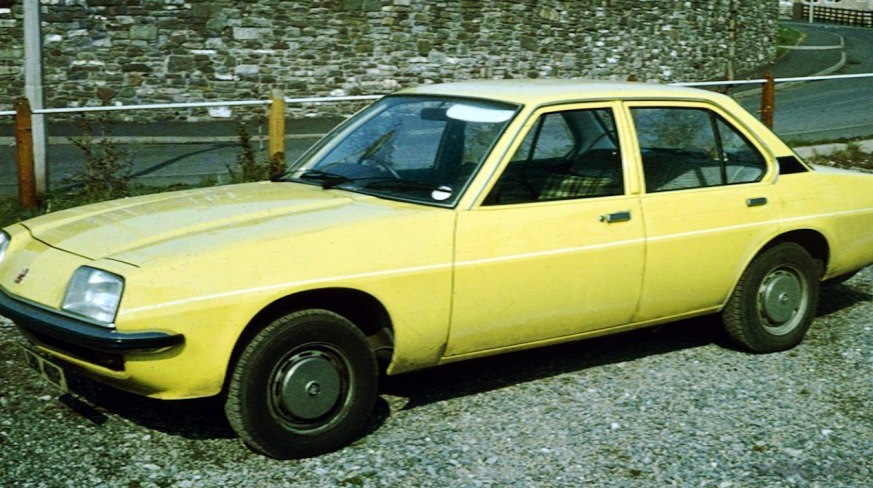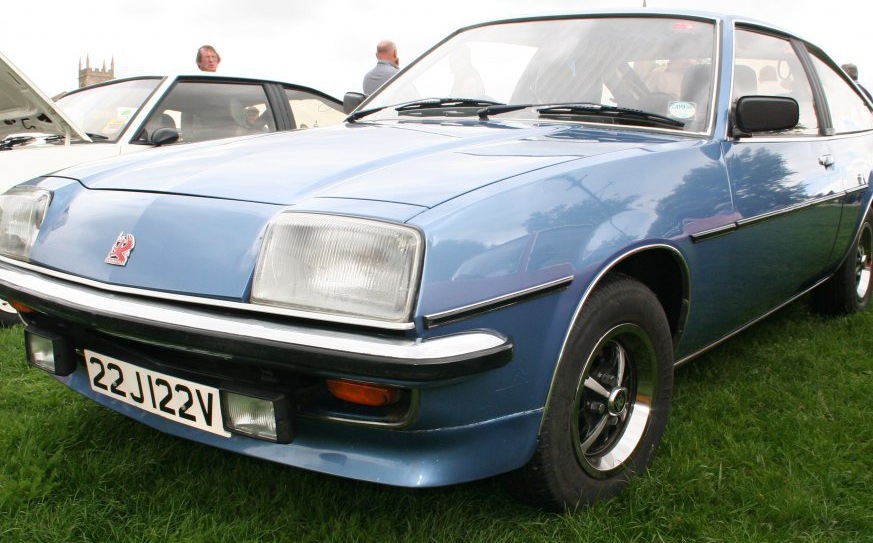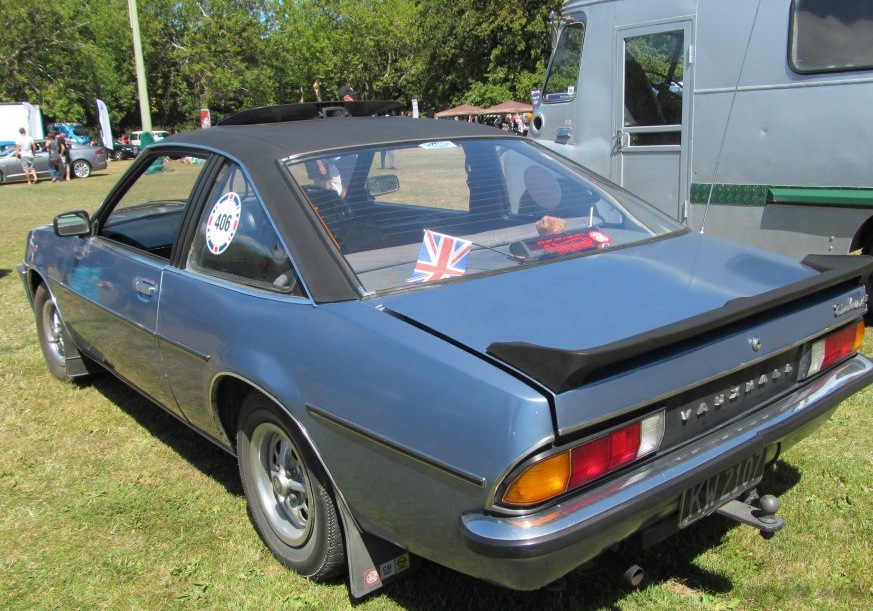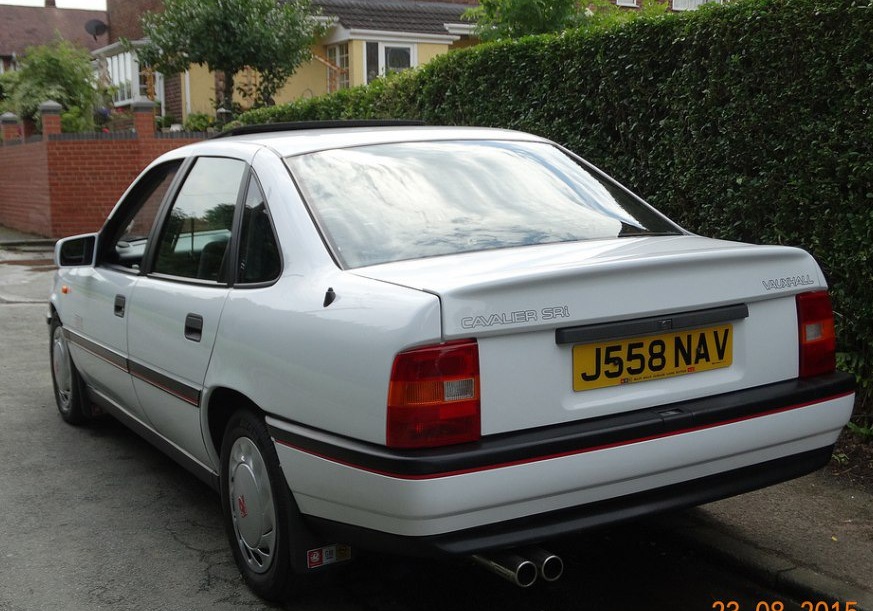
The Vauxhall Cavalier Mk III 2.5 V6 (170 hp) was a performance-oriented variant of the Mk III Cavalier, produced between 1993 and 1995. Positioned as the flagship model in the Cavalier lineup, it offered a significant step up in power and refinement compared to the more common 1.8L and 2.0L four-cylinder versions. The Mk III Cavalier, known as the Opel Vectra A in mainland Europe, represented a substantial redesign of the Cavalier, moving to the GM U platform (1HX0/A3) and offering improved aerodynamics, interior space, and overall build quality. The 2.5 V6 model aimed to provide a more premium driving experience, appealing to buyers seeking a comfortable yet capable family sedan with sporting credentials.
Powertrain & Engine Architecture
The heart of the Cavalier Mk III 2.5 V6 was the C25XE engine, a 2.5-liter, 60-degree V6. This engine was a key component of Vauxhall/Opel’s mid-range performance offerings during the early to mid-1990s. It featured a cast iron block with an aluminum cylinder head, utilizing a dual overhead camshaft (DOHC) valvetrain with four valves per cylinder. The C25XE employed multi-port fuel injection, delivering fuel directly to each intake port for optimized combustion. The engine’s displacement was 2489 cc (151.89 cubic inches), with a bore of 81.6 mm (3.21 inches) and a stroke of 79.6 mm (3.13 inches). A compression ratio of 10.8:1 contributed to its respectable power output.
While a five-speed manual transmission was standard, an optional four-speed automatic transmission was also available. This automatic, a GM 4L30-E, was chosen for its durability and smooth shifting characteristics, though it did impact acceleration slightly compared to the manual version. The automatic transmission featured electronic control for improved shift quality and efficiency. The engine produced 170 hp at 6000 rpm and 227 Nm (167.43 lb-ft) of torque at 4200 rpm. The engine required 4.5 liters (4.76 US quarts) of oil and 7.5 liters (7.93 US quarts) of coolant.
Engine Codes and Variations
The C25XE engine code is specific to this 2.5L V6 configuration. It’s important to note that while the basic engine architecture remained consistent, minor variations existed depending on the specific market and emissions regulations. These variations typically involved adjustments to the engine management system rather than fundamental changes to the engine itself.
Driving Characteristics
The Cavalier Mk III 2.5 V6 offered a noticeably more spirited driving experience than its four-cylinder counterparts. Acceleration from 0-60 mph was achieved in approximately 7.4 to 7.8 seconds, and it boasted a top speed of 144.78 mph (233 km/h). The V6 engine provided a smooth and linear power delivery, making it well-suited for both relaxed cruising and more enthusiastic driving. The automatic transmission, while offering convenience, did result in some power loss compared to the manual version. Gear ratios were optimized for a balance between acceleration and fuel economy, with the automatic transmission providing relatively quick and seamless shifts. The front-wheel-drive configuration provided good traction in most conditions, although torque steer could be noticeable under hard acceleration.
Compared to the 2.0L models, the 2.5 V6 offered a significant increase in torque, resulting in stronger acceleration in everyday driving situations. The V6 also provided a more refined and quieter engine note, enhancing the overall driving experience. However, the added weight of the V6 engine and associated components did slightly impact handling compared to the lighter four-cylinder models.
Equipment & Trim Levels
The 2.5 V6 Cavalier Mk III was typically offered in a higher trim level, often designated as ‘GSi’ or a similar premium designation depending on the market. Standard equipment included central locking, electric windows, power steering, and an upgraded audio system. Interior upholstery typically consisted of cloth or velour seats, with options for leather available. The dashboard featured a comprehensive instrument cluster with a tachometer and various warning lights. Optional extras included air conditioning, a sunroof, and alloy wheels. The GSi trim often included sport suspension, upgraded brakes, and unique exterior styling cues, such as a rear spoiler and body-colored bumpers.
Chassis & Braking
The Cavalier Mk III utilized an independent McPherson strut suspension system at the front, with a coil spring rear suspension. The 2.5 V6 models often featured a thicker anti-roll bar at the front to reduce body roll during cornering. Braking was handled by ventilated discs at the front and discs at the rear, providing adequate stopping power for the vehicle’s weight and performance. An Anti-lock Braking System (ABS) was standard equipment on the 2.5 V6, enhancing safety and control during emergency braking situations. The vehicle rode on 195/60 R15 tires mounted on 15-inch wheels.
Market Reception & Comparison
The Cavalier Mk III 2.5 V6 was generally well-received by automotive critics, who praised its smooth engine, comfortable ride, and spacious interior. However, some critics noted that the automatic transmission could feel somewhat sluggish compared to the manual version. Fuel economy was also a point of concern, with combined fuel consumption averaging around 26.7 US mpg (8.8 l/100 km). Compared to other vehicles in its class, such as the Ford Mondeo and Volkswagen Passat, the Cavalier 2.5 V6 offered a competitive level of performance and equipment at a reasonable price point. The 2.0L models offered better fuel economy, while the base 1.8L models were more affordable but lacked the performance of the V6.
Technical Specifications
| Brand | Vauxhall |
| Model | Cavalier |
| Generation | Cavalier Mk III |
| Type (Engine) | 2.5 V6 (170 Hp) |
| Start of production | 1993 |
| End of production | 1995 |
| Fuel consumption (urban) | 11.8 l/100 km (19.9 US mpg) |
| Fuel consumption (extra urban) | 7 l/100 km (33.6 US mpg) |
| Fuel consumption (combined) | 8.8 l/100 km (26.7 US mpg) |
| Fuel Type | Petrol (Gasoline) |
| Acceleration 0 – 100 km/h | 7.8 sec |
| Acceleration 0 – 62 mph | 7.8 sec |
| Acceleration 0 – 60 mph | 7.4 sec |
| Maximum speed | 233 km/h (144.78 mph) |
| Kerb Weight | 1245 kg (2744.76 lbs) |
| Max. weight | 1765 kg (3891.16 lbs) |
| Engine Displacement | 2489 cm3 (151.89 cu. in.) |
| Number of cylinders | 6 |
| Engine Model/Code | C25XE |
| Power | 170 Hp @ 6000 rpm |
| Torque | 227 Nm @ 4200 rpm (167.43 lb.-ft. @ 4200 rpm) |
| Fuel tank capacity | 61 l (16.11 US gal) |
| Length | 4432 mm (174.49 in) |
| Width | 1706 mm (67.17 in) |
| Height | 1400 mm (55.12 in) |
Legacy
The C25XE engine, found in the Cavalier Mk III 2.5 V6, has proven to be a relatively reliable powertrain when properly maintained. Common issues include oil leaks from the rear main seal and occasional problems with the throttle body. However, the engine is generally considered durable and capable of high mileage. Today, the Cavalier Mk III 2.5 V6 is a sought-after classic car, particularly among enthusiasts who appreciate its performance and styling. Values have been steadily increasing in recent years, especially for well-maintained examples with low mileage. The availability of spare parts is generally good, although some specific trim pieces may be difficult to find. The combination of a smooth V6 engine, comfortable interior, and relatively affordable price makes the Cavalier Mk III 2.5 V6 a compelling option for classic car buyers.