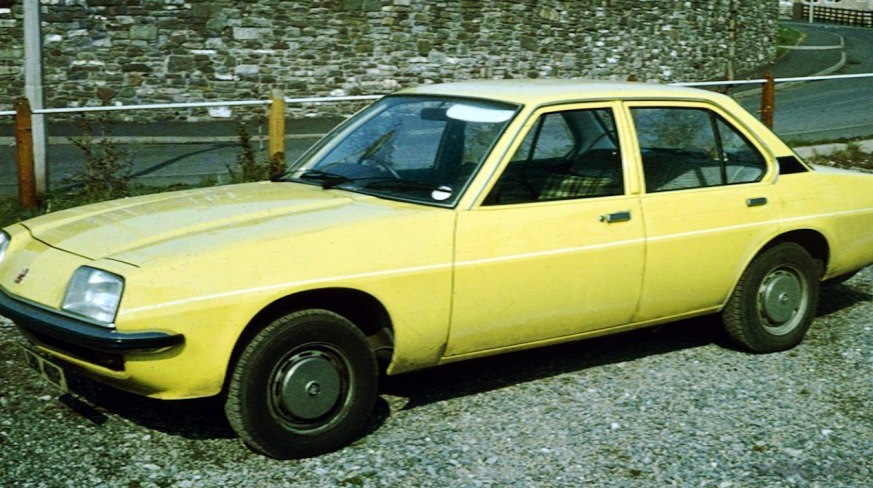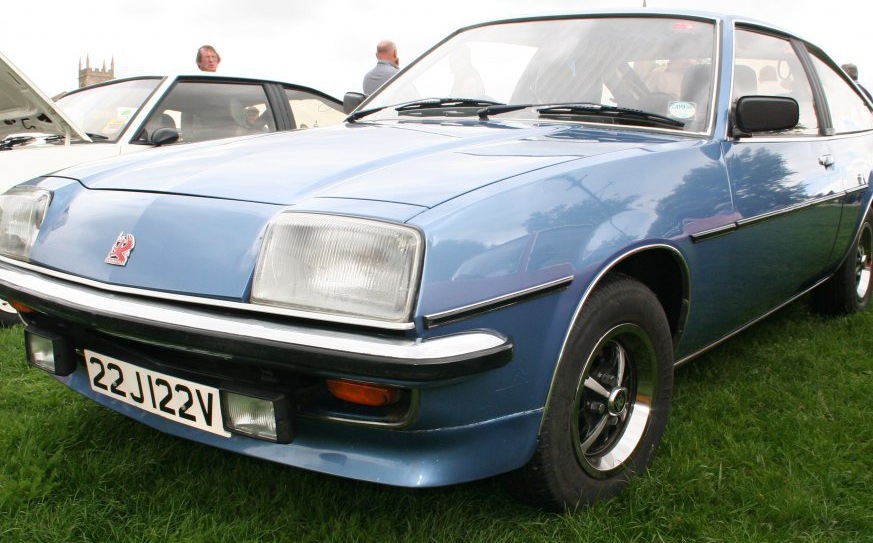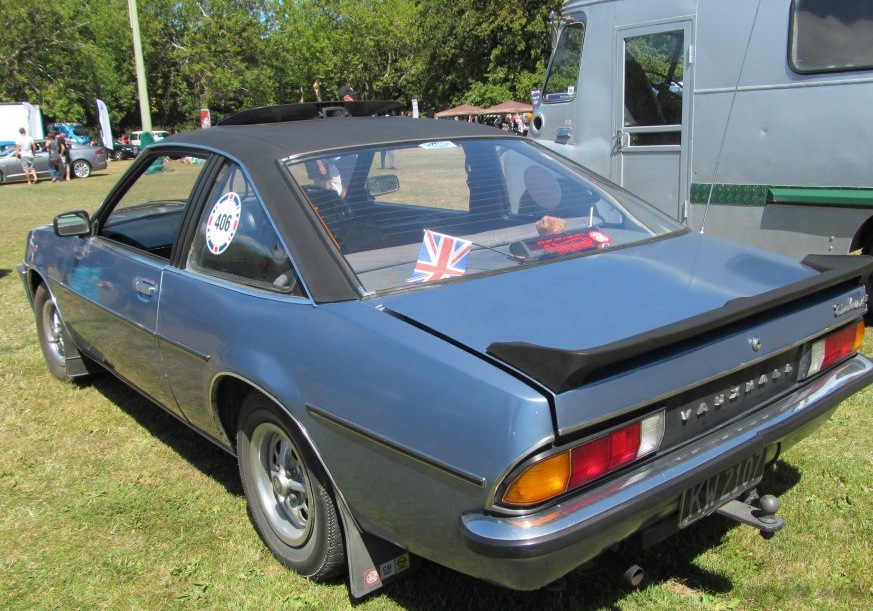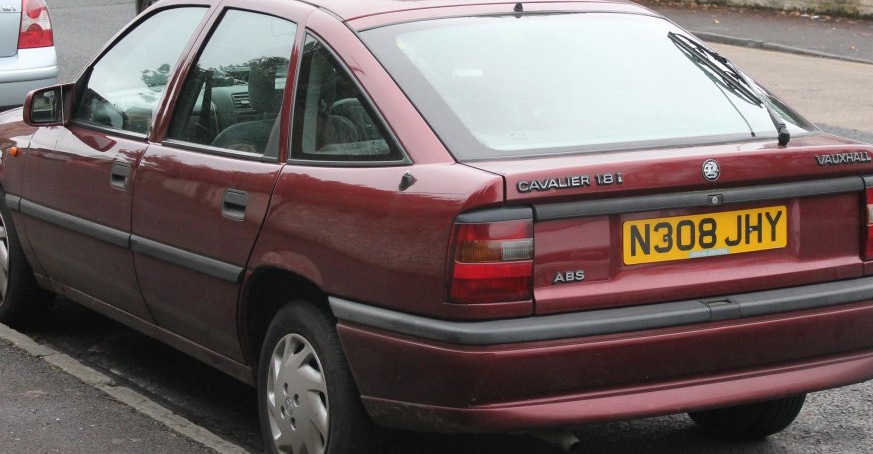
The Vauxhall Cavalier Mk III CC 1.4, produced between 1988 and 1992, represented the entry point into the third generation of the popular Cavalier model. Part of the CC (Coupe/Cavalier) range, this variant was a five-door hatchback designed to offer affordable family transportation. It was built on the GM X platform, known internally as the 1HX0, which was also shared with other Opel and Vauxhall models like the Ascona and Manta. The 1.4-liter engine and five-speed manual transmission combination positioned this Cavalier as a value-oriented option, appealing to buyers prioritizing economy and practicality over outright performance. It served as a stepping stone to the more powerful and better-equipped trims within the Mk III lineup.
Powertrain & Engine Architecture
The heart of the Cavalier Mk III CC 1.4 was the 14NV engine, a 1389cc inline-four cylinder gasoline engine. This engine featured a single overhead camshaft (OHC) valvetrain with two valves per cylinder. Unlike later iterations of the Cavalier, the 1.4 utilized a carburetor for fuel delivery, specifically a Solex 32 PDSI. This carburetor system, while simple and reliable, was less efficient and offered less precise fuel control compared to the fuel injection systems found in higher-spec Cavalier models. The engine produced 75 horsepower at 5600 rpm and 108 Nm (79.66 lb-ft) of torque at 3000 rpm. The compression ratio was set at 9.4:1. Engine oil capacity was 3 liters (3.17 US quarts), and coolant capacity was 5.6 liters (5.92 US quarts). The engine was transversely mounted in the front of the vehicle, driving the front wheels.
Transmission
The standard transmission for the 1.4-liter Cavalier was a five-speed manual gearbox. This transmission was chosen to maximize fuel efficiency and provide adequate performance for the engine’s output. The gear ratios were geared towards economy, with a relatively tall final drive. An automatic transmission was not offered with the 1.4L engine.
Driving Characteristics
The driving experience in the Cavalier Mk III CC 1.4 was characterized by its focus on practicality and fuel economy. Acceleration was modest, taking approximately 14 seconds to reach 100 km/h (62 mph) and 13.3 seconds to reach 60 mph. The carburetor-fed engine delivered power in a linear fashion, but lacked the responsiveness of fuel-injected engines. The five-speed manual transmission allowed drivers to keep the engine in its optimal power band, but required frequent shifting during acceleration. Top speed was rated at 176 km/h (109.36 mph). The car felt light and nimble, but the suspension was tuned for comfort rather than sporty handling. Compared to the 1.6-liter and 2.0-liter versions of the Cavalier, the 1.4 felt noticeably slower, particularly when fully loaded with passengers and cargo. The 1.4 was often chosen by drivers who prioritized fuel efficiency and lower running costs over performance.
Equipment & Trim Levels
The 1.4-liter Cavalier Mk III CC was typically offered in a base trim level, focusing on essential features. Standard equipment included cloth upholstery, a basic dashboard layout with analog gauges, and manual windows and door locks. The interior was functional and durable, but lacked the refinement of higher-spec models. Optional extras included a sunroof, upgraded stereo system, and central locking. The exterior featured steel wheels with hubcaps, black plastic trim, and relatively simple body styling. The interior color schemes were typically muted, with options for grey or blue cloth upholstery. The overall impression was one of affordability and practicality.
Chassis & Braking
The Cavalier Mk III CC 1.4 utilized an independent McPherson strut suspension system at the front, with a coil spring and anti-roll bar. The rear suspension employed a simple coil spring setup. This suspension configuration provided a comfortable ride, but wasn’t particularly sporty. The front brakes were disc brakes, while the rear brakes were drum brakes. This combination was typical for vehicles in this price range during the late 1980s and early 1990s. The steering system was a rack and pinion setup, providing reasonably precise steering feel. The standard tire size was 175/70 R14, mounted on 14-inch steel wheels. The kerb weight of the vehicle was 1005 kg (2215.65 lbs), contributing to its relatively nimble handling.
Market Reception & Comparison
The Cavalier Mk III CC 1.4 was generally well-received as an affordable and practical family car. Critics praised its fuel economy and reliability, but noted its lack of performance compared to higher-spec models. Fuel consumption figures were around 9.2 l/100 km (25.6 US mpg) in urban conditions, 5 l/100 km (47 US mpg) on the extra-urban cycle, and 6.3 l/100 km (37.3 US mpg) combined. Compared to the 1.6-liter Cavalier, the 1.4 offered better fuel economy but significantly less power. The 2.0-liter models provided a substantial performance upgrade, but at a higher price point. The 1.4 appealed to buyers who prioritized economy and practicality, while the higher-spec models attracted those seeking more performance and features. The 1.4 was often seen as a sensible choice for first-time car buyers or those on a tight budget.
Technical Specifications
| Brand | Vauxhall |
| Model | Cavalier |
| Generation | Cavalier Mk III CC |
| Type (Engine) | 1.4 (75 Hp) |
| Start of production | 1988 |
| End of production | 1992 |
| Body type | Hatchback |
| Seats | 5 |
| Doors | 5 |
| Fuel consumption (urban) | 9.2 l/100 km (25.6 US mpg) |
| Fuel consumption (extra urban) | 5 l/100 km (47 US mpg) |
| Fuel consumption (combined) | 6.3 l/100 km (37.3 US mpg) |
| Fuel Type | Petrol (Gasoline) |
| Acceleration 0 – 100 km/h | 14 sec |
| Acceleration 0 – 62 mph | 14 sec |
| Acceleration 0 – 60 mph | 13.3 sec |
| Maximum speed | 176 km/h (109.36 mph) |
| Weight-to-power ratio | 13.4 kg/Hp |
| Power | 75 Hp @ 5600 rpm |
| Torque | 108 Nm @ 3000 rpm (79.66 lb.-ft. @ 3000 rpm) |
| Engine layout | Front, Transverse |
| Engine Model/Code | 14NV |
| Engine displacement | 1389 cm3 (84.76 cu. in.) |
| Number of cylinders | 4 |
| Engine configuration | Inline |
| Cylinder Bore | 77.6 mm (3.06 in.) |
| Piston Stroke | 73.4 mm (2.89 in.) |
| Compression ratio | 9.4:1 |
| Number of valves per cylinder | 2 |
| Fuel injection system | Carburettor |
| Engine aspiration | Naturally aspirated |
| Engine oil capacity | 3 l (3.17 US qt | 2.64 UK qt) |
| Coolant capacity | 5.6 l (5.92 US qt | 4.93 UK qt) |
| Kerb Weight | 1005 kg (2215.65 lbs.) |
| Max. weight | 1530 kg (3373.07 lbs.) |
| Max load | 525 kg (1157.43 lbs.) |
| Trunk (boot) space – minimum | 460 l (16.24 cu. ft.) |
| Trunk (boot) space – maximum | 1290 l (45.56 cu. ft.) |
| Fuel tank capacity | 61 l (16.11 US gal | 13.42 UK gal) |
| Length | 4352 mm (171.34 in.) |
| Width | 1706 mm (67.17 in.) |
| Height | 1400 mm (55.12 in.) |
| Wheelbase | 2600 mm (102.36 in.) |
| Number of gears and type of gearbox | 5 gears, manual transmission |
Legacy
The Cavalier Mk III CC 1.4, while not the most powerful or desirable version of the model, remains a relatively common sight on UK roads today, albeit often in a restored or preserved condition. The 14NV engine is known for its durability and relative simplicity, making it relatively easy to maintain. However, carburetor-related issues can arise with age, requiring periodic cleaning and adjustment. Parts availability is generally good, as many components were shared with other Opel and Vauxhall models. In the used car market, the 1.4-liter Cavalier is typically valued as an affordable classic, appealing to enthusiasts seeking a nostalgic driving experience or a project car. Its fuel efficiency and low running costs continue to be attractive features for budget-conscious buyers.