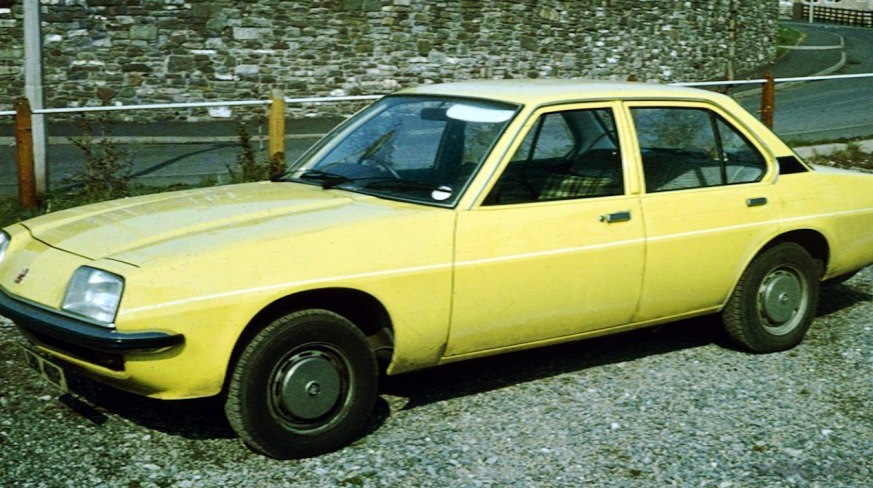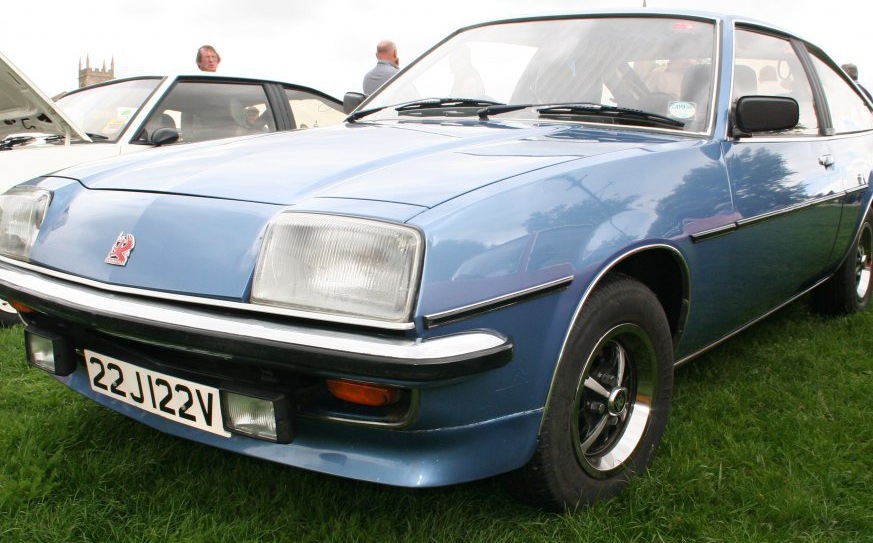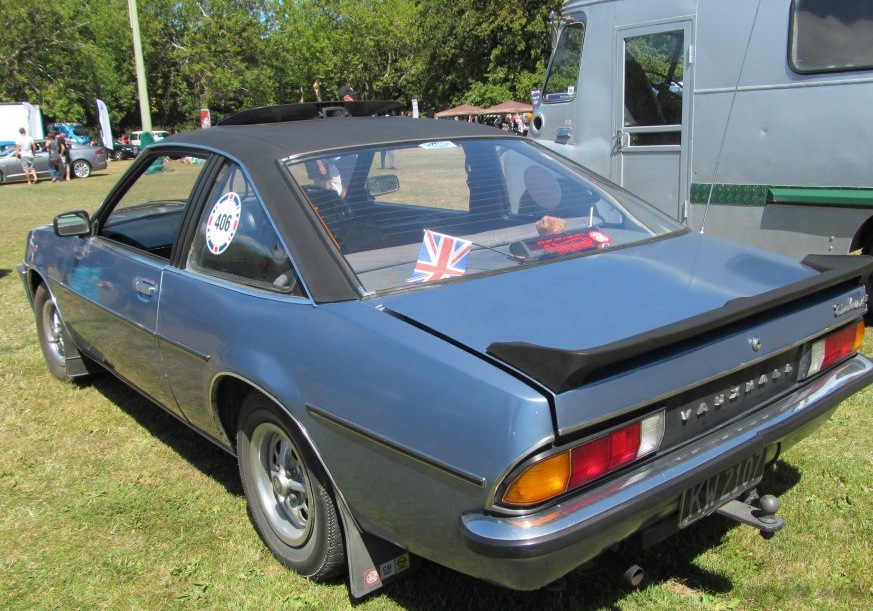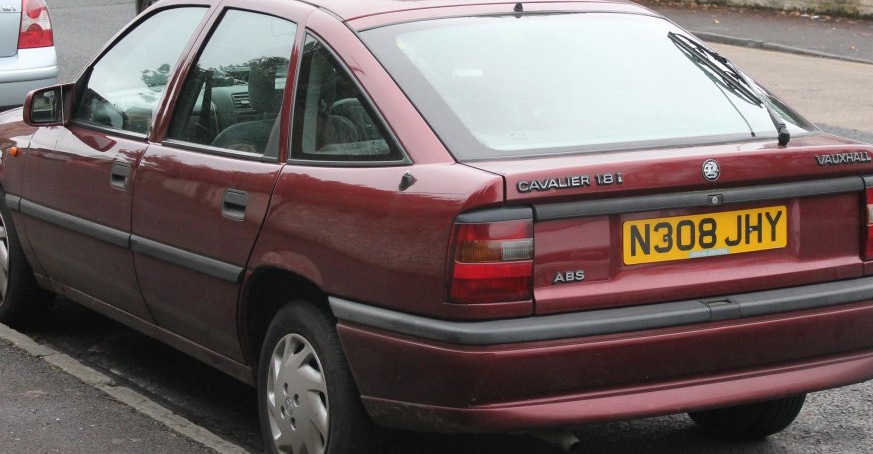
The Vauxhall Cavalier Mk III CC 1.6, producing 82 horsepower, was a mainstay of the British automotive market from 1988 to 1992. This variant occupied the entry-level position within the Mk III Cavalier range, serving as an affordable and practical family car. It was part of the broader Cavalier Mk III (CC) generation, internally designated as the 1HX0, which represented a significant redesign over its predecessor and shared its platform with the Opel Vectra A, reflecting General Motors’ (GM) European consolidation efforts. The “CC” designation stood for “Coupé Convenience,” referring to the five-door hatchback body style.
Powertrain & Engine Architecture
The heart of the Cavalier Mk III 1.6 was the 16SV engine, a 1.6-liter (1598 cc) inline-four cylinder petrol engine. This engine produced 82 hp (61 kW) at 5200 rpm and 130 Nm (95.88 lb-ft) of torque at 2600 rpm. The engine featured a single overhead camshaft (SOHC) valvetrain with two valves per cylinder. Critically, this specific trim level utilized a carburetor for fuel delivery, a cost-saving measure compared to the fuel injection systems found in higher-spec models. The compression ratio was 9.2:1. Engine oil capacity was 3.5 liters (3.7 US quarts), and coolant capacity was 5.8 liters (6.13 US quarts). The engine was transversely mounted in the front of the vehicle.
Transmission
While a five-speed manual transmission was standard, the focus of this article is the variant equipped with a three-speed automatic transmission. This automatic was a GM-sourced unit, known for its relatively simple design and durability, though it wasn’t particularly sophisticated. The automatic transmission contributed to a more relaxed driving experience, appealing to buyers prioritizing convenience over performance. The gear ratios were optimized for fuel economy and smooth cruising rather than rapid acceleration.
Driving Characteristics
The 1.6L automatic Cavalier offered a comfortable, if uninspiring, driving experience. Acceleration from 0 to 60 mph took approximately 13.3 seconds, and 0-100 km/h was achieved in 14 seconds. Top speed was around 110.6 mph (178 km/h). The automatic transmission dulled the engine’s performance somewhat, making it noticeably slower than the manual transmission versions. The power delivery was linear but lacked the punch of the larger-displacement engines available in the Cavalier range. The automatic’s shift points were programmed for economy, meaning the engine often felt strained during overtaking maneuvers. However, for everyday commuting and general driving, the 1.6L automatic provided adequate performance.
Equipment & Trim Levels
The 1.6L Cavalier, particularly in its automatic guise, was typically offered in base or LS trim levels. Standard equipment generally included central locking, electric front windows, and a basic stereo system. Interior upholstery was typically cloth, with a durable but unremarkable finish. The dashboard layout was functional and straightforward, prioritizing usability over aesthetics. Optional extras included a sunroof, upgraded stereo systems, and alloy wheels. Air conditioning was a relatively rare option on this trim level. The LS trim added features like a better stereo, upgraded interior trim, and sometimes, alloy wheels.
Chassis & Braking
The Cavalier Mk III utilized an independent McPherson strut suspension at the front, providing a reasonable level of ride comfort and handling. The rear suspension employed a coil spring setup. The front brakes were discs, offering adequate stopping power, while the rear brakes were drums, a cost-saving measure common on entry-level models. Anti-lock braking system (ABS) was available as an option, but not standard on the base 1.6L trim. The steering was rack and pinion, providing reasonably precise control. Tire size was typically 175/70 R14, mounted on 14-inch steel wheels, although alloy wheels were available as an upgrade.
Market Reception & Comparison
The 1.6L automatic Cavalier was viewed as a sensible and practical choice for families and commuters. Critics generally praised its affordability and fuel economy (around 34.6 US mpg combined), but noted its lack of performance compared to higher-spec models like the 2.0L or the turbocharged versions. Compared to the 1.8L and 2.0L variants, the 1.6L offered lower running costs but sacrificed acceleration and overall driving enjoyment. The 1.9 TDI diesel version, introduced later in the Mk III’s lifespan, provided even better fuel economy but with a different driving character. The automatic transmission, while convenient, was often criticized for its sluggishness and impact on fuel consumption. The Cavalier competed directly with rivals like the Ford Sierra, Austin Montego, and Citroën BX.
Technical Specifications
| Engine Displacement | 1598 cm3 (97.52 cu. in.) |
| Engine Type | Inline-4, Petrol (Gasoline) |
| Power Output | 82 hp @ 5200 rpm |
| Torque | 130 Nm @ 2600 rpm (95.88 lb.-ft. @ 2600 rpm) |
| Fuel Injection | Carburettor |
| Compression Ratio | 9.2:1 |
| Transmission | 3-speed Automatic |
| Drive Type | Front Wheel Drive |
| Kerb Weight | 1035 kg (2281.78 lbs.) |
| Maximum Weight | 1550 kg (3417.17 lbs.) |
| Fuel Consumption (Urban) | 8.9 l/100 km (26.4 US mpg) |
| Fuel Consumption (Extra Urban) | 5.2 l/100 km (45.2 US mpg) |
| Fuel Consumption (Combined) | 6.8 l/100 km (34.6 US mpg) |
| 0-60 mph | 13.3 sec |
| 0-100 km/h | 14 sec |
| Top Speed | 178 km/h (110.6 mph) |
| Fuel Tank Capacity | 61 l (16.11 US gal) |
| Length | 4352 mm (171.34 in.) |
| Width | 1706 mm (67.17 in.) |
| Height | 1400 mm (55.12 in.) |
Legacy
The 1.6L automatic Cavalier Mk III, while not the most exciting variant in the range, proved to be a reliable and affordable option for many buyers. The engine itself, while simple, was generally durable, and the automatic transmission, though not particularly refined, was known for its longevity. Today, these cars are relatively rare, and well-maintained examples are sought after by enthusiasts and collectors. Rust is a common issue with these vehicles, so finding a rust-free example is crucial. Parts availability is generally good, as many components were shared with other GM models. The 1.6L automatic Cavalier represents a snapshot of 1980s/early 1990s British motoring – a practical, affordable, and generally dependable family car.