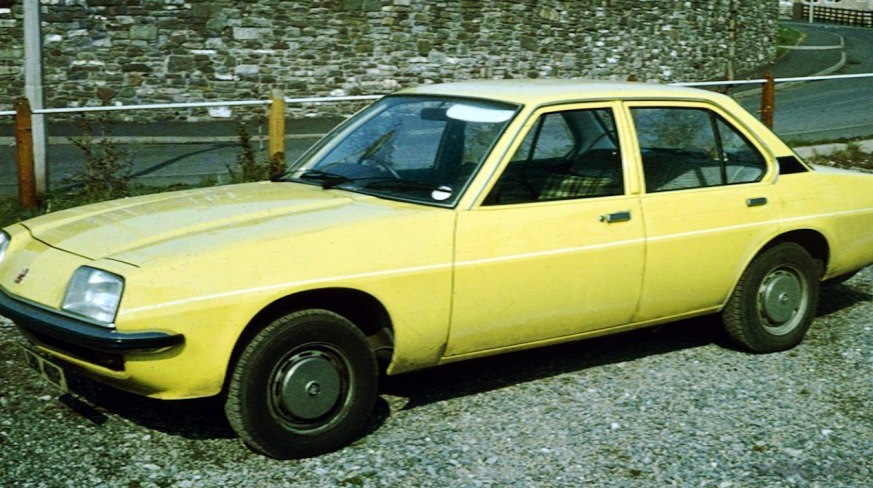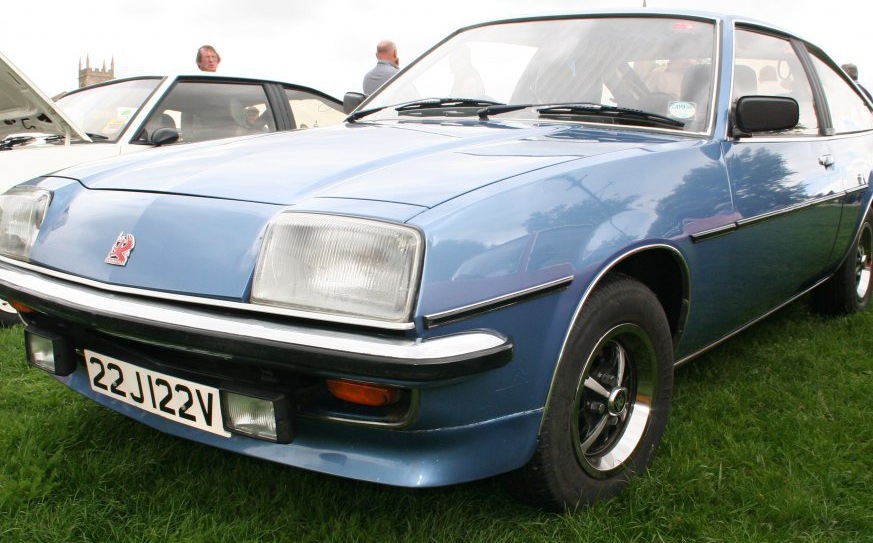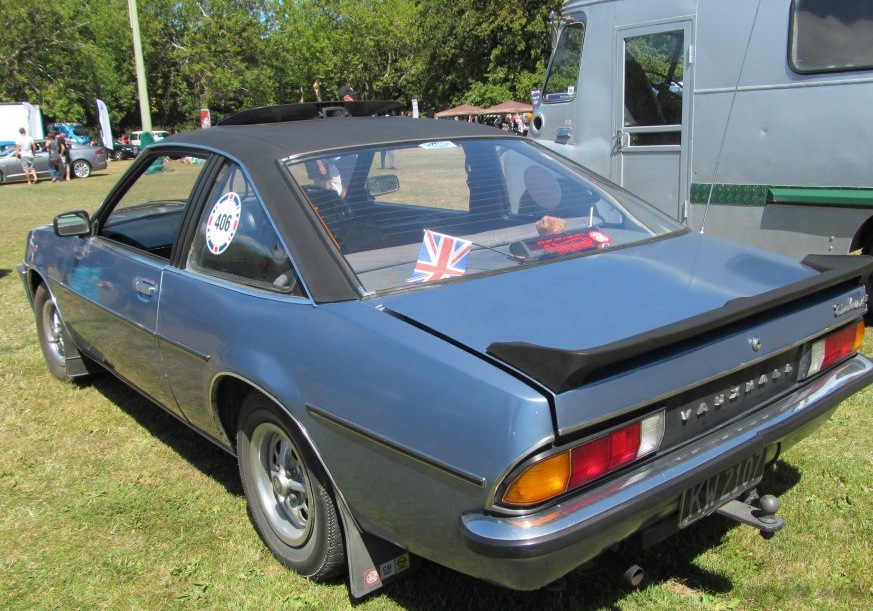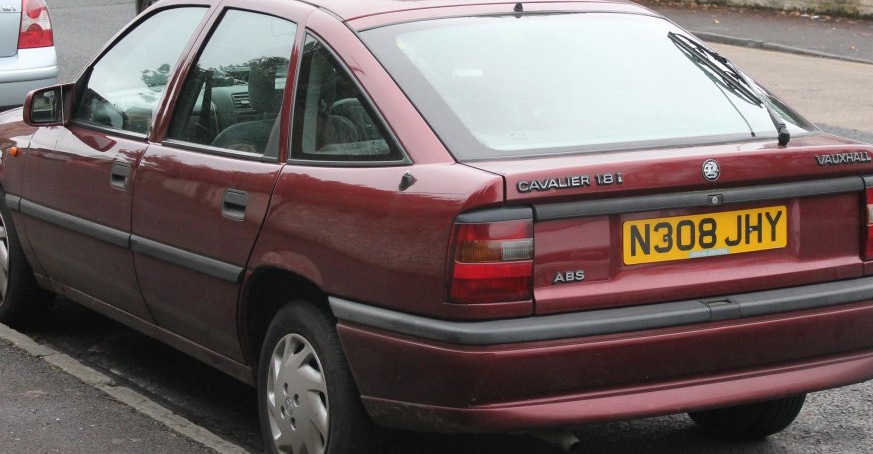
The Vauxhall Cavalier Mk III CC 1.6i, produced between 1993 and 1995, represented the entry-level offering within the Mk III Cavalier range, designated as the CC (Coupe/Cavalier) body style. This variant, powered by the X16SZ engine producing 71 horsepower, served as a practical and affordable option for buyers seeking a spacious family hatchback. It occupied the lower end of the spectrum within the Mk III lineup, which also included more powerful 1.8L and 2.0L variants, as well as diesel options. The Mk III Cavalier, built on the GM41 platform, was a significant model for Vauxhall, aiming to provide a competitive package in the increasingly popular mid-size family car segment.
Powertrain & Engine Architecture
The heart of the Cavalier Mk III CC 1.6i was the X16SZ engine, a 1.6-liter inline-four cylinder petrol engine. This engine featured a naturally aspirated configuration and a compression ratio of 10:1. The X16SZ was a relatively simple design, utilizing a single overhead camshaft (SOHC) valvetrain with two valves per cylinder. Fuel delivery was managed by a Bosch Mono-Jetronic fuel injection system, a single-point injection system that was common for engines of this era. While not as sophisticated as multi-point injection, Mono-Jetronic provided a balance between cost-effectiveness and improved fuel efficiency compared to carbureted systems.
The engine’s output of 71 horsepower (hp) and corresponding torque figures were modest, prioritizing fuel economy and reliability over outright performance. The engine was paired exclusively with a four-speed automatic transmission, offering convenience but at the expense of some responsiveness. This automatic transmission was a GM-sourced unit, known for its durability but also for its relatively slow shift times compared to more modern automatics. The drivetrain configuration was front-wheel drive, standard for the Mk III Cavalier range.
Engine Specifications
The X16SZ engine required 3 liters (3.17 US quarts, 2.64 UK quarts) of engine oil, adhering to manufacturer-specified oil standards. The cooling system held 5.5 liters (5.81 US quarts, 4.84 UK quarts) of coolant. These maintenance requirements were typical for engines of this displacement and complexity during the early 1990s.
Driving Characteristics
The driving experience in the Cavalier Mk III CC 1.6i with the automatic transmission was characterized by smooth, but unhurried acceleration. The 71 hp output meant that overtaking maneuvers required careful planning, and the engine felt strained when climbing hills or carrying a full load of passengers. The four-speed automatic transmission, while providing ease of use, contributed to a less engaging driving experience compared to the five-speed manual transmission available on higher-spec models. Gear ratios were optimized for fuel efficiency rather than performance, resulting in a noticeable delay during kickdown. Compared to the 1.8L and 2.0L variants, the 1.6i automatic felt significantly slower, with a 0-60 mph time estimated to be around 14-15 seconds. However, for drivers prioritizing comfort and ease of driving, the 1.6i automatic offered a perfectly adequate experience for everyday commuting and family transportation.
Equipment & Trim Levels
The 1.6i variant of the Cavalier Mk III CC typically represented the base trim level. Standard equipment included central locking, power steering, and an adjustable steering column. Interior upholstery was typically cloth, with a relatively simple dashboard layout. Options available to buyers included electric front windows, a sunroof, and an upgraded stereo system. Air conditioning was also available as an option, though it was not standard equipment. The overall interior ambiance was functional and durable, reflecting the car’s positioning as an affordable family vehicle. The exterior styling was consistent across the Mk III range, with minor differences in trim details depending on the specific trim level.
Chassis & Braking
The Cavalier Mk III CC featured a MacPherson strut front suspension and a twist-beam rear suspension. This suspension setup provided a comfortable ride quality, although it wasn’t particularly sporty. The front brakes were disc brakes, while the rear brakes were drum brakes – a cost-saving measure common on base models. The steering was rack and pinion, providing reasonably precise steering feel. Stabilizer bars were fitted to both the front and rear axles, helping to reduce body roll during cornering. The chassis was designed to provide a balance between comfort, handling, and affordability, prioritizing practicality over outright performance.
Market Reception & Comparison
The Cavalier Mk III CC 1.6i was generally well-received as a practical and affordable family car. Critics acknowledged its spacious interior, comfortable ride, and reasonable fuel economy. However, the 1.6i engine was often criticized for its lack of power, particularly when paired with the automatic transmission. Compared to the 1.8L and 2.0L variants, the 1.6i offered significantly less performance, but it also came with a lower price tag. Fuel economy was a strong point for the 1.6i, typically achieving around 30-35 mpg on the combined cycle. Reliability was generally good, although the Mono-Jetronic fuel injection system could occasionally require maintenance. In terms of competition, the Cavalier Mk III CC 1.6i competed with other mid-size family cars such as the Ford Mondeo, Citroën Xantia, and Renault Laguna.
Technical Specifications
| Body Type | Hatchback, 5 Doors, 5 Seats |
| Engine Model/Code | X16SZ |
| Engine Capacity | 1.6 Liters |
| Power Output | 71 Hp |
| Compression Ratio | 10:1 |
| Fuel Type | Petrol (Gasoline) |
| Fuel Tank Capacity | 61 Liters (16.11 US gal, 13.42 UK gal) |
| Length | 4352 mm (171.34 in) |
| Width | 1706 mm (67.17 in) |
| Height | 1400 mm (55.12 in) |
| Wheelbase | 2600 mm (102.36 in) |
| Trunk (Boot) Space (Minimum) | 460 Liters (16.24 cu ft) |
| Trunk (Boot) Space (Maximum) | 1290 Liters (45.56 cu ft) |
| Engine Oil Capacity | 3 Liters (3.17 US qt, 2.64 UK qt) |
| Coolant Capacity | 5.5 Liters (5.81 US qt, 4.84 UK qt) |
| Drivetrain | Front Wheel Drive |
Legacy
The Cavalier Mk III CC 1.6i, while not the most powerful or exciting variant in the range, remains a relatively common sight on UK roads today. The X16SZ engine is known for its durability, and with regular maintenance, it can provide reliable service for many years. However, age-related issues such as corrosion and wear and tear on suspension components are common. In the used car market, the 1.6i automatic typically commands a lower price than the higher-spec models, making it an affordable option for buyers seeking a classic 1990s family car. Parts availability is generally good, although some trim-specific components may be difficult to find. The Cavalier Mk III CC 1.6i represents a practical and affordable entry point into the world of classic Vauxhall ownership, offering a nostalgic driving experience and a spacious interior.